Shinto and Taoist: spices in ritual
Incense, ginger and pepper in ritual, offerings and the cooking of temples.
In Shinto and Taoist practice, fragrance, salt, ginger, cinnamon and incense are used in purification, offerings and seasonal food, within the teachings of each tradition.
Shinto
Salt is used in Shinto purification, scattered at shrine entrances and at sumo rings, and incense is less central than in Buddhism. Offerings of rice, sake, salt and seasonal foods are placed before the kami. Shichimi and sansho appear in everyday Japanese food, and Japanese new year foods have symbolic meanings.
Taoist practice
Taoist temples burn incense, often sandalwood, cassia and herbs, and offer fruit and tea. Chinese tradition, including folk Taoism, links foods with balance, and cassia, ginger and star anise appear in festive dishes.
Seasonal customs
On the Double Ninth Festival and Lunar New Year, families eat seasonal dishes. Ginger and cinnamon are used in some festive soups and drinks in the traditions that keep them.
Shinto and Taoist on EveryMasala
The spices written up so far, best known first.
 🇬🇷 Greece and 4 moreThyme
The dried leaves of a Mediterranean mint-family herb, used to perfume stews and baths alike.Leaf · Earthy and deep · Warm and sweet-spiced
🇬🇷 Greece and 4 moreThyme
The dried leaves of a Mediterranean mint-family herb, used to perfume stews and baths alike.Leaf · Earthy and deep · Warm and sweet-spiced
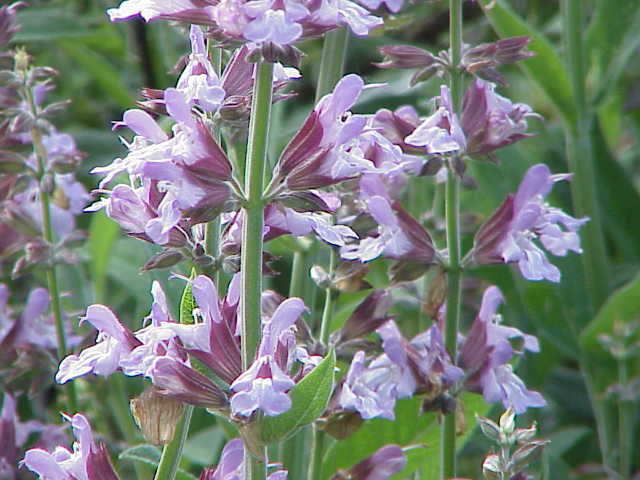 🇮🇹 Italy and 2 moreCommon sage
The gray-green leaves of a Mediterranean perennial used in European roasts and traditional remedies.Leaf · Herbal and green
🇮🇹 Italy and 2 moreCommon sage
The gray-green leaves of a Mediterranean perennial used in European roasts and traditional remedies.Leaf · Herbal and green
Photo credits on this page
The small pictures above come from Wikimedia Commons under free licences. Some are cropped to fit.
- Common sage: Kurt Stüber [1], CC BY-SA 3.0, source
- Thyme: Evan-Amos, CC0, source