🇮🇷 The spices of Iran
11 spices from Iran, best known first, across 4 cities, markets and growing areas.
Iranian cooking centers on rice and bread, seasoned with saffron, dried lime, and fresh herbs. Fruits add sweetness and sourness to stews and rice dishes, creating a balance of flavors unique to the region.
- Saffron and dried lime are signature flavorings in Iranian stews and rice.
- Fruit dolma stuffs cooked fruits with spiced meat and simmers them.
- Advieh is a common spice blend containing cinnamon, cardamom, and rose.
- Kebabs are often served with chelow white rice as the national dish.
- Verjuice from unripe grapes adds acidity to soups and squash dishes.
Spice in Iran
This cuisine spans many ethnic groups, though Western names often use 'Persian'. It shares roots with neighbors like Turkish and Central Asian food, while also influencing Indian and Pakistani dishes through historical empires. The table typically features rice or wheat bread alongside meat, vegetable, and fruit combinations. Ancient medical beliefs about food properties still subtly guide preparation. Dishes range from simple daily meals to elaborate court recipes recorded in Safavid era cookbooks. The style emphasizes harmony between savory meats and sweet or tart fruit elements, using both fresh greens and dried preserves.
The spices of the kitchen
Saffron provides a distinct floral aroma and golden color. Dried lime adds a deep, sharp sourness to stews. Cardamom offers a sweet, camphor-like scent. Rose water is used for fragrance in sweets and some savory dishes. Persian hogweed gives a bitter, anise-like note to lamb. Shevid (dill) and fenugreek appear in various herb mixes. Cinnamon and turmeric are common warm spices. Fresh parsley, mint, chives, and coriander are essential green seasonings.
Blends and pastes
Advieh is a general spice mix used to flavor rice and stews. It typically contains cinnamon, cardamom, rose petals, and dried lime powder. Arde is a paste made from toasted sesame seeds, similar to tahini. Delal sauce consists of heavily salted fresh herbs like cilantro and parsley, used as a condiment. These blends allow cooks to layer complex flavors without adding individual spices one by one during every step.
Today
Iranian food is available globally in cities with large diaspora populations such as Los Angeles, London, and Toronto. Modern kitchens adapt traditional recipes for contemporary tastes. Trade continues to bring saffron and other spices worldwide. Protected geographical indications help preserve regional identities. Migration has spread these flavors, leading to fusion adaptations in international restaurants. Digital platforms share historical cookbook knowledge with new generations.
The facts in this overview come from the Wikipedia article "Iranian cuisine", written by its contributors and used under the CC BY-SA 4.0 licence. EveryMasala rewrote the text in its own words, with AI assistance, and compares every page with the article to make sure no passage is copied. It may be reused under the same CC BY-SA 4.0 licence with a link back.
 🇦🇫 Afghanistan and 5 moreLovageлюбисток
A tall European herb with celery-like leaves and spicy seeds used in soups and broths.Leaf · Sharp and pungent · Herbal and green
🇦🇫 Afghanistan and 5 moreLovageлюбисток
A tall European herb with celery-like leaves and spicy seeds used in soups and broths.Leaf · Sharp and pungent · Herbal and green
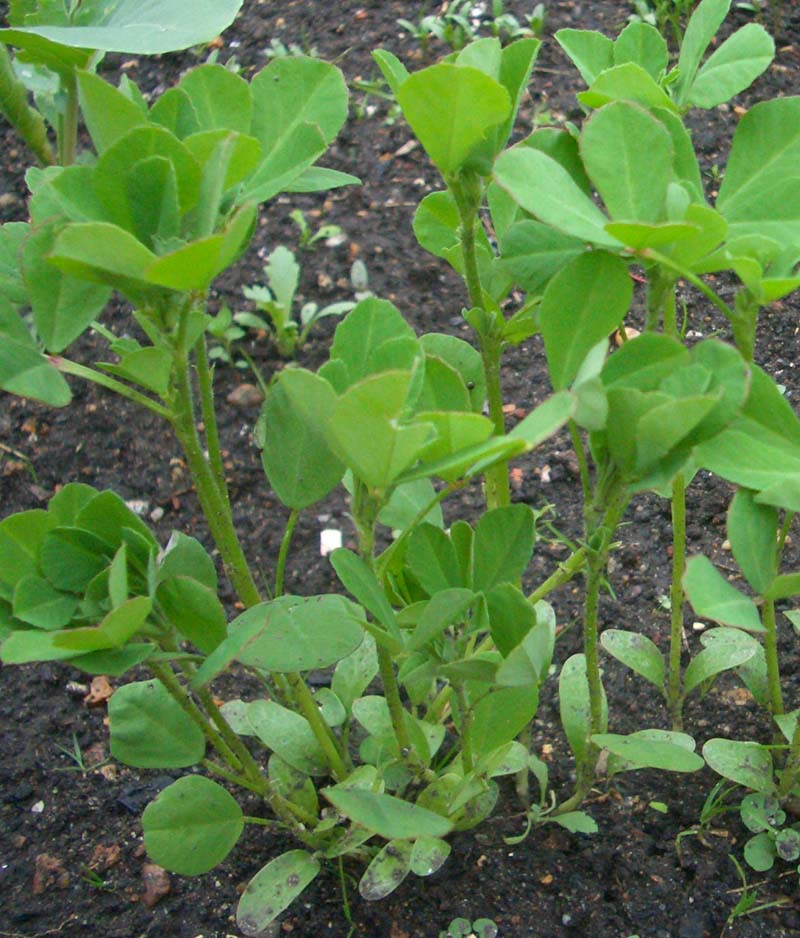 🇮🇳 India and 5 moreFenugreekحلبة (hilba)
The cuboid seed of an annual legume, prized for its bitter warmth and maple aroma.Seed · Bitter · Warm and sweet-spiced
🇮🇳 India and 5 moreFenugreekحلبة (hilba)
The cuboid seed of an annual legume, prized for its bitter warmth and maple aroma.Seed · Bitter · Warm and sweet-spiced
Photo credits on this page
The small pictures above come from Wikimedia Commons under free licences. Some are cropped to fit.
- Fenugreek: Yak, CC BY-SA 3.0, source
- Lovage: 4028mdk09, CC BY-SA 3.0, source
The weekly digest
Every Monday: seven spices you may not know, what is cooking this week, and one blend explained step by step.