🇷🇸 The spices of Serbia
1 spice from Serbia, best known first.
Serbian cooking balances European and Ottoman influences, relying on fresh meats, dairy, and grains. Seasoning stays simple, using salt, pepper, and paprika to highlight natural flavors rather than masking them.
- Paprika was introduced in the 1600s and is central to southern Serbian cooking.
- Kajmak, a fermented dairy product, is highly prized in the Čačak region.
- The svinjokolj is an autumn tradition for slaughtering pigs and curing meat.
- Ćevapi spread from Leskovac to Belgrade via migration in the late nineteenth century.
- Serbia prohibits genetically modified foods in both production and import.
Spice in Serbia
This Balkan cuisine sits at the crossroads of East and West, shaped by Byzantine, Ottoman, and Austro-Hungarian histories. The climate and mountainous terrain favored animal husbandry, making meat, cheese, and bread central to the diet. Flavors remain mild and fresh, reflecting a tradition that values high-quality ingredients over heavy spicing. Neighboring cuisines share these pastoral roots, though Serbian food maintains its own distinct balance of savory staples and simple preparations.
The spices of the kitchen
Seasoning is restrained, focusing on salt, black pepper, and paprika. Paprika arrived in the sixteenth century and became a staple, especially in southern Serbia. Bay leaves were introduced through Mediterranean trade. Other herbs appear sparingly, allowing the taste of fresh vegetables, cured meats, and dairy to dominate the palate without complex spice blends.
Blends and pastes
The cuisine does not rely on complex spice mixes. Instead, flavor comes from individual components like ajvar, a roasted pepper relish, and zimnica, a jarred assortment of pickled vegetables. These condiments add tang and heat to cold cuts and cheeses. Simple seasonings are applied directly to meats during curing or grilling, rather than using pre-mixed powders.
Today
Serbia bans genetically modified foods, a policy supported by environmentalists but contested by trade organizations. Agricultural land remains free of GMOs, ensuring fresh produce in markets. Migration spread dishes like ćevapi across former Yugoslavia. Modern kitchens still value traditional methods, with protected designations safeguarding regional products like Užice prosciutto.
The facts in this overview come from the Wikipedia article "Serbian cuisine", written by its contributors and used under the CC BY-SA 4.0 licence. EveryMasala rewrote the text in its own words, with AI assistance, and compares every page with the article to make sure no passage is copied. It may be reused under the same CC BY-SA 4.0 licence with a link back.
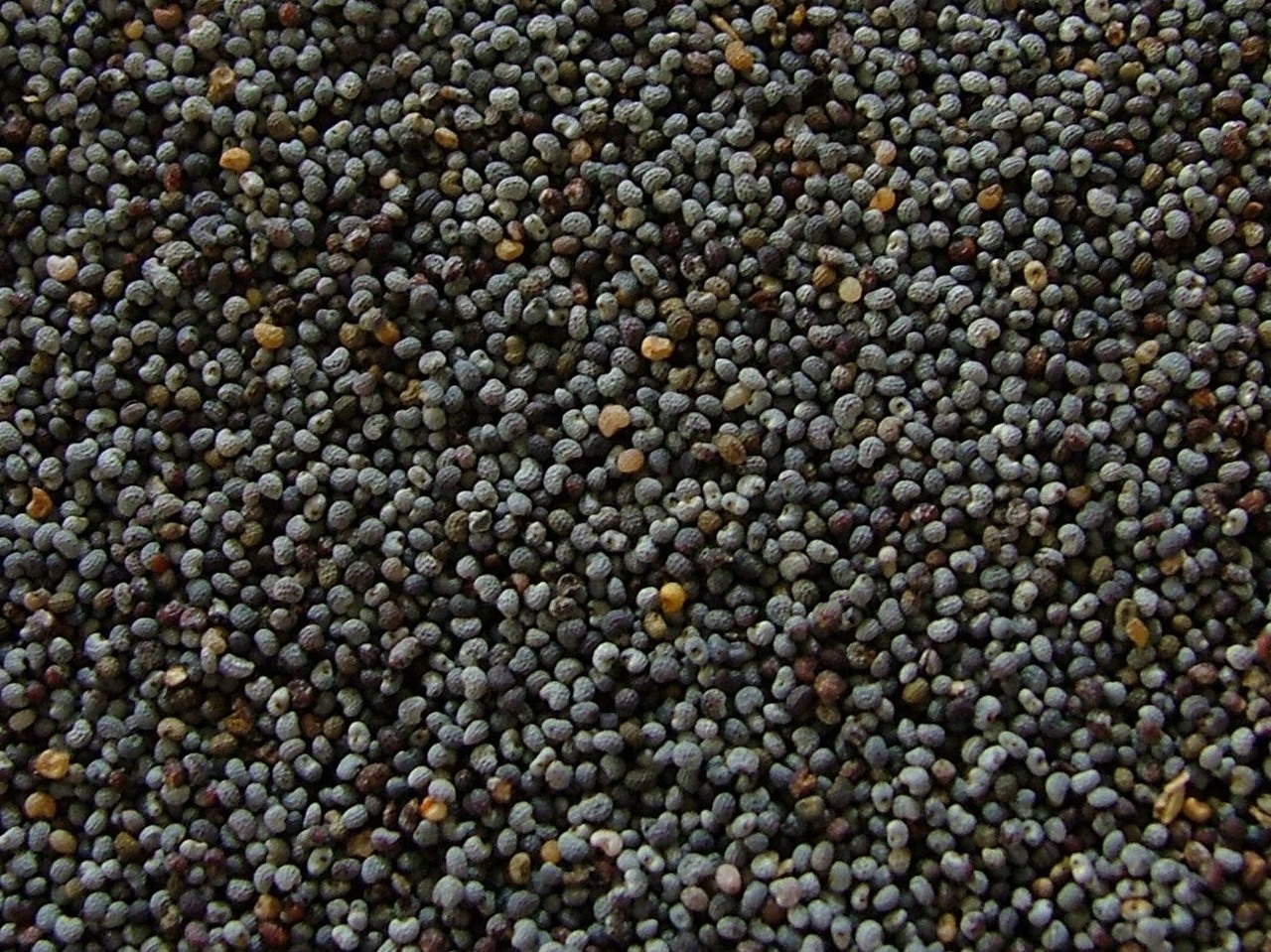
Photo credits on this page
The small pictures above come from Wikimedia Commons under free licences. Some are cropped to fit.
- Poppy seed: Odedr, Public domain, source
The weekly digest
Every Monday: seven spices you may not know, what is cooking this week, and one blend explained step by step.