🇨🇿 The spices of the Czech Republic
2 spices from the Czech Republic, best known first, across 1 city, market or growing area.
Czech cooking builds on hearty stews, thick soups, and bread dumplings, seasoned with caraway, marjoram, and dill. The cuisine reflects Central European roots, balancing rich meats with foraged mushrooms and sour dairy notes.
- Caraway seeds season potatoes, breads, and soups throughout the country.
- Dill defines the flavor of South Bohemian kulajda soup.
- Svíčková sauce blends carrots, parsley root, and celeriac with cream.
- Utopenci are spicy pickled sausages in sweet-sour vinegar marinade.
- Christmas meals traditionally feature carp and roast duck.
Spice in the Czech Republic
This cuisine anchors itself in the broader Central European tradition, relying on robust flavors and filling ingredients. Historical shifts, particularly during the communist era, emphasized reliable staples over variety. Proximity to neighbors like Slovakia and Hungary allowed dishes to cross borders, creating a shared culinary space. The diet traditionally centers on pork, poultry, and root vegetables, though modern trends show a slight move toward leaner meats and more produce. Foraging plays a key role in rural areas, adding wild mushrooms and berries to the table. The meal structure is formal, typically starting with soup before moving to the main course, reflecting a structured approach to daily eating.
The spices of the kitchen
Caraway seeds appear frequently, seasoning potatoes, breads, and soups. Marjoram provides an earthy note to meat dishes and potato-based soups. Dill defines specific regional soups and cream sauces, offering a fresh, grassy flavor. Garlic features prominently in broths and fried bread toppings. Black pepper adds heat to grain dishes and sausages. Paprika lends color and mild warmth to chicken stews. Bay leaf infuses vinegar marinades for pub snacks. These seasonings are used sparingly but deliberately to enhance the natural richness of meats and grains rather than masking them.
Blends and pastes
Traditional blends are less about complex mixtures and more about distinct pairings. Svíčková sauce combines blended root vegetables like carrot, parsley root, and celeriac with cream and spices. Koprová omáčka mixes dill into a creamy base for dumplings. Utopenci rely on a sweet-sour vinegar marinade spiked with black pepper, bay leaf, and chili peppers. Bread doughs often include salt, caraway, or onion. Sausage fillings blend minced meat with white pastry, broth, and garlic. These combinations create signature tastes that define specific dishes without requiring pre-mixed spice packets.
Today
Modern kitchens see a decline in heavy starch consumption, with wheat and potatoes giving way to healthier grains. Meat intake has shifted toward poultry and lean cuts. Communist-era products remain popular alongside new international ingredients. Culinary identity is being redefined as chefs reconnect with pre-socialist traditions. Migration brings new flavors, while protected names safeguard regional specialties. The cuisine evolves by balancing historical heaviness with contemporary health awareness, maintaining its core reliance on soups, dumplings, and pork.
The facts in this overview come from the Wikipedia article "Czech cuisine", written by its contributors and used under the CC BY-SA 4.0 licence. EveryMasala rewrote the text in its own words, with AI assistance, and compares every page with the article to make sure no passage is copied. It may be reused under the same CC BY-SA 4.0 licence with a link back.
Spice cities and markets of the Czech Republic
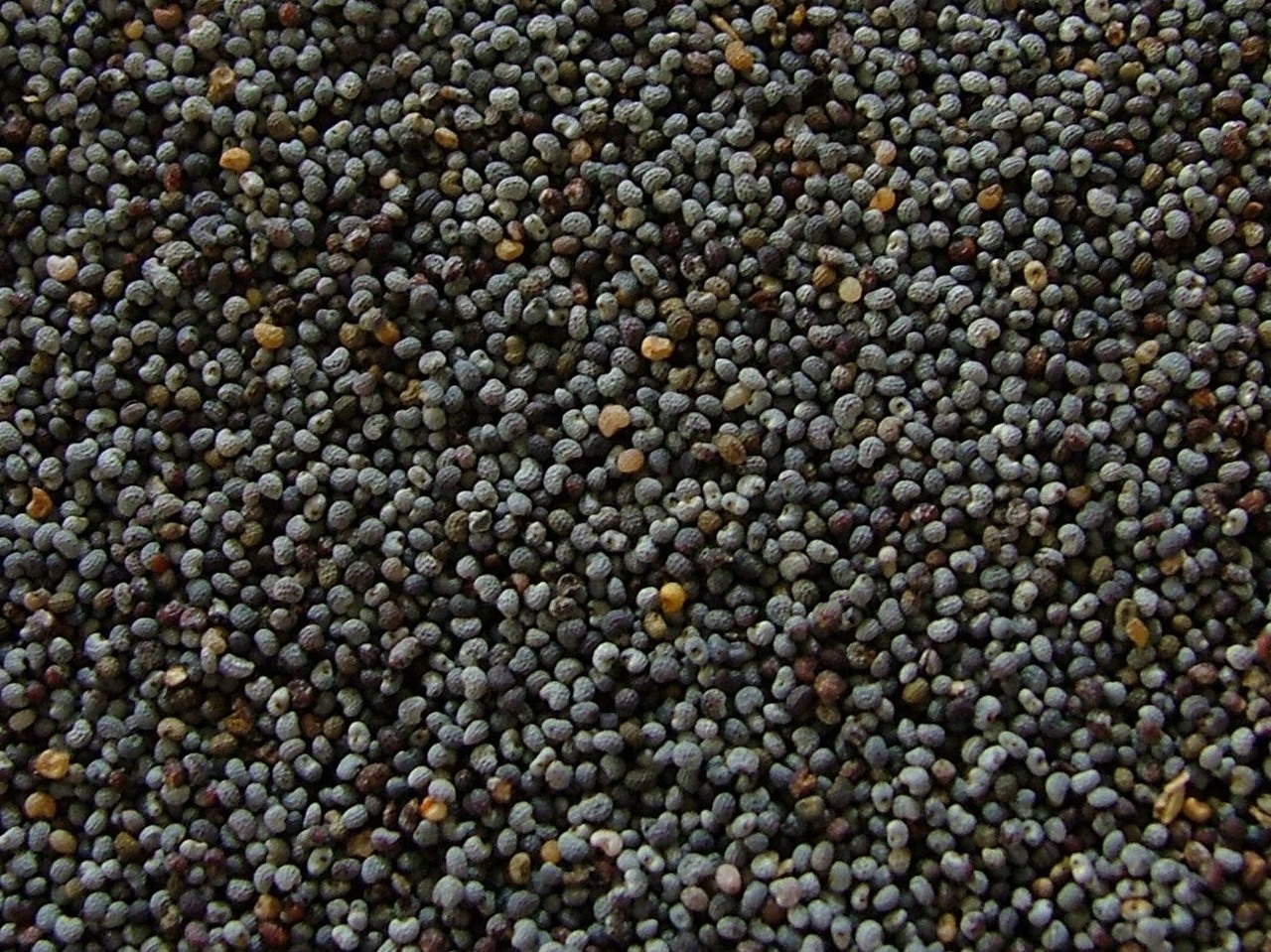 🇹🇷 Turkey and 5 morePoppy seed
The tiny kidney-shaped oilseed of the opium poppy, used in baking and cooking across Europe and South Asia.Seed · Earthy and deep
🇹🇷 Turkey and 5 morePoppy seed
The tiny kidney-shaped oilseed of the opium poppy, used in baking and cooking across Europe and South Asia.Seed · Earthy and deep
 🇩🇪 Germany and 4 moreHops
The green female flower cones of a climbing vine, used to bitter and flavour beer.Flower · Bitter · Sharp and pungent
🇩🇪 Germany and 4 moreHops
The green female flower cones of a climbing vine, used to bitter and flavour beer.Flower · Bitter · Sharp and pungent
Photo credits on this page
The small pictures above come from Wikimedia Commons under free licences. Some are cropped to fit.
- Hops: LuckyStarr, CC BY 2.5, source
- Poppy seed: Odedr, Public domain, source
The weekly digest
Every Monday: seven spices you may not know, what is cooking this week, and one blend explained step by step.