🇮🇹 The spices of Italy
13 spices from Italy, best known first, across 15 cities, markets and growing areas.
Italian cooking builds on Mediterranean staples like pasta, olive oil, and tomatoes, relying on ingredient quality over complex spice blends. Seasoning is typically simple, using garlic, herbs, and salt to highlight fresh produce rather than masking it with heavy spices.
- UNESCO listed Italian cuisine as intangible cultural heritage in 2025.
- Arabs introduced almonds, rice, and citrus to Sicily in the 9th century.
- Tomatoes, potatoes, and maize came from the Americas after colonization.
- The oldest known Italian cookbook dates to the 13th century.
- Italy produces the most wine globally with diverse indigenous grape varieties.
Spice in Italy
This cuisine developed from ancient Roman roots through centuries of regional separation and foreign influence. It emphasizes simplicity and seasonal ingredients, often using few components to let their natural flavors shine. The diet centers on vegetables, fish, fruits, and grains, with cheese and wine playing central roles. While unified today, traditions vary significantly by climate and local agriculture, creating distinct northern and southern styles that share a common respect for raw materials.
The spices of the kitchen
Historical texts show Romans used heavy spices and herbs, but modern Italian cooking favors fresh herbs like basil, oregano, and rosemary over dried spice blends. Saffron appears in specific regional dishes like risotto. Black pepper is used freshly ground. Chili peppers arrived later and are used sparingly in some areas. Garlic and onions form the aromatic base for many sauces and stews, providing depth without overwhelming heat.
Blends and pastes
Traditional seasoning relies less on pre-mixed spice powders and more on fresh herb combinations or simple pastes. Gremolata, a mix of lemon zest, garlic, and parsley, is used as a finishing touch. Pesto, originating in Liguria, combines basil, pine nuts, garlic, cheese, and olive oil into a green paste. Marinara sauce uses tomatoes, garlic, and herbs as its primary flavor profile. These preparations are made fresh rather than stored as dry spice mixes.
Today
Italian cuisine has global reach due to migration, influencing food cultures worldwide. Modern kitchens balance tradition with contemporary techniques. Protected designation status safeguards regional products under EU law. Trade continues to introduce new ingredients while maintaining core principles of simplicity and seasonality. The cuisine remains popular globally, with chefs adapting classic dishes to modern tastes while respecting historical foundations.
The facts in this overview come from the Wikipedia article "Italian cuisine", written by its contributors and used under the CC BY-SA 4.0 licence. EveryMasala rewrote the text in its own words, with AI assistance, and compares every page with the article to make sure no passage is copied. It may be reused under the same CC BY-SA 4.0 licence with a link back.
 🇬🇷 Greece and 4 moreParsley
A bright green herb from the celery family, used fresh across Europe and the Middle East.Leaf · Bitter · Herbal and green
🇬🇷 Greece and 4 moreParsley
A bright green herb from the celery family, used fresh across Europe and the Middle East.Leaf · Bitter · Herbal and green
 🇦🇫 Afghanistan and 5 moreLovageлюбисток
A tall European herb with celery-like leaves and spicy seeds used in soups and broths.Leaf · Sharp and pungent · Herbal and green
🇦🇫 Afghanistan and 5 moreLovageлюбисток
A tall European herb with celery-like leaves and spicy seeds used in soups and broths.Leaf · Sharp and pungent · Herbal and green
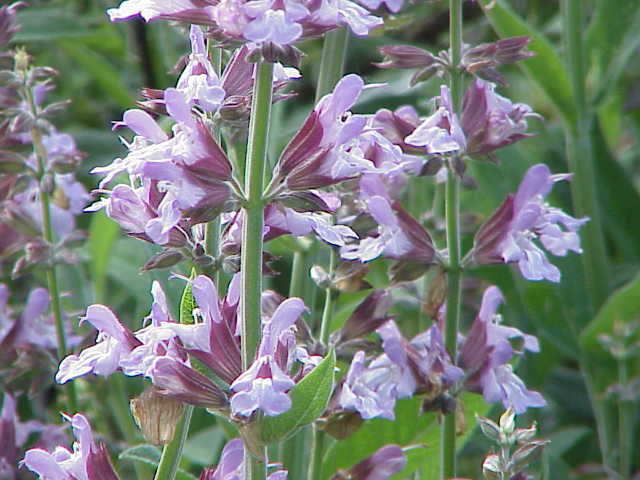 🇮🇹 Italy and 2 moreCommon sage
The gray-green leaves of a Mediterranean perennial used in European roasts and traditional remedies.Leaf · Herbal and green
🇮🇹 Italy and 2 moreCommon sage
The gray-green leaves of a Mediterranean perennial used in European roasts and traditional remedies.Leaf · Herbal and green
 🇮🇹 ItalyCommon thyme
A woody Mediterranean herb with small grey-green leaves and a sharp, spicy-sweet flavour.Leaf · Sharp and pungent · Sweet and mellow
🇮🇹 ItalyCommon thyme
A woody Mediterranean herb with small grey-green leaves and a sharp, spicy-sweet flavour.Leaf · Sharp and pungent · Sweet and mellow
Photo credits on this page
The small pictures above come from Wikimedia Commons under free licences. Some are cropped to fit.
- Parsley: H. Zell, CC BY-SA 3.0, source
- Common thyme: Isidre blanc, CC BY-SA 4.0, source
- Common sage: Kurt Stüber [1], CC BY-SA 3.0, source
- Lovage: 4028mdk09, CC BY-SA 3.0, source
The weekly digest
Every Monday: seven spices you may not know, what is cooking this week, and one blend explained step by step.