🇸🇨 The spices of the Seychelles
1 spice from the Seychelles, best known first.
Seychellois cooking centers on seafood and coconut, shaped by centuries of trade and settlement. Spices from India, China, and Europe blend into curries and sauces that define the island's Creole identity.
- Coconut milk is a key ingredient due to colonial-era plantations.
- Lasos piman is the local name for chili sauces.
- Ladob can be sweet with vanilla or savory with salted fish.
- Madagascan slaves brought Austronesian cooking methods.
- Satini reken uses bilimbi juice and lime for shark chutney.
Spice in the Seychelles
The food of Seychelles reflects its position as a crossroads in the Indian Ocean. Settled by the French and later governed by the British, the islands absorbed influences from Africa, Asia, and Europe. Enslaved people from Madagascar brought ancient techniques, while merchants introduced new ingredients. This mix created Creole cuisine, a distinct style built on local resources and imported traditions. The result is a culinary landscape that shares traits with other island nations but remains unique to the archipelago.
The spices of the kitchen
Ginger, lemongrass, coriander, and tamarind form the backbone of seasoning. Curry powder and curry leaves appear frequently in savory dishes. Cinnamon bark and leaves add warmth to both sweet and salty preparations. These spices arrive from India, China, and Europe, mirroring the islands' trading history. They are used to build depth in curries and stews rather than overwhelming the main ingredients.
Blends and pastes
Lasos piman serves as the primary chili sauce, adding heat to many meals. Rougail saucisse combines sausage with a tomato and onion base seasoned with local spices. Satini reken mixes mashed shark with bilimbi juice and lime for a sharp chutney. These condiments provide acidity and spice, balancing the richness of coconut milk and seafood found in the main courses.
Today
Modern Seychellois cuisine retains its historical roots while adapting to global tastes. The Indian Ocean Tuna company processes large volumes of tuna, linking local production to international markets. Migration and trade continue to introduce new ingredients. Restaurants offer wine alongside traditional beer and spirits. The cuisine stands as a living example of cultural fusion, preserved through family recipes and local market practices.
The facts in this overview come from the Wikipedia article "Seychellois cuisine", written by its contributors and used under the CC BY-SA 4.0 licence. EveryMasala rewrote the text in its own words, with AI assistance, and compares every page with the article to make sure no passage is copied. It may be reused under the same CC BY-SA 4.0 licence with a link back.
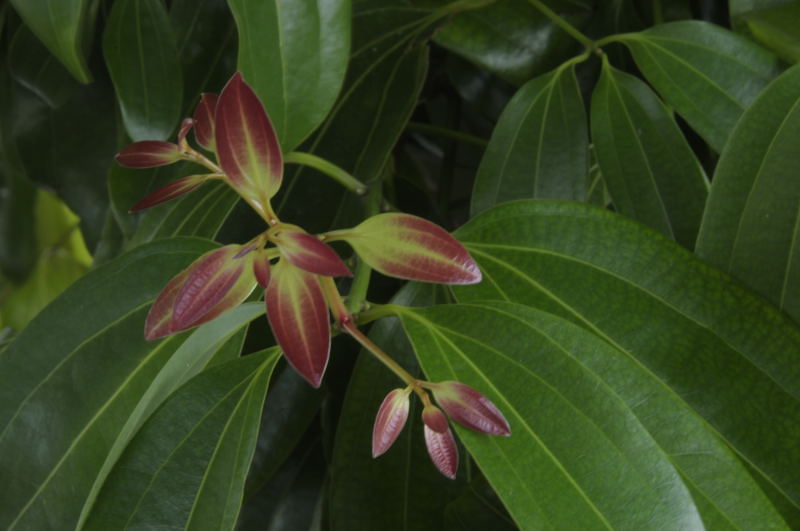
Photo credits on this page
The small pictures above come from Wikimedia Commons under free licences. Some are cropped to fit.
- Ceylon cinnamon: NickCT, CC BY-SA 3.0, source
The weekly digest
Every Monday: seven spices you may not know, what is cooking this week, and one blend explained step by step.