Birth and childhood: spices that mark them
Spiced foods for new mothers, naming days and the first meal of a child.
Birth and new babies are marked in many cultures with spiced foods, drinks and ceremonies, which are given as customs and not as medical guidance.
Postnatal foods
In several traditions mothers are given special foods after birth. In India, panjiri and laddus made with ghee, ginger, fenugreek and dry fruit are served. In China, the confinement tradition of zuo yuezi includes ginger dishes. In Mexico and elsewhere, local teas and soups are prepared. These are practices of tradition and not health advice.
Welcoming the baby
In Islamic tradition the aqiqah feast may mark a baby's birth. In Jewish tradition, a shalom zachar gathering may include chickpeas. In the Caribbean and Africa, spiced porridges and sweets are shared. Customs vary.
Sharing sweets
Sweets flavoured with cardamom, saffron or nutmeg are widely distributed after a birth, to share the joy with neighbours.
Birth and childhood on EveryMasala
The spices written up so far, best known first.
 🇺🇸 United States and 1 moreCalifornian white sage
An aromatic desert shrub whose seeds flavour maize foods and roots make tonic teaSeed · Herbal and green · Sharp and pungent
🇺🇸 United States and 1 moreCalifornian white sage
An aromatic desert shrub whose seeds flavour maize foods and roots make tonic teaSeed · Herbal and green · Sharp and pungent
 🇵🇸 Palestine and 4 moreGreek sage
A perennial Mediterranean herb with silvery leaves and pinkish-lavender flowers.Leaf · Herbal and green
🇵🇸 Palestine and 4 moreGreek sage
A perennial Mediterranean herb with silvery leaves and pinkish-lavender flowers.Leaf · Herbal and green
 🇳🇬 Nigeria and 1 moreAlligator pepper
The seed pods of West African ginger plants, named for the bumpy texture of their inner kernels.Fruit · Sharp and pungent · Hot and fiery
🇳🇬 Nigeria and 1 moreAlligator pepper
The seed pods of West African ginger plants, named for the bumpy texture of their inner kernels.Fruit · Sharp and pungent · Hot and fiery
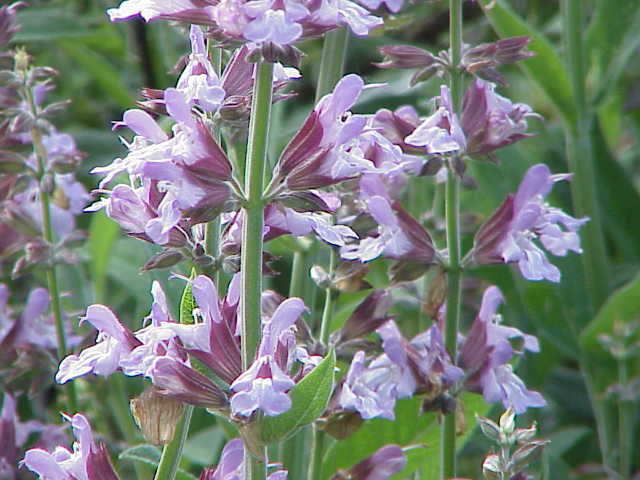 🇮🇹 Italy and 2 moreCommon sage
The gray-green leaves of a Mediterranean perennial used in European roasts and traditional remedies.Leaf · Herbal and green
🇮🇹 Italy and 2 moreCommon sage
The gray-green leaves of a Mediterranean perennial used in European roasts and traditional remedies.Leaf · Herbal and green
 🇵🇹 Portugal and 4 moreRosemary
A fragrant Mediterranean shrub with needle-like leaves used for seasoning and remembranceHerbal and green
🇵🇹 Portugal and 4 moreRosemary
A fragrant Mediterranean shrub with needle-like leaves used for seasoning and remembranceHerbal and green
Photo credits on this page
The small pictures above come from Wikimedia Commons under free licences. Some are cropped to fit.
- Alligator pepper: NsirimS, CC BY-SA 4.0, source
- Californian white sage: Stan Shebs, CC BY-SA 3.0, source
- Common sage: Kurt Stüber [1], CC BY-SA 3.0, source
- Rosemary: Miguel Angel Masegosa Martínez, CC BY 2.0, source
- Greek sage: This file is a work by Ester Inbar ( user:ST or he:user:ST ). More of, Attribution, source