
Alligator pepper
Aframomum daniellii, Aframomum citratum, or Aframomum exscapum
The seed pods of West African ginger plants, named for the bumpy texture of their inner kernels.
This seasoning comes from the fruit of several herbaceous ginger species found in West Africa. The dried pods hold seeds with a rough skin that resembles reptile scales, offering a pungent and spicy taste used sparingly in local soups and stews.
- Seeds have bumpy skins resembling an alligator's back.
- Used sparingly in West African soups and stews.
- Presented with kola nuts during birth and naming ceremonies.
- Plants grow in swampy habitats along the West African coast.
- Related to grains of paradise but sold with the whole pod.
What is Alligator pepper?
Alligator pepper refers to the fruit produced by specific herbaceous plants within the ginger family. These perennials grow naturally in swampy areas along the West African coast. The spice consists of the entire pod containing the seeds inside. When you open the pod, you find seeds wrapped in a papery skin. This skin has bumps that look very much like the back of an alligator, which gives the spice its English name. The seeds themselves are small and hard. They carry a strong scent and a sharp taste that stands out in cooking.
Where does Alligator pepper come from?
These plants are native to the coastal regions of West Africa. They thrive in wet, swampy environments. There are three main species used: Aframomum daniellii, Aframomum citratum, and Aframomum exscapum. Alligator pepper is closely related to grains of paradise. However, unlike grains of paradise, which usually sell just the seeds, this spice is often sold with the whole pod intact. This method is similar to how black cardamom is handled. The plants have been part of the local ecosystem for a long time.
What does Alligator pepper taste like?
The taste is defined by its heat and sharpness. It brings a pungent quality to dishes that lingers on the palate. The aroma is spicy and distinct. Some varieties, particularly those known as mbongo spice, offer a more floral note compared to others. The heat level is significant, making it a powerful seasoning. Cooks use it to add depth and a biting warmth to their preparations. It is not a mild spice but one that commands attention in the bowl.
How Alligator pepper is grown and processed
The plants grow in humid, swampy habitats near the coast. They are perennial herbs that flower annually. Harvesting involves collecting the ripe pods. For some uses, the seeds are removed from the pod and the outer skin is peeled off. This processed form is called mbongo spice. Other times, the whole pod is kept together. The drying process preserves the seeds and the protective skin. The bumpy texture of the seeds remains visible even after drying.
Alligator pepper, drawn
How Alligator pepper is used
In West African kitchens, this spice is considered expensive. Therefore, cooks use it sparingly. A common method is to pound a single whole pod in a mortar. Then, half of the contents are added to soups or boiled rice. It is often paired with black pepper to enhance the flavor profile. It can also replace grains of paradise or black cardamom in recipes. Doing so provides a hotter and more pungent result. It is primarily used to season liquid-based dishes like stews.
Alligator pepper in the world's kitchens
West African cuisine relies heavily on this spice. It is particularly important in Nigeria and Niger. In Yoruba culture, it is known as atare. In Igboland, it is called ose oji. Different ethnic groups prepare and use it differently. Some isolate the seeds for grinding, while others keep the pod whole. The spice bridges various regional cooking styles. It provides a consistent heat across different territories. Local markets treat it as a premium item due to its cost.
At a glance: where it turns up
Cuisines
Spiritual use
Celebrations
Spiritual and ceremonial use
The spice holds deep meaning in indigenous traditions. It is not just food but a sacred object. In many ceremonies, it is presented alongside kola nuts. Guests receive these items as a sign of respect and hospitality. Prayers and libations are made using both the pepper and the nuts. This ritual happens before any other activities begin. It connects the community through shared spiritual practices. The act of sharing the spice reinforces social bonds.
Alligator pepper at celebrations
Births are a major occasion for this spice. When a baby is born in Yoruba culture, they are given a tiny taste of the pepper. This welcomes the child into the world. Naming ceremonies in Igboland also feature the spice prominently. It is presented to guests as part of the formal agenda. Weddings and other social gatherings include it in the welcome rites. It marks important life transitions and community events.
Traditional and medicinal use
Traditional medicine systems utilize this spice for healing. In Ibibio and Efik cultures, it serves medicinal purposes. People believe it helps cure various ailments. During recent health crises, such as the COVID-19 pandemic, it was employed in folk remedies. However, these uses are based on tradition rather than clinical science. No medical advice should be inferred from these practices. The spice is valued for its perceived therapeutic properties.
Buying and storing Alligator pepper
Keep the dried pods in a cool, dry place. The papery skin helps protect the seeds inside. Store them away from direct sunlight to preserve the flavor. If you grind the seeds, use them quickly. Ground spices lose their potency faster than whole pods. An airtight container works best. Check for any signs of moisture or mold before use.
What to use instead of Alligator pepper
Grains of paradise serve as a close alternative. Black cardamom is another valid substitute. Both provide a similar aromatic quality. However, alligator pepper offers more heat. If you need a milder option, reduce the amount used. Black pepper can complement it but lacks the unique floral notes. Choose your substitute based on the desired level of pungency.
The trade in Alligator pepper
This spice is traded within West Africa. Nigeria and Niger are key countries involved. It is considered an expensive commodity. Traders often sell the whole pods or the isolated seeds. Mbongo spice is a popular form in urban markets. The trade supports local farmers in swampy regions. Adulteration is rare due to its distinctive appearance. Certification programs are not widely established. The market remains largely traditional and local.
Meal
This spice belongs mainly to lunch and dinner settings. It is a key ingredient in traditional soups and stews. These are often served with boiled rice or other staples. Because it is potent, it is not typically used in breakfast dishes. It adds warmth to midday and evening meals. Street food vendors might use it in hearty bowls. It is rarely found in desserts or sweet drinks. Its role is strictly savory and warming.
Questions people ask about Alligator pepper
What does alligator pepper taste like?
It has a pungent and hot flavor. The taste is sharp and spicy. Some varieties offer a floral aroma. It adds significant heat to dishes like soups and stews. Cooks use it sparingly because of its intensity.
Where does alligator pepper come from?
It originates from West Africa. The plants grow in swampy areas near the coast. Nigeria and Niger are key regions. Three species provide the spice. It is native to these humid environments.
How is alligator pepper used in ceremonies?
It is presented with kola nuts to guests. This happens at births and naming ceremonies. Prayers are made using both items. It symbolizes hospitality and respect. The ritual occurs before any food is served.
Can I substitute alligator pepper in recipes?
Yes, use grains of paradise or black cardamom. These provide similar aromatic qualities. Alligator pepper is hotter than these alternatives. Adjust the quantity to match the desired heat level.
Why is it called alligator pepper?
The name comes from the seed texture. The seeds are enclosed in a papery skin. This skin has bumps that look like an alligator's back. The visual resemblance is striking and memorable.
Good reading and sources
The facts on this page come from the Wikipedia article "Alligator pepper", written by its contributors and used under the CC BY-SA 4.0 licence, and from its Wikidata record (CC0). EveryMasala rewrote the text in its own words, with AI assistance, and compares every page with the article to make sure no passage is copied. It may be reused under the same CC BY-SA 4.0 licence with a link back.
It may contain mistakes. Names, strengths and customs differ from one grower, kitchen or shop to the next. Traditional and medicinal uses are described as tradition, never as medical advice, and none of this is a substitute for a doctor. If something is wrong, tell us. Last refreshed 2026-10-04.
More from Nigeria
All the spices of Nigeria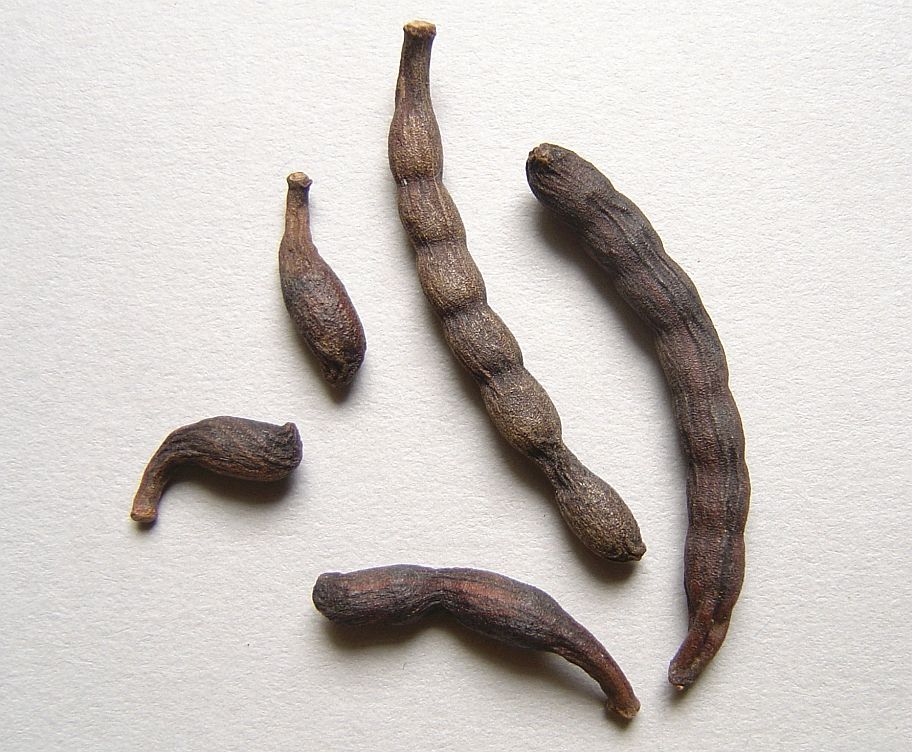 🇬🇭 Ghana and 5 moreGrains of Selimdiarr
The dried fruit of a West African shrub, used as a peppery spice and coffee flavouring.Fruit · Sharp and pungent · Bitter
🇬🇭 Ghana and 5 moreGrains of Selimdiarr
The dried fruit of a West African shrub, used as a peppery spice and coffee flavouring.Fruit · Sharp and pungent · Bitter
 🇳🇬 Nigeria and 3 moreAshanti pepper
The dried fruit of a climbing vine, used for its fresh, herbaceous heat in West African stews.Fruit · Sharp and pungent · Bitter
🇳🇬 Nigeria and 3 moreAshanti pepper
The dried fruit of a climbing vine, used for its fresh, herbaceous heat in West African stews.Fruit · Sharp and pungent · Bitter
 🇬🇭 Ghana and 5 morePrekeseprɛkɛsɛ
The scented pod of a West African tree, used to perfume soups.Fruit · Sweet and mellow
🇬🇭 Ghana and 5 morePrekeseprɛkɛsɛ
The scented pod of a West African tree, used to perfume soups.Fruit · Sweet and mellow
 🇳🇬 NigeriaYaji
A spicy rub from Nigeria made with chili, ginger, and ground peanuts.Blend · Hot and fiery · Earthy and deep
🇳🇬 NigeriaYaji
A spicy rub from Nigeria made with chili, ginger, and ground peanuts.Blend · Hot and fiery · Earthy and deep
Its cousins elsewhere
All fruit 🇬🇧 United Kingdom and 4 moreRock samphire
A coastal succulent with peppery leaves and carrot-scented roots, used fresh or pickled.Leaf · Hot and fiery · Sharp and pungent
🇬🇧 United Kingdom and 4 moreRock samphire
A coastal succulent with peppery leaves and carrot-scented roots, used fresh or pickled.Leaf · Hot and fiery · Sharp and pungent
 🇲🇽 MexicoSalsa macha
A Mexican condiment of dried chilies and oil, crushed to a coarse texture.Paste · Hot and fiery · Sharp and pungent
🇲🇽 MexicoSalsa macha
A Mexican condiment of dried chilies and oil, crushed to a coarse texture.Paste · Hot and fiery · Sharp and pungent
 🇯🇵 JapanKarashiからし
A potent Japanese mustard made from brown mustard seeds, served as a sharp condiment.Seed · Hot and fiery · Sharp and pungent
🇯🇵 JapanKarashiからし
A potent Japanese mustard made from brown mustard seeds, served as a sharp condiment.Seed · Hot and fiery · Sharp and pungent
 🇭🇹 HaitiEpis
A blended flavor base of peppers, garlic, and herbs essential to Haitian cookingHot and fiery · Sharp and pungent
🇭🇹 HaitiEpis
A blended flavor base of peppers, garlic, and herbs essential to Haitian cookingHot and fiery · Sharp and pungent