
Thyme
Thymus vulgaris
The dried leaves of a Mediterranean mint-family herb, used to perfume stews and baths alike.
Thyme is a culinary herb from the mint family, native to the Mediterranean basin. Its small leaves carry a warm, earthy aroma with hints of pine and lemon, making it a staple in European cooking and traditional rituals.
- Ancient Greeks burned thyme as incense to invoke courage.
- Thymol gives thyme its antiseptic and aromatic properties.
- Greek and Maltese wild thyme honey is highly prized.
- Medieval Europeans placed thyme on coffins for the afterlife.
- Fresh thyme lasts only a week unless frozen.
What is Thyme?
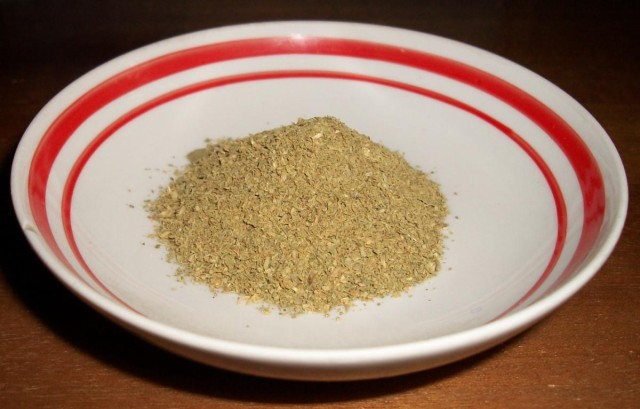
Thyme consists of the dried leaves and stems of plants in the Thymus genus, belonging to the mint family. The most common variety is Thymus vulgaris, which grows as a perennial shrub. The leaves are tiny, paired along woody stems, and range from bright green to grey-green when dried. The scent is sharp and herbal, often described as earthy with notes of pine or lemon depending on the species. It has a mild, warming taste that deepens when cooked.
Where does Thyme come from?
Wild thyme originates from the Mediterranean region, including North Africa and the Levant. Ancient Egyptians used it for embalming, while Greeks burned it as incense to invoke courage. Romans spread its cultivation across Europe for flavoring cheese and liqueurs. In medieval times, it was placed under pillows for sleep and given to knights for bravery. It also appeared on coffins to aid passage to the afterlife.
What does Thyme taste like?
The primary flavor compounds are essential oils like thymol and carvacrol, which provide antiseptic qualities and a pungent, herbal bite. Other components include linalool and p-cymene, adding subtle citrus and floral notes. Flavonoids such as apigenin contribute to its antioxidant profile. The taste is robust yet delicate, balancing earthiness with a clean, aromatic finish that persists through long cooking.
How Thyme is grown and processed
Thyme thrives in hot, sunny spots with well-drained soil. It is typically planted in spring and propagated by seed, cuttings, or dividing roots. The plant tolerates drought well and should be pruned after flowering to prevent woody growth. Harvesting occurs throughout the growing season, with leaves dried or frozen for storage. Drying preserves flavor better than many other herbs, though fresh sprigs last only about a week unless frozen.
Thyme, drawn
How Thyme is used
Thyme is a key ingredient in bouquet garni and herbes de Provence. It is sold fresh in bunches or dried, with recipes calling for whole sprigs or stripped leaves. Fresh thyme offers more intensity but spoils quickly; dried thyme is convenient for long-simmered dishes. In Armenia, dried thyme is steeped in tisanes. It pairs well with meats, cheeses, and vegetables, infusing dishes with its herbal depth without overpowering them.
Thyme in the world's kitchens
Lebanese cuisine incorporates thyme into various dishes, reflecting its Mediterranean roots. Greek and Maltese traditions highlight wild thyme honey, produced from bees pollinating thyme fields. Icelandic cooks gather wild thyme for warm infusions. Armenian preparations use dried thyme in teas. The herb’s adaptability allows it to fit into diverse regional styles, from French bouquets to Middle Eastern spice blends.
At a glance: where it turns up


Spiritual and ceremonial use
In ancient Greece, thyme was burned in temples as incense to symbolize courage. Egyptians used it in embalming rites, believing it aided preservation. Medieval Europeans placed it on coffins to ensure safe passage to the next life. Women gifted thyme to warriors for bravery. These practices reflect its association with protection, purification, and spiritual transition across cultures.
Thyme at celebrations
Thyme appears in funeral rites, particularly in medieval Europe, where it was placed on graves to guide souls. It is also linked to hospitality, as knights received it as a token of welcome and valor. While not central to weddings or harvest festivals, its presence in daily cooking and ritual underscores its role in communal life and personal milestones.
Traditional and medicinal use
Traditional medicine uses thyme for its antiseptic and antibiotic properties, largely due to thymol. It has been used in mouthwashes and topical treatments for infections. Historically, it was believed to aid digestion and respiratory health. Safety notes suggest moderation, as high concentrations of essential oils can be irritating. Always consult a professional before using for medicinal purposes.
Buying and storing Thyme
Store fresh thyme in the refrigerator, wrapped in a damp paper towel, for up to a week. For longer storage, freeze the sprigs whole or strip the leaves and keep them in an airtight container. Dried thyme retains flavor for months if kept away from light and moisture. Check for vibrant color and strong aroma; faded or dusty leaves indicate age.
What to use instead of Thyme
Oregano and marjoram are common substitutes for thyme in savory dishes, offering similar herbal notes. Rosemary can work in meat-based recipes but has a stronger pine flavor. For lemon thyme varieties, add a squeeze of lemon juice to mimic the citrus hint. Avoid using too much substitute, as thyme’s subtle balance is unique.
The trade in Thyme
Thyme is traded globally, with major producers in Mediterranean countries. Wild thyme honey from Greece and Malta commands premium prices due to its distinct flavor. Adulteration is rare but possible with cheaper herbs. Certification programs ensure quality for culinary and medicinal markets. The herb’s historical value in trade routes reflects its enduring importance in both food and health industries.
Meal
This herb is versatile, appearing in dinner mains like roasted meats and stews. It is also found in snacks and preserved foods, where its antimicrobial properties were historically valued. While not typical for breakfast or dessert, it enhances savory broths and soups. Its durability makes it suitable for slow-cooked meals where flavors meld over time.
Blends with Thyme
Questions people ask about Thyme
What does thyme taste like?
Thyme has a warm, earthy flavor with herbal and slightly citrus notes. Its taste comes from essential oils like thymol and carvacrol, which provide a gentle pungency that enhances savory dishes without overwhelming them.
Where is thyme originally from?
Thyme is native to the Mediterranean region, including North Africa, the Levant, and Southern Europe. It was cultivated in ancient Egypt and Greece for culinary, medicinal, and ritual purposes before spreading across Europe.
How do I use fresh vs. dried thyme?
Fresh thyme is best added near the end of cooking for maximum aroma, while dried thyme holds up well in long-simmered dishes. Whole sprigs can be removed before serving, or leaves can be stripped for direct use.
Can thyme be used in sweet dishes?
While primarily used in savory cooking, some lemon thyme varieties pair well with fruits and desserts. Its citrus notes complement berries and stone fruits, adding complexity to jams and syrups.
Is thyme safe for everyday use?
Yes, thyme is safe for culinary use in normal amounts. However, concentrated essential oils should be used cautiously, as they may cause irritation. Traditional medicine uses it for minor ailments, but consult a doctor for medical advice.
Good reading and sources
- Thyme on WikipediaEncyclopedia
- More photos on Wikimedia CommonsPhotos and video
- Wikidata recordOpen data
The facts on this page come from the Wikipedia article "Thyme", written by its contributors and used under the CC BY-SA 4.0 licence, and from its Wikidata record (CC0). EveryMasala rewrote the text in its own words, with AI assistance, and compares every page with the article to make sure no passage is copied. It may be reused under the same CC BY-SA 4.0 licence with a link back.
It may contain mistakes. Names, strengths and customs differ from one grower, kitchen or shop to the next. Traditional and medicinal uses are described as tradition, never as medical advice, and none of this is a substitute for a doctor. If something is wrong, tell us. Last refreshed 2026-10-04.
More from Greece
All the spices of Greece 🇬🇷 Greece and 4 moreParsley
A bright green herb from the celery family, used fresh across Europe and the Middle East.Leaf · Bitter · Herbal and green
🇬🇷 Greece and 4 moreParsley
A bright green herb from the celery family, used fresh across Europe and the Middle East.Leaf · Bitter · Herbal and green
 🇮🇷 Iran and 4 moreSaffronزعفران
The dried crimson stigmas of the autumn-blooming saffron crocus.Stigma · Sharp and pungent · Bitter
🇮🇷 Iran and 4 moreSaffronزعفران
The dried crimson stigmas of the autumn-blooming saffron crocus.Stigma · Sharp and pungent · Bitter
 🇵🇸 Palestine and 4 moreGreek sage
A hairy Mediterranean shrub with pink flowers and edible fruit galls.Leaf · Herbal and green · Sweet and mellow
🇵🇸 Palestine and 4 moreGreek sage
A hairy Mediterranean shrub with pink flowers and edible fruit galls.Leaf · Herbal and green · Sweet and mellow
 🇬🇧 United Kingdom and 4 moreRock samphire
A coastal succulent with peppery leaves and carrot-scented roots, used fresh or pickled.Leaf · Hot and fiery · Sharp and pungent
🇬🇧 United Kingdom and 4 moreRock samphire
A coastal succulent with peppery leaves and carrot-scented roots, used fresh or pickled.Leaf · Hot and fiery · Sharp and pungent
Its cousins elsewhere
All leaf 🇮🇳 India and 4 moreCurry paste
A blended mixture of spices and aromatics used as the base for curries in Asia.Warm and sweet-spiced · Earthy and deep
🇮🇳 India and 4 moreCurry paste
A blended mixture of spices and aromatics used as the base for curries in Asia.Warm and sweet-spiced · Earthy and deep
 🇬🇪 GeorgiaKhmeli suneliხმელი სუნელი
A flexible Georgian blend of dried herbs and seeds for stews and meats.Blend · Warm and sweet-spiced · Earthy and deep
🇺🇸 United StatesMrs. Burns' Lemon Basil
An heirloom sweet basil cultivar from New Mexico with intense lemon flavor and large leaves.Leaf · Citrus and bright · Floral and perfumed
🇬🇪 GeorgiaKhmeli suneliხმელი სუნელი
A flexible Georgian blend of dried herbs and seeds for stews and meats.Blend · Warm and sweet-spiced · Earthy and deep
🇺🇸 United StatesMrs. Burns' Lemon Basil
An heirloom sweet basil cultivar from New Mexico with intense lemon flavor and large leaves.Leaf · Citrus and bright · Floral and perfumed
 🇲🇽 Mexico and 1 moreHoja santa
The large, heart-shaped leaf of a Mexican pepper plant, used to wrap and flavor food.Anise and liquorice · Warm and sweet-spiced
🇲🇽 Mexico and 1 moreHoja santa
The large, heart-shaped leaf of a Mexican pepper plant, used to wrap and flavor food.Anise and liquorice · Warm and sweet-spiced