
Rock samphire
Crithmum maritimum
A coastal succulent with peppery leaves and carrot-scented roots, used fresh or pickled.
Rock samphire is a perennial herb from the carrot family found on European coastlines. Its fleshy foliage offers a hot, spicy taste and smells of furniture polish, while its taproot carries a distinct carrot aroma. It is traditionally prepared by cooking, pickling in vinegar or oil, or grinding into a salt substitute.
- Smells like furniture polish when leaves are crushed.
- Roots have a distinct carrot-like aroma.
- Protected in the UK; wild uprooting is illegal.
- Pickled in olive oil as an Italian antipasto.
- Rich in antioxidants according to nutritional studies.
What is Rock samphire?
This plant belongs to the Apiaceae family, which includes carrots and parsley. It grows as a low, sprawling herb along rocky shores. The leaves are thick, smooth, and divided into small segments. When crushed, they release a sharp scent often compared to furniture polish. The taste is notably hot and peppery. Beneath the surface lies a long, fibrous taproot that emits a familiar carrot-like smell. Small greenish-yellow flowers appear in clusters, followed by tiny yellow or purple fruits.
Where does Rock samphire come from?
The species thrives across the Old World coastlines. It is native to Europe, extending north to the British Isles. It also grows in Macaronesia, parts of West Asia, and North Africa. Habitats include the Atlantic, Mediterranean, and Black Sea coasts. In Britain, it is protected by law, making the uprooting of wild plants illegal under the Wildlife and Countryside Act.
What does Rock samphire taste like?
The primary sensory experience comes from the succulent foliage. It delivers a pleasant, hot, and spicy kick to the palate. The aroma is distinctively pungent, reminiscent of chemical cleaners or furniture polish. This sharpness contrasts with the earthy, carrot-like scent of the root system. The heat is not capsaicin-based but rather a natural pungency found in the plant's tissues.
How Rock samphire is grown and processed
It is a hardy perennial that can reach fifty centimetres in height. The stems may be erect or lie flat against the ground. Older bases become woody over time. In cultivation, such as in British gardens, it prefers light, rich soil. Harvesters must be careful, as wild collection is restricted in some regions to protect natural populations.
Rock samphire, drawn
How Rock samphire is used
The stems and leaves require washing and cooking before eating. They can be preserved by pickling in salted vinegar or olive oil. Fresh leaves are suitable for salads. Dried and ground foliage serves as a unique salt substitute. In Italy, particularly the Marche region, it is known as Paccasassi del Conero. It accompanies fish and meat dishes, garnishes pizzas, and functions as an antipasto starter.
Rock samphire in the world's kitchens
Mediterranean cuisines feature this ingredient prominently. Italian cooks in the Marche region pickle it in olive oil. Croatian preparations in Dalmatia use similar methods. Greek and Montenegrin traditions, especially around the Bay of Kotor, also incorporate it. These regional styles highlight its ability to complement local seafood and preserve well in brine.
At a glance: where it turns up
Cuisines


Spiritual and ceremonial use
No specific religious rituals or dietary laws are associated with this plant in the provided records. It does not hold a place in sacred offerings or ceremonial feasts within the documented traditions.
Rock samphire at celebrations
There are no recorded festivals, weddings, or harvest celebrations specifically tied to rock samphire. While historically shipped to London markets in May, this was a commercial activity rather than a celebratory occasion.
Traditional and medicinal use
Historical texts note its culinary value. Culpeper described its taste as pleasant and spicy. Shakespeare referenced the dangerous practice of harvesting it from cliffs in King Lear. In the nineteenth century, it was transported in seawater casks from the Isle of Wight to London. Modern notes indicate it is rich in antioxidants, though traditional medicine uses are not detailed.
Buying and storing Rock samphire
Fresh specimens spoil quickly and were historically shipped in seawater to maintain freshness. Pickling in vinegar or oil extends their usability significantly. Ground powder should be stored dry to retain its pungent flavor. Look for vibrant green leaves without signs of wilting when purchasing fresh.
What to use instead of Rock samphire
Marsh samphire (Salicornia europaea) is often confused with rock samphire. However, marsh samphire has a different texture and lacks the strong peppery punch. Glasswort is another common name used for the marsh variety. No direct spice substitute replicates the exact furniture-polish aroma of the rock variety.
Meal
Pickled versions act as a snack or street food item. The Italian preparation serves as an antipasto, a starter course before a main meal. It pairs well with seafood and meat dinners. Fresh applications might appear in light lunches or salads. Historically, it was sold in London markets as a seasonal treat.
Questions people ask about Rock samphire
What does rock samphire taste like?
The leaves offer a hot, peppery, and spicy taste. The aroma is sharp and pungent, often compared to furniture polish. The root system provides a contrasting earthy scent similar to carrots.
Where does sea fennel grow naturally?
It is found along coastlines in Europe, including the British Isles. It also grows in Macaronesia, West Asia, and North Africa near the Atlantic, Mediterranean, and Black Seas.
How is it typically prepared for eating?
Stems and leaves are washed and cooked. They can be pickled in vinegar or olive oil. Fresh leaves are used in salads, and dried grounds serve as a salt substitute.
Is it safe to collect from the wild in Britain?
No. Under the Wildlife and Countryside Act, uprooting wild rock samphire is illegal in the United Kingdom to protect natural populations.
Good reading and sources
- Crithmum on WikipediaEncyclopedia
- More photos on Wikimedia CommonsPhotos and video
- Wikidata recordOpen data
The facts on this page come from the Wikipedia article "Crithmum", written by its contributors and used under the CC BY-SA 4.0 licence, and from its Wikidata record (CC0). EveryMasala rewrote the text in its own words, with AI assistance, and compares every page with the article to make sure no passage is copied. It may be reused under the same CC BY-SA 4.0 licence with a link back.
It may contain mistakes. Names, strengths and customs differ from one grower, kitchen or shop to the next. Traditional and medicinal uses are described as tradition, never as medical advice, and none of this is a substitute for a doctor. If something is wrong, tell us. Last refreshed 2026-10-05.
More from the United Kingdom
All the spices of the United Kingdom 🇦🇹 Austria and 5 moreCaraway
The crescent-shaped fruit of a carrot-family herb, used to flavour breads and spirits.Seed · Anise and liquorice · Sharp and pungent
🇦🇹 Austria and 5 moreCaraway
The crescent-shaped fruit of a carrot-family plant, used to flavour rye bread and spirits.Seed · Sharp and pungent · Anise and liquorice
🇦🇹 Austria and 5 moreCaraway
The crescent-shaped fruit of a carrot-family herb, used to flavour breads and spirits.Seed · Anise and liquorice · Sharp and pungent
🇦🇹 Austria and 5 moreCaraway
The crescent-shaped fruit of a carrot-family plant, used to flavour rye bread and spirits.Seed · Sharp and pungent · Anise and liquorice
 🇬🇧 United Kingdom and 2 moreMixed spice
A British blend of cinnamon, nutmeg, and allspice for sweet bakingBlend · Warm and sweet-spiced · Sweet and mellow
🇬🇧 United Kingdom and 2 moreMixed spice
A British blend of cinnamon, nutmeg, and allspice for sweet bakingBlend · Warm and sweet-spiced · Sweet and mellow
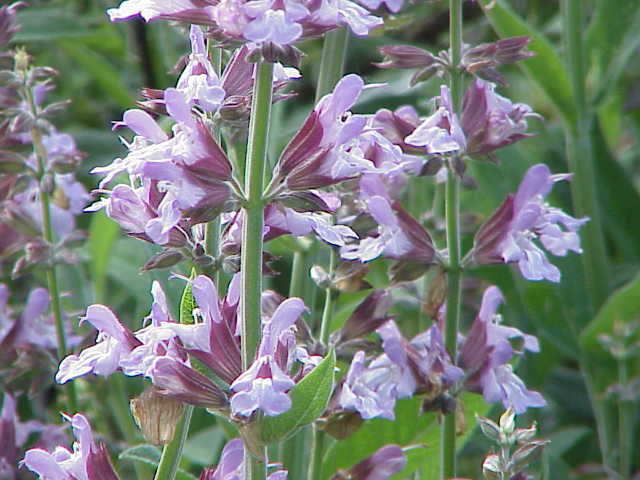 🇮🇹 Italy and 2 moreCommon sage
The gray-green leaves of a Mediterranean perennial used in European roasts and traditional remedies.Leaf · Herbal and green
🇮🇹 Italy and 2 moreCommon sage
The gray-green leaves of a Mediterranean perennial used in European roasts and traditional remedies.Leaf · Herbal and green
Its cousins elsewhere
All leaf 🇭🇹 HaitiEpis
A blended flavor base of peppers, garlic, and herbs essential to Haitian cookingHot and fiery · Sharp and pungent
🇭🇹 HaitiEpis
A blended flavor base of peppers, garlic, and herbs essential to Haitian cookingHot and fiery · Sharp and pungent
 🇨🇦 CanadaMontreal steak seasoning
A dry rub of garlic, pepper, and dill for grilling meat, born in Montreal delis.Sharp and pungent · Warm and sweet-spiced
🇨🇦 CanadaMontreal steak seasoning
A dry rub of garlic, pepper, and dill for grilling meat, born in Montreal delis.Sharp and pungent · Warm and sweet-spiced
 🇬🇷 Greece and 4 moreParsley
A bright green herb from the celery family, used fresh across Europe and the Middle East.Leaf · Bitter · Herbal and green
🇬🇷 Greece and 4 moreParsley
A bright green herb from the celery family, used fresh across Europe and the Middle East.Leaf · Bitter · Herbal and green
 🇯🇵 JapanKarashiからし
A potent Japanese mustard made from brown mustard seeds, served as a sharp condiment.Seed · Hot and fiery · Sharp and pungent
🇯🇵 JapanKarashiからし
A potent Japanese mustard made from brown mustard seeds, served as a sharp condiment.Seed · Hot and fiery · Sharp and pungent