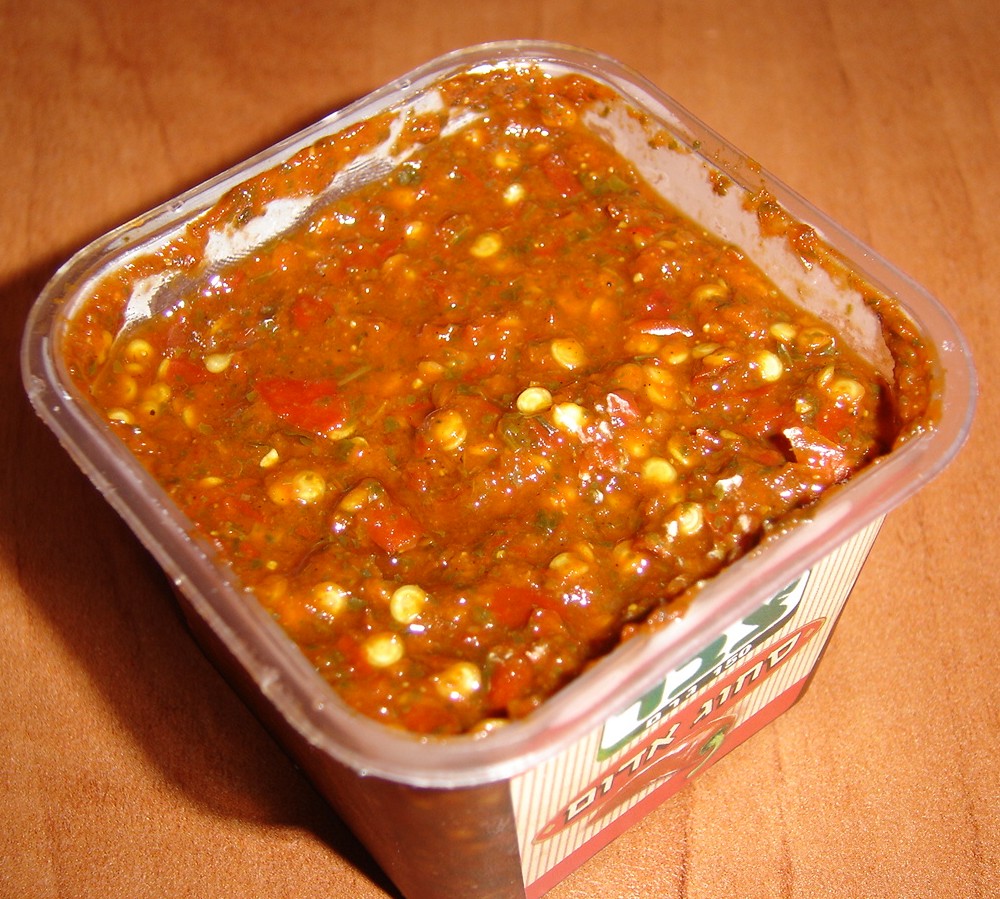
Zhug
In its own language: سحوق
A Yemeni hot sauce of crushed chilies, garlic, and coriander
Zhug is a vibrant condiment from Yemen made by crushing hot peppers with garlic and coriander seeds. It comes in green or red forms and serves as a spicy accompaniment to flatbreads, falafel, and traditional stews across the Middle East.
- Zhug means crushed in Arabic
- Made with hot peppers and garlic
- Green and red varieties exist
- Popular with Israeli falafel
- Key ingredient in saltah stew
What is Zhug?
Zhug is a liquid spice paste originating in Yemen. It consists primarily of fresh hot peppers, garlic, and coriander seeds blended with olive oil. The name derives from an Arabic root meaning to crush or pestle, reflecting its texture. Varieties include green zhug made with green peppers and red zhug made with red peppers. A brown version exists in Israel with added tomatoes. The paste is bright, oily, and intensely flavored.
Where does Zhug come from?
The condiment originates in Yemeni cuisine. It is deeply embedded in Yemeni culinary traditions. In Israel, it became popular among Jewish communities from Yemen. It is now a staple at Israeli food stalls. The word sahawiq comes from the Arabic root for crushing. This describes the traditional preparation method using stones.
What does Zhug taste like?
The taste is defined by heat from capsaicin-rich peppers like bird's eye chilies. Garlic provides a sharp, pungent bite. Coriander seeds add an earthy, citrus-like note. Olive oil carries these flavors smoothly. Some recipes include lemon juice for acidity. Black cumin or cardamom may add warmth. The overall profile is hot, fresh, and aromatic.
How Zhug is grown and processed
Peppers are harvested fresh from plants. Garlic and coriander are gathered from gardens. Traditional cooks use two stones: a large flat marha' and a smaller wdi for crushing. Modern methods use mortars or food processors. Ingredients are mixed with olive oil until smooth. Lemon juice or parsley may be added during processing.
Zhug, drawn
How Zhug is used
Zhug is served as a condiment with meals. It accompanies falafel and shawarma stands in Israel. It is spread on hummus or eaten with flatbread. In Yemen, it is a key ingredient in saltah stew. It can be mixed with cheese or dried fish like wazif. Cooks use it to add heat and flavor to everyday dishes.
Zhug in the world's kitchens
Yemeni cuisine uses it as a daily staple. Israeli cuisine adopted it widely after immigration. It is known as skhug in Hebrew contexts. Red and green versions suit different tastes. The condiment bridges traditional Yemeni cooking with modern Israeli street food culture.
At a glance: where it turns up
By meal


Spiritual and ceremonial use
No specific religious rituals involve this spice. It is not tied to sacred offerings or dietary laws. It is simply a food item consumed by all groups.
Zhug at celebrations
It is not linked to specific festivals or weddings. It is used in everyday cooking rather than special ceremonies. No holiday traditions center around its preparation.
Traditional and medicinal use
Traditional medicine does not highlight this condiment. No folk remedies are associated with it. It is valued only for its culinary heat and flavor.
Buying and storing Zhug
Sources do not specify storage methods. Shelf life details are absent. Buyers should look for fresh ingredients when purchasing.
What to use instead of Zhug
Pesto is semantically similar due to the crushing method. However, zhug uses chilies instead of basil. No direct substitutes are listed. Cooks might use other chili pastes in its place.
The trade in Zhug
Yemen remains the primary source of the condiment. Trade routes brought it to Israel. It is now widely available in Middle Eastern markets. Adulteration is not discussed.
Meal
It is common at street-food stalls serving falafel. It appears at lunch and dinner tables. People eat it with bread or rice. It is also found at snack counters. The paste adds spice to quick meals and casual dining occasions.
Questions people ask about Zhug
What is zhug?
Zhug is a Yemeni hot sauce made from crushed chilies, garlic, and coriander. It is served as a condiment with bread, falafel, and stews. Green and red versions are common.
Where does zhug come from?
It originates in Yemen. It is a staple of Yemeni cuisine. It became popular in Israel through Yemeni Jewish communities. It is now found throughout the Middle East.
How hot is zhug?
Zhug is very hot. It uses bird's eye chilies or jalapeños. The heat level depends on the peppers used. It provides a strong spicy kick to food.
What is the difference between green and red zhug?
Green zhug uses green peppers. Red zhug uses red peppers. Brown zhug includes tomatoes. Both are equally spicy but differ in color and mild fruit notes.
Good reading and sources
- Zhug on WikipediaEncyclopedia
- More photos on Wikimedia CommonsPhotos and video
- Wikidata recordOpen data
The facts on this page come from the Wikipedia article "Zhug", written by its contributors and used under the CC BY-SA 4.0 licence, and from its Wikidata record (CC0). EveryMasala rewrote the text in its own words, with AI assistance, and compares every page with the article to make sure no passage is copied. It may be reused under the same CC BY-SA 4.0 licence with a link back.
It may contain mistakes. Names, strengths and customs differ from one grower, kitchen or shop to the next. Traditional and medicinal uses are described as tradition, never as medical advice, and none of this is a substitute for a doctor. If something is wrong, tell us. Last refreshed 2026-10-04.
More from Yemen
All the spices of Yemen 🇾🇪 Yemen and 1 moreHilbehحلبة
A frothy Yemeni condiment made from ground fenugreek seeds and waterPaste · Bitter · Earthy and deep
🇾🇪 Yemen and 1 moreHilbehحلبة
A frothy Yemeni condiment made from ground fenugreek seeds and waterPaste · Bitter · Earthy and deep
 🇾🇪 Yemen and 1 moreHawaijحوايج
A ground Yemeni spice blend used for soups, coffee, and everyday cooking.Warm and sweet-spiced · Earthy and deep
🇾🇪 Yemen and 1 moreHawaijحوايج
A ground Yemeni spice blend used for soups, coffee, and everyday cooking.Warm and sweet-spiced · Earthy and deep
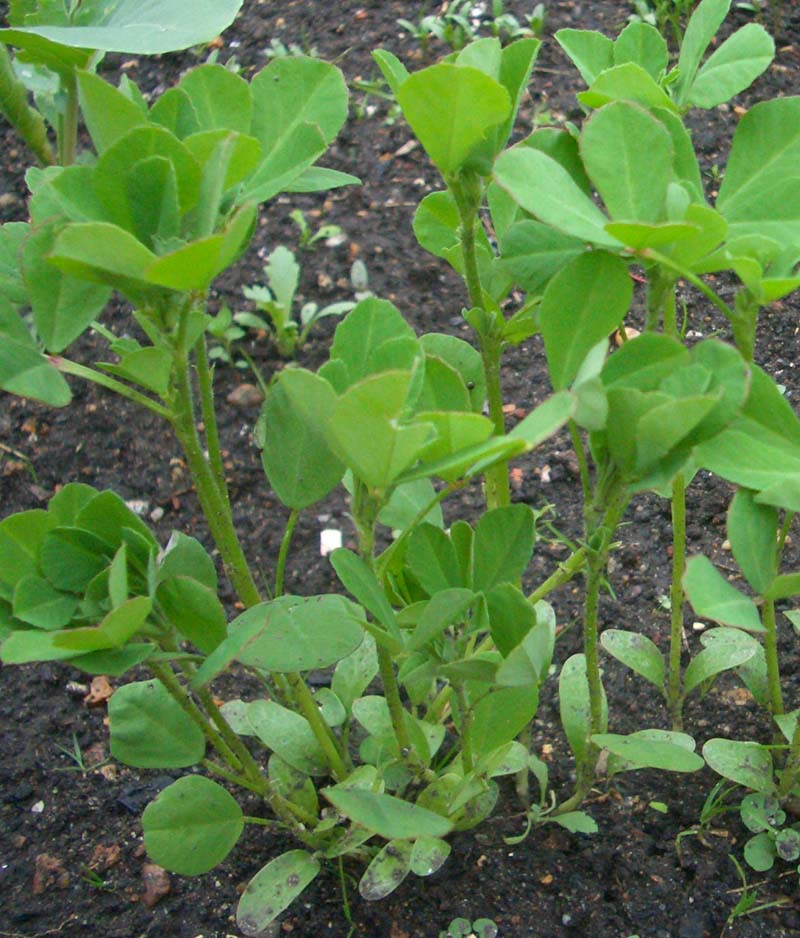 🇮🇳 India and 5 moreFenugreekحلبة (hilba)
The cuboid seed of an annual legume, prized for its bitter warmth and maple aroma.Seed · Bitter · Warm and sweet-spiced
🇮🇳 India and 5 moreFenugreekحلبة (hilba)
The cuboid seed of an annual legume, prized for its bitter warmth and maple aroma.Seed · Bitter · Warm and sweet-spiced
Its cousins elsewhere
 🇯🇵 JapanShichimi七味唐辛子
A Japanese seven-ingredient spice blend for finishing soups and noodlesBlend · Hot and fiery · Citrus and bright
🇯🇵 JapanShichimi七味唐辛子
A Japanese seven-ingredient spice blend for finishing soups and noodlesBlend · Hot and fiery · Citrus and bright
 🇮🇳 India and 4 moreCurry paste
A blended mixture of spices and aromatics used as the base for curries in Asia.Warm and sweet-spiced · Earthy and deep
🇮🇳 India and 4 moreCurry paste
A blended mixture of spices and aromatics used as the base for curries in Asia.Warm and sweet-spiced · Earthy and deep
 🇭🇹 HaitiEpis
A blended flavor base of peppers, garlic, and herbs essential to Haitian cookingHot and fiery · Sharp and pungent
🇭🇹 HaitiEpis
A blended flavor base of peppers, garlic, and herbs essential to Haitian cookingHot and fiery · Sharp and pungent
 🇳🇬 NigeriaYaji
A spicy rub from Nigeria made with chili, ginger, and ground peanuts.Blend · Hot and fiery · Earthy and deep
🇳🇬 NigeriaYaji
A spicy rub from Nigeria made with chili, ginger, and ground peanuts.Blend · Hot and fiery · Earthy and deep