
Yongfeng chili sauce
In its own language: 永丰辣酱
A fermented paste of peppers, rice and wheat from Hunan province, one of the region's three treasures.
Yongfeng chili sauce is a traditional fermented condiment made in Shuangfeng County, Hunan, China. It combines red peppers with glutinous rice, wheat and soybeans to create a dark red, spicy and sweet paste used to season local dishes.
- Made in Shuangfeng County, Hunan, since the Ming dynasty.
- Recognized as a Geographical Indication Product in China.
- One of the 'Hunan Sanbao' or three treasures of the region.
- Fermented in the sun for about forty days after the Dragon Boat Festival.
- Contains peppers, glutinous rice, wheat and soybeans.
What is Yongfeng chili sauce?
This product is a thick, translucent reddish-brown sauce with an amber luster. It is classified as a paste or wet ground mixture rather than a single dry spice. The texture is smooth yet substantial, carrying the weight of its grain content. The aroma is distinct, blending the sharp scent of fresh peppers with the nutty fragrance of wheat. The taste profile balances a mellow sweetness against a direct spicy heat. It serves as a foundational seasoning in regional cooking, adding both colour and depth to meals. Unlike simple chilli oils, this sauce has body and complexity derived from its multi-ingredient fermentation process.
Where does Yongfeng chili sauce come from?
Production began in the Yongfeng area during the Ming dynasty, specifically under the reign of the Chongzhen Emperor. This history spans more than three centuries of continuous local manufacture. The sauce is deeply tied to the geography of Shuangfeng County in Hunan province. It is celebrated alongside Xiangtan lotus seeds and Changsha stinky tofu as one of the 'Hunan Sanbao' or three treasures of the region. In 2007, the Chinese government officially recognized it as a Geographical Indication Product, protecting its specific methods and origin.
What does Yongfeng chili sauce taste like?
The primary sensation is a clear spicy heat derived from Yongfeng red peppers, bell peppers, or horn peppers. This heat is balanced by a noticeable sweetness coming from the glutinous rice and wheat components. The fermentation process develops a complex umami depth from the soybeans. The overall flavour is described as mellow rather than aggressively biting. The aroma highlights the pepper notes mixed with the toasted smell of the grains. The combination creates a rich, savoury profile that enhances other ingredients without overwhelming them.
How Yongfeng chili sauce is grown and processed
Annual production starts after the Dragon Boat Festival when the rainy season ends. Fresh peppers are selected along with polished glutinous rice, wheat and soybeans. These ingredients are boiled, ground and mixed with salt. The mixture undergoes natural fermentation in open containers set directly in the sun. This exposure lasts for about forty days until the sauce turns dark red and releases its full aroma. Traditional home cooks rely on strong summer sunshine near Shuangfeng county. Industrial producers now sometimes use temperature-controlled fermentation to guarantee consistency.
Yongfeng chili sauce, drawn
How Yongfeng chili sauce is used
The sauce is used as a condiment and cooking base in Hunan cuisine. It can be added to stir-fries, steamed dishes and noodle soups to provide heat and colour. Home cooks often adjust the ratio of peppers to grains based on family preference. Some villages add local vegetables like sword beans to their specific recipes. It is commonly served with street food and daily meals. The paste is also eaten as a dip for tofu or vegetables. Its versatility allows it to function as both a finishing garnish and a primary cooking ingredient.
Yongfeng chili sauce in the world's kitchens
Hunan cuisine relies heavily on this sauce for its characteristic heat and depth. It distinguishes the regional style from other Chinese provinces through its unique grain-based fermentation. Local producers in Shuangfeng County maintain the traditional methods passed down through generations. The sauce is integral to the identity of Hunan food culture. It is recognized nationally within China as a key component of the region's culinary heritage. Other regions do not typically replicate this specific grain-pepper blend.
At a glance: where it turns up

Spiritual and ceremonial use
There are no specific religious rituals or offerings associated with this sauce. It is not used in temple ceremonies or sacred dietary laws. Its significance is cultural and economic rather than spiritual. The production process is tied to agricultural cycles and seasonal weather patterns. Families take pride in their inherited recipes as a form of cultural heritage. However, it does not hold a place in Buddhist, Taoist or folk religious practices.
Yongfeng chili sauce at celebrations
The sauce is not linked to specific festivals, weddings or harvest celebrations. It is considered a daily essential rather than a ceremonial item. Production begins after the Dragon Boat Festival, but the sauce itself is not part of the festival feast. It is consumed regularly in homes and markets throughout the year. There are no special occasions where it is exclusively served. Its presence is constant in the local diet rather than intermittent.
Traditional and medicinal use
Traditional medicine does not attribute specific healing properties to this sauce. It is viewed purely as a food item and condiment. Some families believe the quality depends on the weather and sunshine exposure. There are no documented folk remedies using this paste. Safety notes regarding consumption are limited to general advice about spice tolerance. The sauce is safe for general consumption by those who enjoy spicy food.
Buying and storing Yongfeng chili sauce
The sauce should be kept in cool, dry conditions to maintain its quality. Commercial versions often come in sealed jars to prevent spoilage. Home-produced batches were traditionally stored in ceramic tanks. The fermentation process stabilizes the sauce, allowing it to last for extended periods. Refrigeration is recommended after opening to preserve the fresh pepper aroma. Look for a dark red colour and clear aroma when selecting a jar.
What to use instead of Yongfeng chili sauce
No direct substitute replicates the exact grain-pepper balance. Sambal oelek provides heat but lacks the sweetness and thickness. Gochujang offers a similar fermented profile but uses different spices. Simple chilli oil cannot replace the body and complexity. Cooks may mix chilli paste with rice vinegar and sugar to approximate the flavour. However, the unique taste of Yongfeng peppers remains irreplaceable.
The trade in Yongfeng chili sauce
Sales revenues reached nearly 100 million yuan in 2000. By 2009, over 100 enterprises produced the sauce in Shuangfeng County. Three companies had annual capacities exceeding 2,000 tons. The geographical indication status protects the name and method from imitation. The trade is largely domestic, focusing on the Chinese market. The industry supports local agriculture by purchasing fresh peppers and grains.
Meal
This sauce appears across various dining occasions in Hunan. It is a staple at dinner tables, accompanying rice and vegetable dishes. Street vendors use it to season fast food and snack items. It is also found in preserved foods and pickles where its acidity and heat aid preservation. While not typically a breakfast item, it may accompany morning congee in some households. It is rarely used in desserts or sweet drinks. Its role is primarily savoury, enhancing lunch and dinner plates with robust flavour.
Questions people ask about Yongfeng chili sauce
What is Yongfeng chili sauce?
It is a traditional fermented paste from Hunan, China. It mixes red peppers with glutinous rice, wheat and soybeans. The result is a dark red, spicy and sweet condiment used in local cooking.
Where does it come from?
It originates in Yongfeng, Shuangfeng County, Hunan province. Production has occurred there for over three hundred years since the Ming dynasty. It is protected as a Geographical Indication Product.
How does it taste?
The sauce is spicy with a mellow sweetness. It has a nutty aroma from the wheat and rice. The heat comes from fresh peppers, balanced by the fermentation of soybeans and grains.
How is it made?
Peppers, rice, wheat and soybeans are boiled and ground. Salt is added, then the mix ferments in open containers in the sun for forty days. This process creates its distinctive colour and flavour.
What is it used for?
It seasons stir-fries, noodles and steamed dishes in Hunan cuisine. It adds heat and colour to daily meals. Street vendors use it as a dipping sauce or topping for snacks and fast food.
Good reading and sources
The facts on this page come from the Wikipedia article "Yongfeng chili sauce", written by its contributors and used under the CC BY-SA 4.0 licence, and from its Wikidata record (CC0). EveryMasala rewrote the text in its own words, with AI assistance, and compares every page with the article to make sure no passage is copied. It may be reused under the same CC BY-SA 4.0 licence with a link back.
It may contain mistakes. Names, strengths and customs differ from one grower, kitchen or shop to the next. Traditional and medicinal uses are described as tradition, never as medical advice, and none of this is a substitute for a doctor. If something is wrong, tell us. Last refreshed 2026-10-04.
More from China
All the spices of China 🇨🇳 ChinaMala麻辣
A fiery, tongue-numbing Chinese seasoning of Sichuan pepper and chilliesPaste · Hot and fiery · Numbing and tingling
🇨🇳 ChinaMala麻辣
A fiery, tongue-numbing Chinese seasoning of Sichuan pepper and chilliesPaste · Hot and fiery · Numbing and tingling
 🇯🇵 Japan and 3 moreWasabiわさび
The pungent rhizome of a stream-side plant, grated fresh for sushi.Paste · Sharp and pungent · Hot and fiery
🇯🇵 Japan and 3 moreWasabiわさび
The pungent rhizome of a stream-side plant, grated fresh for sushi.Paste · Sharp and pungent · Hot and fiery
 🇨🇳 China and 2 moreChinese prickly-ash
A thorny East Asian shrub whose reddish berries yield Sichuan pepperFruit
🇨🇳 China and 2 moreChinese prickly-ash
A thorny East Asian shrub whose reddish berries yield Sichuan pepperFruit
 🇨🇳 China and 5 moreSichuan pepper花椒 (huājiāo)
The dried husk of Zanthoxylum fruit, prized for its citrus scent and electric numbness.Fruit · Citrus and bright · Sharp and pungent
🇨🇳 China and 5 moreSichuan pepper花椒 (huājiāo)
The dried husk of Zanthoxylum fruit, prized for its citrus scent and electric numbness.Fruit · Citrus and bright · Sharp and pungent
Its cousins elsewhere
All paste 🇮🇳 IndiaChammanthi podi
A dry coconut and spice condiment from Kerala that preserves fresh chutney for months.Hot and fiery · Earthy and deep
🇮🇳 IndiaChammanthi podi
A dry coconut and spice condiment from Kerala that preserves fresh chutney for months.Hot and fiery · Earthy and deep
 🇲🇽 Mexico and 5 morePaprika
A red powder made from dried Capsicum annuum peppers, used to colour and flavour dishes across Europe and the Middle EasSeed · Sweet and mellow · Hot and fiery
🇲🇽 Mexico and 5 morePaprika
A red powder made from dried Capsicum annuum peppers, used to colour and flavour dishes across Europe and the Middle EasSeed · Sweet and mellow · Hot and fiery
 🇺🇸 United StatesCarolina Reaper
A gnarled red cultivar of Capsicum chinense bred in South Carolina for extreme heat.Chilli · Hot and fiery · Sweet and mellow
🇺🇸 United StatesCarolina Reaper
A gnarled red cultivar of Capsicum chinense bred in South Carolina for extreme heat.Chilli · Hot and fiery · Sweet and mellow
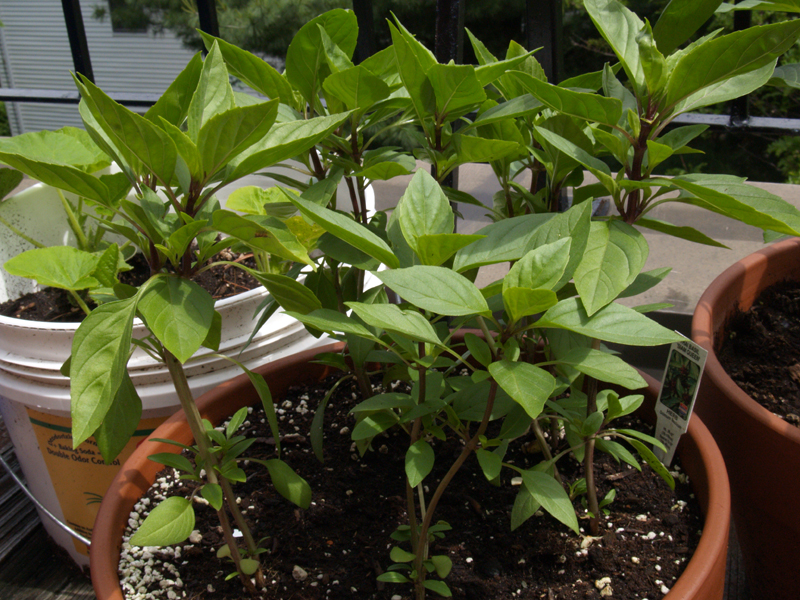 🇹🇭 Thailand and 3 moreThai basilโหระพา
A Southeast Asian herb with purple stems and anise notes, used in curries and soups.Leaf · Anise and liquorice · Hot and fiery
🇹🇭 Thailand and 3 moreThai basilโหระพา
A Southeast Asian herb with purple stems and anise notes, used in curries and soups.Leaf · Anise and liquorice · Hot and fiery