Jewish: spices in ritual
Besamim at Havdalah, spices of the Passover and Sabbath tables, and the spice trade of the diaspora.
Jewish tradition uses spice in the home and the synagogue, most visibly in the fragrant spices of the Havdalah ceremony, and in the food of communities from Yemen to Eastern Europe.
Havdalah and besamim
At the end of the Sabbath, many Jews recite Havdalah, a blessing over wine, a braided candle and a box of fragrant spices, called besamim. Cloves, cinnamon, myrtle and other sweet-scented plants are used, and are smelled as the Sabbath departs. The custom is described as a comfort at the close of the day of rest.
Festival and everyday foods
Passover seders feature charoset, a mixture of fruit, nuts, wine and spices such as cinnamon and ginger, and maror, the bitter herb. At Rosh Hashanah, foods are eaten for a sweet year. Hanukkah is marked with fried foods, and Purim with filled pastries.
Communities and kitchens
Yemenite Jews cook with hawaij and zhug, Moroccan Jews with ras el hanout and preserved lemon, Iraqi Jews with baharat and amba, and Ashkenazi Jews with paprika, black pepper, dill and caraway. All follow the dietary laws of kashrut, which each household keeps in its own way.
Jewish on EveryMasala
The spices written up so far, best known first.
 🇬🇷 Greece and 4 moreParsley
A bright green herb from the celery family, used fresh across Europe and the Middle East.Leaf · Bitter · Herbal and green
🇬🇷 Greece and 4 moreParsley
A bright green herb from the celery family, used fresh across Europe and the Middle East.Leaf · Bitter · Herbal and green
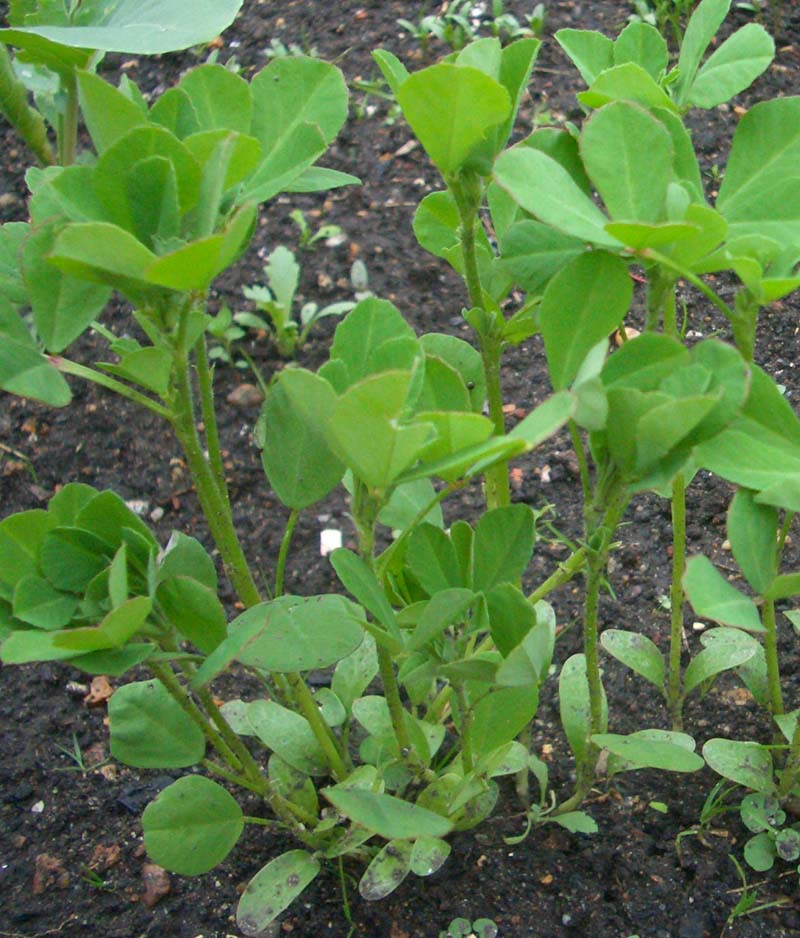 🇮🇳 India and 5 moreFenugreekحلبة (hilba)
The cuboid seed of an annual legume, prized for its bitter warmth and maple aroma.Seed · Bitter · Warm and sweet-spiced
🇮🇳 India and 5 moreFenugreekحلبة (hilba)
The cuboid seed of an annual legume, prized for its bitter warmth and maple aroma.Seed · Bitter · Warm and sweet-spiced
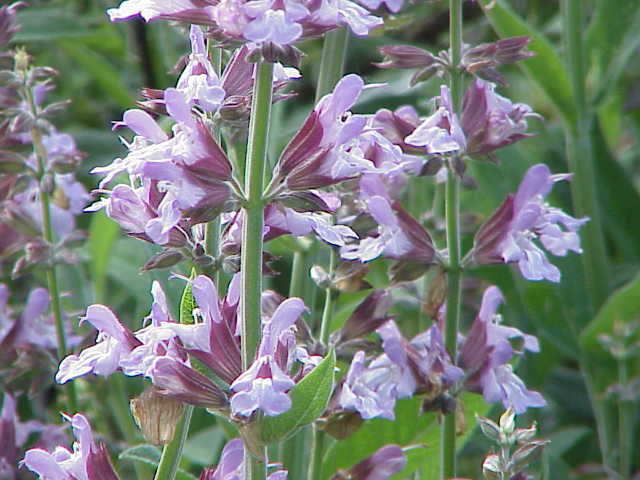 🇮🇹 Italy and 2 moreCommon sage
The gray-green leaves of a Mediterranean perennial used in European roasts and traditional remedies.Leaf · Herbal and green
🇮🇹 Italy and 2 moreCommon sage
The gray-green leaves of a Mediterranean perennial used in European roasts and traditional remedies.Leaf · Herbal and green
Photo credits on this page
The small pictures above come from Wikimedia Commons under free licences. Some are cropped to fit.
- Parsley: H. Zell, CC BY-SA 3.0, source
- Fenugreek: Yak, CC BY-SA 3.0, source
- Common sage: Kurt Stüber [1], CC BY-SA 3.0, source