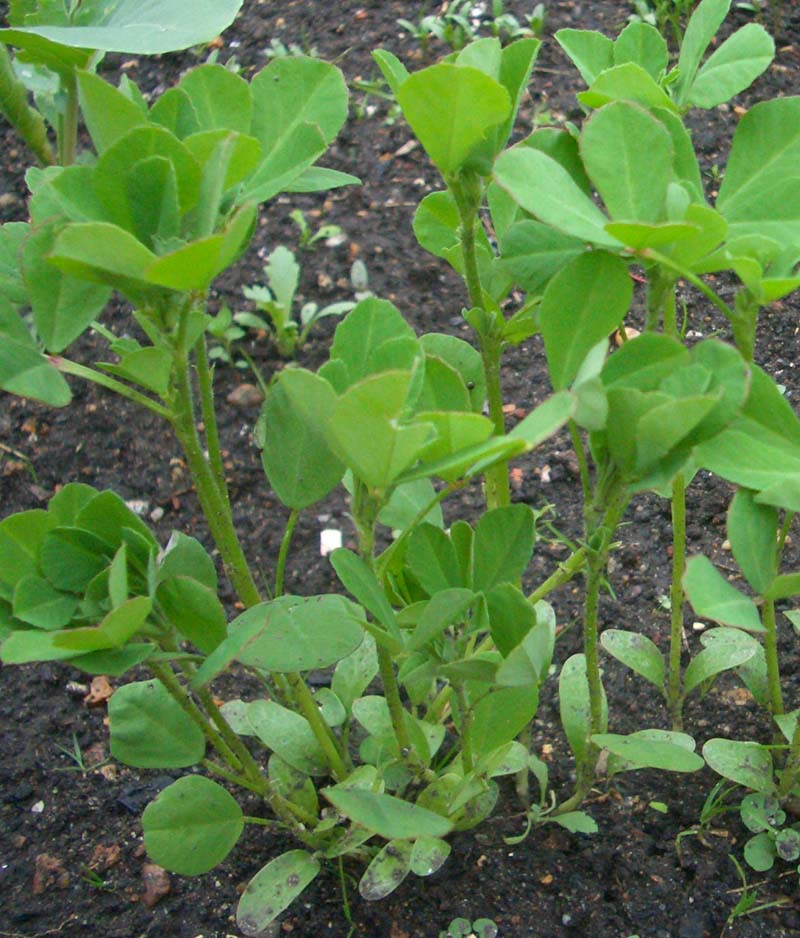
Fenugreek
In its own language: حلبة (hilba)
Trigonella foenum-graecum
The cuboid seed of an annual legume, prized for its bitter warmth and maple aroma.
An annual plant from the Near East, fenugreek yields yellow-brown seeds that taste bitter and warm with a distinct maple syrup note. It is a staple in Indian, Middle Eastern, and North African cooking, used whole or ground to season curries, breads, and cured meats.
- Seeds smell like maple syrup due to sotolon.
- India produces over 80% of the world's supply.
- Used to coat dried beef in basturma and pastirma.
- Found in Tutankhamun's tomb.
- Eaten ceremonially during Rosh Hashana.
What is Fenugreek?
Fenugreek is an annual legume native to the Near East. The plant features small, three-part leaves and produces long pods containing hard, cuboid seeds. These seeds range from pale yellow to deep amber. When dry, they have a sharp, bitter bite. When roasted or soaked, they release a sweet scent often compared to maple syrup or caramel. This unique smell comes from a compound called sotolon. The fresh leaves are green and tender, while the dried seeds are hard and angular.
Where does Fenugreek come from?
Archaeological finds suggest fenugreek was cultivated in the Near East thousands of years ago. Charred seeds have been found at Tell Halal in Iraq, dating back to 4000 BC. Desiccated seeds were also discovered in the tomb of Tutankhamun in Egypt. Ancient Romans grew it to feed cattle, and Jewish texts from the first century mention it as a staple food in Galilee. Its English name means "Greek hay," reflecting its early use as fodder.
What does Fenugreek taste like?
The primary taste of fenugreek seeds is intensely bitter. Roasting the seeds triggers Maillard browning, which reduces bitterness and brings out nutty, warm notes. The aroma is dominated by sotolon, which smells like maple syrup in low concentrations but can resemble curry powder when concentrated. The leaves offer a milder, grassy green flavor without the strong sweetness of the seeds.
How Fenugreek is grown and processed
Fenugreek thrives in semiarid climates and is grown worldwide. India is the largest producer, with over eighty percent coming from Rajasthan. The plants are annuals, meaning they complete their life cycle in one year. Farmers harvest the seeds when the pods dry on the vine. The leaves can be picked fresh or dried for use as a herb. Processing involves cleaning the hard seeds and sometimes roasting them to modify the flavor profile before grinding.
Fenugreek, drawn
How Fenugreek is used
Cooking with fenugreek requires care due to its potency. Seeds are often roasted to tame their bitterness before being added to dal, vegetable dishes, and spice mixes like panch phoron. In Armenia and Turkey, ground seed paste coats dried beef to make basturma or pastirma. In India, fresh leaves are cooked with potatoes in aloo methi. Egyptians boil seeds for a home drink or mix them into bread. Palestinians use them in hilbeh relish, while Iranians add leaves to herb stews and soups.
Fenugreek in the world's kitchens
Fenugreek is central to South Asian, Middle Eastern, and North African cuisines. Indian cooks use it extensively in spice blends and lentil dishes. Iranian cuisine incorporates the leaves into ghormeh sabzi and kuku sabzi. Egyptian cooks use it in aish merahrah bread and as a beverage. Armenian and Turkish cuisines rely on it for curing meat. Ethiopian and Eritrean cooks use the seeds and sprouts in everyday cooking. Georgian cuisine uses a related blue variety.
At a glance: where it turns up
Spiritual use
Celebrations


Spiritual and ceremonial use
In Yemenite Jewish tradition, fenugreek holds ritual significance. It is identified with the Talmudic rubia. A special relish made from ground seeds, turmeric, and lemon juice is served during the meal of the first or second night of Rosh Hashana. The preparation involves mixing the seeds with water until they expand and froth, creating a dish reminiscent of curry that marks the holy day.
Fenugreek at celebrations
The spice is tied to Rosh Hashana, the Jewish New Year. Yemenite Jews prepare a specific ceremonial dish using fenugreek seeds mixed with spices and lemon juice. This relish is eaten during the holiday meals. The expansion of the seeds when soaked symbolizes growth and prosperity. It is also part of daily hospitality in some regions, where the seed drink is offered to guests.
Traditional and medicinal use
Fenugreek has a long history in traditional medicine systems. It was once used to increase milk supply in nursing mothers and to treat diabetes. However, no high-quality clinical evidence supports these uses. Traditional practices also used it for inflammation and dysmenorrhea. Safety notes warn that it may cause allergic reactions, especially in those allergic to peanuts or chickpeas. It can also interact with blood-thinning medications and diabetes drugs.
Buying and storing Fenugreek
Dried seeds should be kept in airtight containers away from light and moisture to preserve their flavor. Whole seeds last longer than ground powder. Fresh leaves should be refrigerated and used quickly. Because the aroma is so potent, store the spice separately from other herbs to avoid cross-contamination of scents. Check for any signs of insect damage or moisture before storage.
What to use instead of Fenugreek
No single spice perfectly replaces fenugreek due to its unique combination of bitter and maple notes. For the bitter kick in spice blends, a mix of curry powder and a pinch of sugar is sometimes suggested. For the maple aroma in baking, maple extract is used, though it lacks the savory depth. The leaves can be substituted with other bitter greens like dandelion or mustard greens in cooked dishes.
The trade in Fenugreek
India dominates global production, particularly from Rajasthan. Historically, fenugreek was traded along ancient routes connecting the Near East, Egypt, and Europe. Cato the Elder noted its cultivation for animal feed in Roman times. Today, it is exported globally for culinary and supplement markets. Adulteration is less common than with saffron, but quality varies. The spice remains a key commodity in regional markets across the Middle East and South Asia.
Meal
This spice appears across many meals. In Yemenite Jewish tradition, a frothy relish made from soaked seeds is eaten daily and during Rosh Hashana. Egyptians consume boiled seed drinks at breakfast or in coffee shops. In Ethiopia, sprouts and seeds accompany main meals. The leaves feature in lunch and dinner curries in India and Iran. It also flavors preserves, pickles, and baked goods like Palestinian fenugreek cake.
Blends with Fenugreek
Questions people ask about Fenugreek
Why does fenugreek smell like maple syrup?
The scent comes from a chemical compound called sotolon. In low concentrations, it mimics maple syrup or caramel. In higher concentrations, it smells more like curry powder. This aroma is present in both the seeds and the leaves.
Where did fenugreek originate?
It likely originated in the Near East. Archaeologists have found charred seeds in Iraq dating to 4000 BC and desiccated seeds in Egyptian tombs. It was cultivated widely in the Mediterranean and Middle East in ancient times.
How do I reduce the bitterness of fenugreek seeds?
Roasting the seeds before using them helps significantly. Heat triggers Maillard browning, which reduces the sharp bitter taste and brings out nutty, warm flavors. Soaking seeds in water also softens them and mellows the taste.
Is fenugreek safe for everyone?
It is generally safe in food amounts. However, it may cause allergic reactions in people sensitive to peanuts or chickpeas. Pregnant women should avoid medicinal doses as it may stimulate uterine contractions. It can also interact with blood thinners and diabetes medications.
What dishes use fenugreek leaves?
Fresh leaves are used in Indian aloo methi (potato curry), Iranian ghormeh sabzi (herb stew), and Moroccan rfissa. They are also added to frittatas and soups. The leaves are milder than the seeds and provide a grassy, slightly bitter flavor.
Good reading and sources
- Fenugreek on WikipediaEncyclopedia
- More photos on Wikimedia CommonsPhotos and video
- Wikidata recordOpen data
The facts on this page come from the Wikipedia article "Fenugreek", written by its contributors and used under the CC BY-SA 4.0 licence, and from its Wikidata record (CC0). EveryMasala rewrote the text in its own words, with AI assistance, and compares every page with the article to make sure no passage is copied. It may be reused under the same CC BY-SA 4.0 licence with a link back.
It may contain mistakes. Names, strengths and customs differ from one grower, kitchen or shop to the next. Traditional and medicinal uses are described as tradition, never as medical advice, and none of this is a substitute for a doctor. If something is wrong, tell us. Last refreshed 2026-10-04.
More from India
All the spices of India 🇮🇱 Israel and 5 moreCoriander
The leaves and dried seeds of an annual Mediterranean herb used in cuisines worldwide.Leaf · Citrus and bright · Warm and sweet-spiced
🇯🇴 Jordan and 5 moreBaharatبهارات
A versatile Middle Eastern spice blend used to season meats and soups.Warm and sweet-spiced · Sharp and pungent
🇮🇱 Israel and 5 moreCoriander
The leaves and dried seeds of an annual Mediterranean herb used in cuisines worldwide.Leaf · Citrus and bright · Warm and sweet-spiced
🇯🇴 Jordan and 5 moreBaharatبهارات
A versatile Middle Eastern spice blend used to season meats and soups.Warm and sweet-spiced · Sharp and pungent
 🇩🇿 Algeria and 5 moreBlack mustard
The dark seeds of an annual plant, used whole in oil or ground into a sharp paste.Sharp and pungent · Hot and fiery
🇩🇿 Algeria and 5 moreBlack mustard
The dark seeds of an annual plant, used whole in oil or ground into a sharp paste.Sharp and pungent · Hot and fiery
 🇮🇳 India and 4 moreFennel
The anise-scented seeds and crisp bulb of a Mediterranean perennial herbSeed · Anise and liquorice · Sweet and mellow
🇮🇳 India and 4 moreFennel
The anise-scented seeds and crisp bulb of a Mediterranean perennial herbSeed · Anise and liquorice · Sweet and mellow
Its cousins elsewhere
All seed 🇱🇰 Sri Lanka and 5 moreCinnamon
The dried inner bark of Cinnamomum trees, prized for its sweet warmth and essential oil.Bark · Warm and sweet-spiced · Sweet and mellow
🇱🇰 Sri Lanka and 5 moreCinnamon
The dried inner bark of Cinnamomum trees, prized for its sweet warmth and essential oil.Bark · Warm and sweet-spiced · Sweet and mellow
 🇮🇩 Indonesia and 3 moreNutmeg
The dried seed of a tropical evergreen tree, prized for its warm, pungent flavor.Seed · Warm and sweet-spiced · Sweet and mellow
🇮🇩 Indonesia and 3 moreNutmeg
The dried seed of a tropical evergreen tree, prized for its warm, pungent flavor.Seed · Warm and sweet-spiced · Sweet and mellow
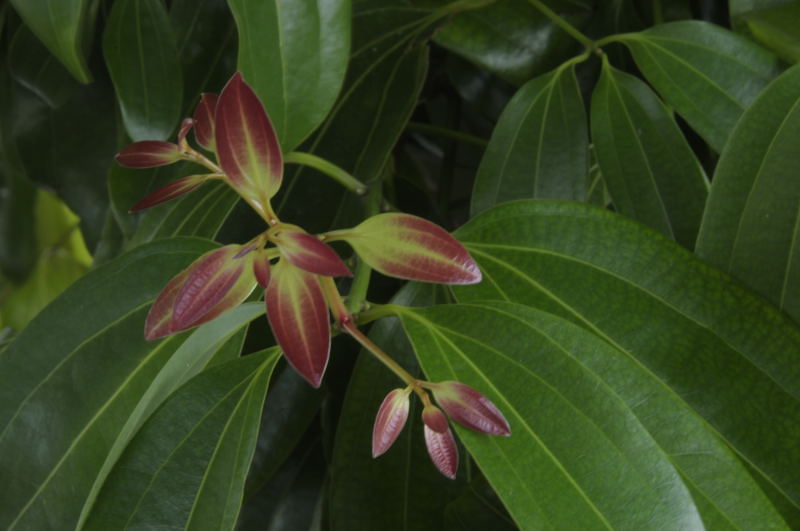 🇱🇰 Sri Lanka and 3 moreCeylon cinnamon
The inner bark of a Sri Lankan evergreen, prized for its delicate, sweet spice.Bark · Sweet and mellow · Warm and sweet-spiced
🇱🇰 Sri Lanka and 3 moreCeylon cinnamon
The inner bark of a Sri Lankan evergreen, prized for its delicate, sweet spice.Bark · Sweet and mellow · Warm and sweet-spiced
 🇲🇽 MexicoMulato pepper
A dried Mexican chilli with notes of chocolate and licoriceSweet and mellow · Warm and sweet-spiced
🇲🇽 MexicoMulato pepper
A dried Mexican chilli with notes of chocolate and licoriceSweet and mellow · Warm and sweet-spiced