Jewish: spices in ritual
Besamim at Havdalah, spices of the Passover and Sabbath tables, and the spice trade of the diaspora.
Jewish tradition uses spice in the home and the synagogue, most visibly in the fragrant spices of the Havdalah ceremony, and in the food of communities from Yemen to Eastern Europe.
Havdalah and besamim
At the end of the Sabbath, many Jews recite Havdalah, a blessing over wine, a braided candle and a box of fragrant spices, called besamim. Cloves, cinnamon, myrtle and other sweet-scented plants are used, and are smelled as the Sabbath departs. The custom is described as a comfort at the close of the day of rest.
Festival and everyday foods
Passover seders feature charoset, a mixture of fruit, nuts, wine and spices such as cinnamon and ginger, and maror, the bitter herb. At Rosh Hashanah, foods are eaten for a sweet year. Hanukkah is marked with fried foods, and Purim with filled pastries.
Communities and kitchens
Yemenite Jews cook with hawaij and zhug, Moroccan Jews with ras el hanout and preserved lemon, Iraqi Jews with baharat and amba, and Ashkenazi Jews with paprika, black pepper, dill and caraway. All follow the dietary laws of kashrut, which each household keeps in its own way.
Jewish on EveryMasala
The spices written up so far, best known first.
 🇬🇷 Greece and 4 moreParsley
A bright green herb from the celery family, used fresh across Europe and the Middle East.Leaf · Bitter · Herbal and green
🇬🇷 Greece and 4 moreParsley
A bright green herb from the celery family, used fresh across Europe and the Middle East.Leaf · Bitter · Herbal and green
 🇮🇷 Iran and 4 moreSaffronزعفران
The dried crimson stigmas of the autumn-blooming saffron crocus.Stigma · Sharp and pungent · Bitter
🇮🇷 Iran and 4 moreSaffronزعفران
The dried crimson stigmas of the autumn-blooming saffron crocus.Stigma · Sharp and pungent · Bitter
 🇬🇷 Greece and 1 moreMasticΜαστίχα
A bitter-sweet resin from the mastic tree, used in desserts and traditional medicine.Bitter · Sharp and pungent
🇬🇷 Greece and 1 moreMasticΜαστίχα
A bitter-sweet resin from the mastic tree, used in desserts and traditional medicine.Bitter · Sharp and pungent
 🇱🇾 Libya and 1 morePilpelchumaפלפלצ'ומה
A steamed chili and garlic paste from Libyan Jewish cuisine, now common in Israel.Hot and fiery · Sharp and pungent
🇱🇾 Libya and 1 morePilpelchumaפלפלצ'ומה
A steamed chili and garlic paste from Libyan Jewish cuisine, now common in Israel.Hot and fiery · Sharp and pungent
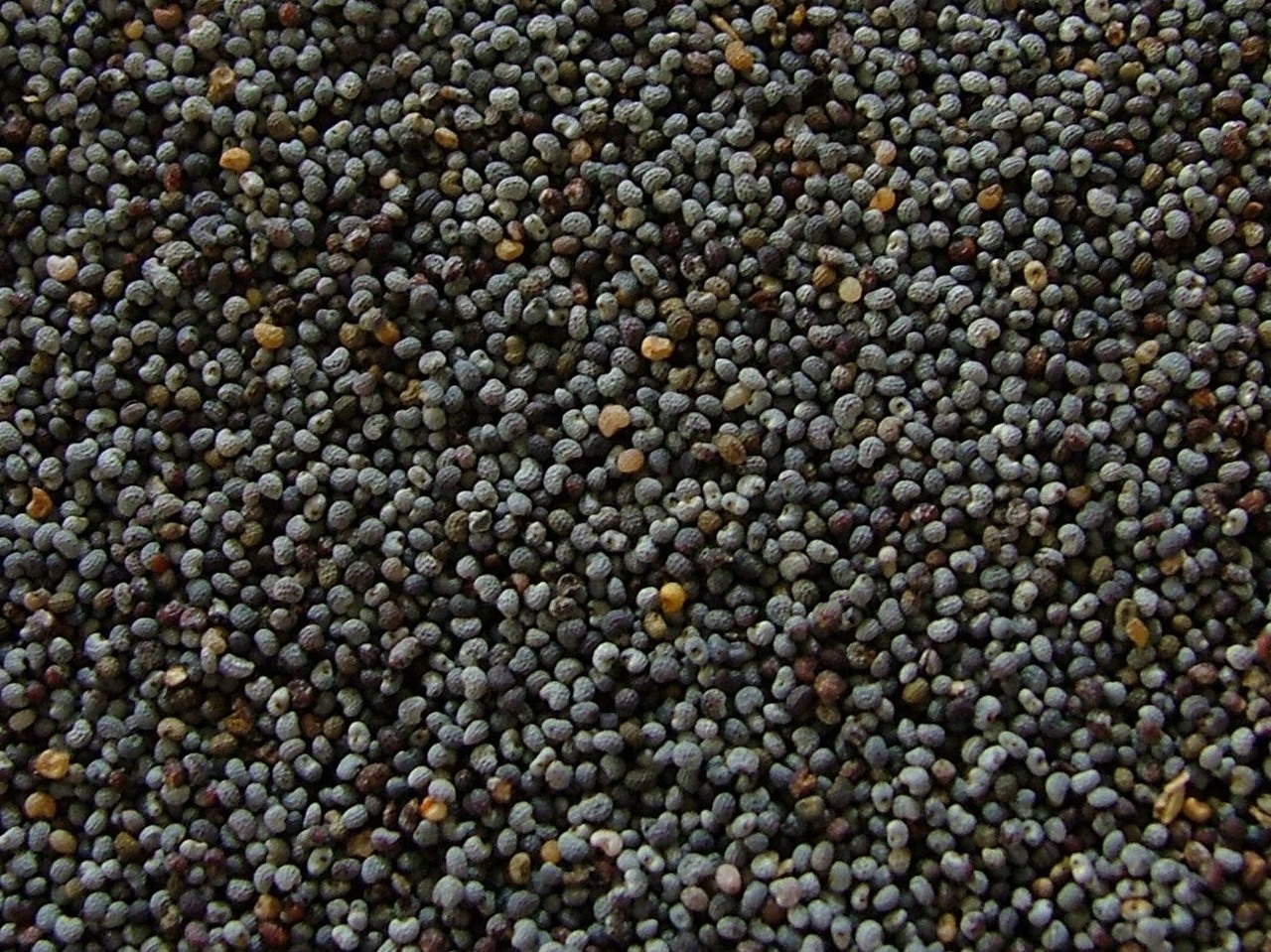 🇹🇷 Turkey and 5 morePoppy seed
The tiny kidney-shaped oilseed of the opium poppy, used in baking and cooking across Europe and South Asia.Seed · Earthy and deep
🇹🇷 Turkey and 5 morePoppy seed
The tiny kidney-shaped oilseed of the opium poppy, used in baking and cooking across Europe and South Asia.Seed · Earthy and deep
 🇱🇧 Lebanon and 5 moreZa'atarزَعْتَر
A Levantine blend of dried herbs, sumac, sesame seeds, and salt used in breads and dips.Blend · Earthy and deep · Citrus and bright
🇱🇧 Lebanon and 5 moreZa'atarزَعْتَر
A Levantine blend of dried herbs, sumac, sesame seeds, and salt used in breads and dips.Blend · Earthy and deep · Citrus and bright
 🇮🇳 India and 5 moreMustard seed
Tiny seeds from Brassica plants that become a sharp condiment or cooking oil.Seed · Sharp and pungent · Hot and fiery
🇮🇳 India and 5 moreMustard seed
Tiny seeds from Brassica plants that become a sharp condiment or cooking oil.Seed · Sharp and pungent · Hot and fiery
 🇺🇸 United StatesKosher salt
Coarse edible salt used for dry brining and general cooking, typically free of iodine.Sharp and pungent
🇺🇸 United StatesKosher salt
Coarse edible salt used for dry brining and general cooking, typically free of iodine.Sharp and pungent
 🇪🇸 Spain and 4 moreCaper
The pickled flower buds of a drought-tolerant Mediterranean shrub.Flower · Sharp and pungent · Sour and tart
🇪🇸 Spain and 4 moreCaper
The pickled flower buds of a drought-tolerant Mediterranean shrub.Flower · Sharp and pungent · Sour and tart
 🇸🇾 Syria and 5 moreSumac
A tart, crimson spice made from ground berries of the Rhus coriaria shrub.Seed · Sour and tart · Citrus and bright
🇸🇾 Syria and 5 moreSumac
A tart, crimson spice made from ground berries of the Rhus coriaria shrub.Seed · Sour and tart · Citrus and bright
 🇮🇷 Iran and 1 moreGalbanum
A bitter Persian gum resin used in ancient incense and modern green perfumesResin · Bitter · Sharp and pungent
🇮🇷 Iran and 1 moreGalbanum
A bitter Persian gum resin used in ancient incense and modern green perfumesResin · Bitter · Sharp and pungent
 🇹🇷 Turkey and 5 moreBay Laurelδάφνη
The dried leaf of a Mediterranean evergreen, used to infuse slow-cooked dishes with herbal depth.Sharp and pungent · Bitter
🇹🇷 Turkey and 5 moreBay Laurelδάφνη
The dried leaf of a Mediterranean evergreen, used to infuse slow-cooked dishes with herbal depth.Sharp and pungent · Bitter
 🇭🇺 Hungary and 5 moreHorseradish
A pungent root vegetable from Southeastern Europe used as a spicy condiment.Root · Hot and fiery · Sharp and pungent
🇭🇺 Hungary and 5 moreHorseradish
A pungent root vegetable from Southeastern Europe used as a spicy condiment.Root · Hot and fiery · Sharp and pungent
 🇮🇳 India and 1 moreIndian costusकुष्ठ (kuṣṭha)
The dried root of a Himalayan thistle, used for centuries in perfumes and traditional remedies.Root · Hot and fiery · Sharp and pungent
🇮🇳 India and 1 moreIndian costusकुष्ठ (kuṣṭha)
The dried root of a Himalayan thistle, used for centuries in perfumes and traditional remedies.Root · Hot and fiery · Sharp and pungent
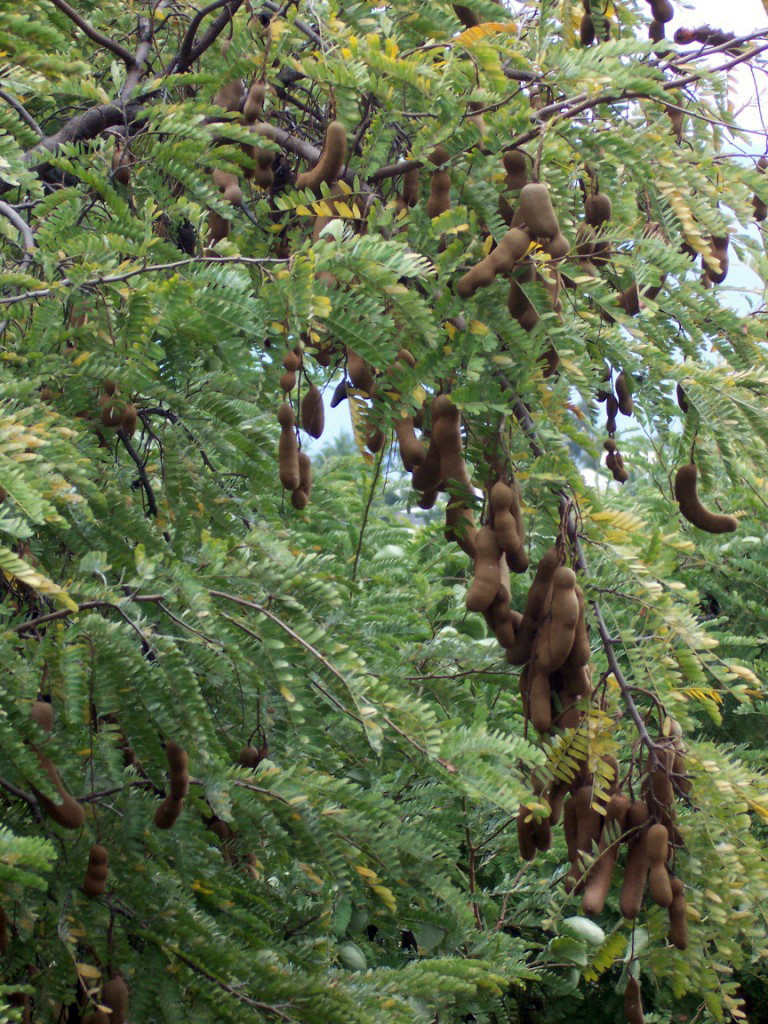 🇸🇩 Sudan and 5 moreTamarind
The sweet and sour pulp of a tropical tree pod used in sauces and drinks.Fruit · Sweet and mellow · Sour and tart
🇸🇩 Sudan and 5 moreTamarind
The sweet and sour pulp of a tropical tree pod used in sauces and drinks.Fruit · Sweet and mellow · Sour and tart
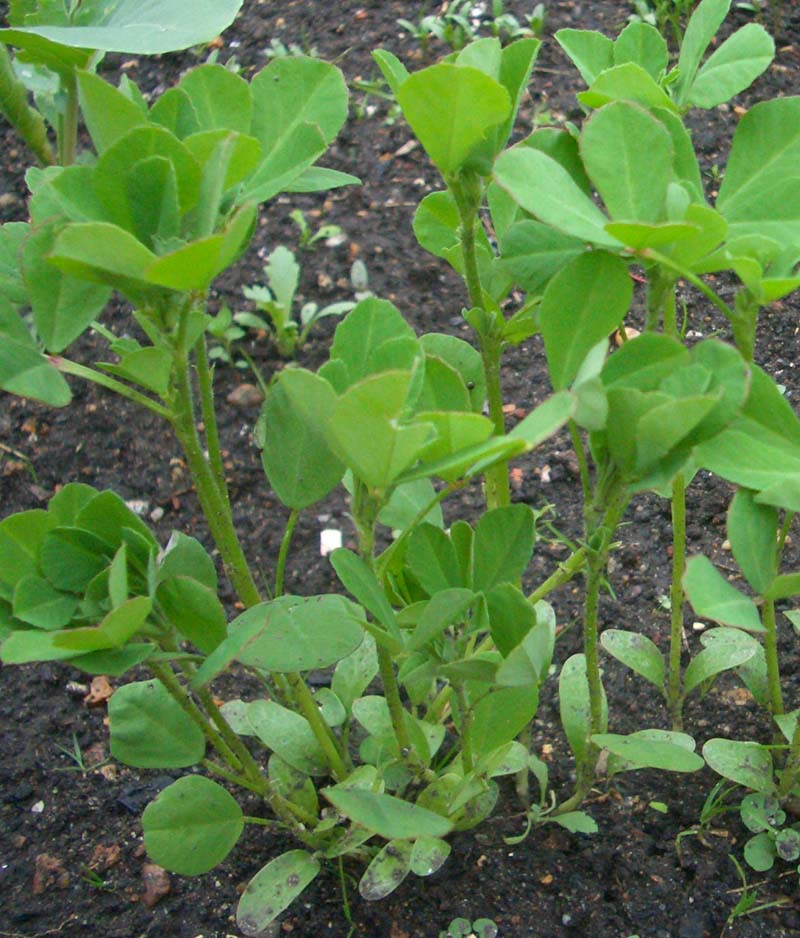 🇮🇳 India and 5 moreFenugreekحلبة (hilba)
The cuboid seed of an annual legume, prized for its bitter warmth and maple aroma.Seed · Bitter · Warm and sweet-spiced
🇮🇳 India and 5 moreFenugreekحلبة (hilba)
The cuboid seed of an annual legume, prized for its bitter warmth and maple aroma.Seed · Bitter · Warm and sweet-spiced
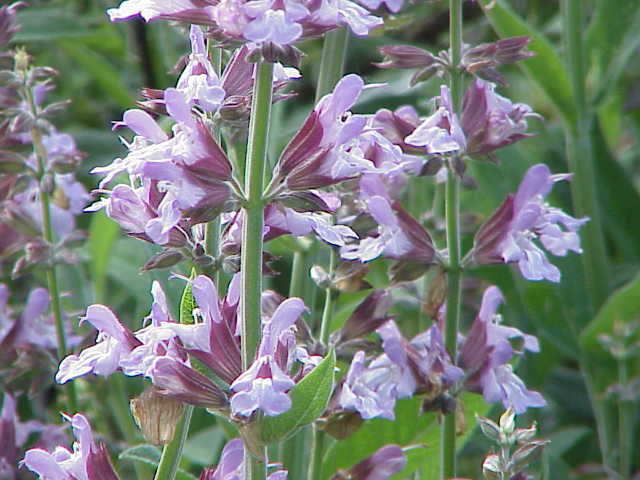 🇮🇹 Italy and 2 moreCommon sage
The gray-green leaves of a Mediterranean perennial used in European roasts and traditional remedies.Leaf · Herbal and green
🇮🇹 Italy and 2 moreCommon sage
The gray-green leaves of a Mediterranean perennial used in European roasts and traditional remedies.Leaf · Herbal and green
 🇱🇾 Libya and 5 moreWhorled savoryza'atar rumi; za'atar franji
A pungent Mediterranean shrub with dark leaves and pink flowers, used in ancient cooking and modern herbal teas.Sharp and pungent · Herbal and green
🇱🇾 Libya and 5 moreWhorled savoryza'atar rumi; za'atar franji
A pungent Mediterranean shrub with dark leaves and pink flowers, used in ancient cooking and modern herbal teas.Sharp and pungent · Herbal and green
 🇵🇸 Palestine and 4 moreSyrian oreganoزَعْتَر
The aromatic herb native to the Levant, essential for making za'atar.Warm and sweet-spiced · Herbal and green
🇵🇸 Palestine and 4 moreSyrian oreganoزَعْتَر
The aromatic herb native to the Levant, essential for making za'atar.Warm and sweet-spiced · Herbal and green
 🇮🇳 India and 5 moreMustard seed
Tiny seeds from three Brassica plants that create pungent condiments and cooking oil.Seed · Hot and fiery · Sharp and pungent
🇮🇳 India and 5 moreMustard seed
Tiny seeds from three Brassica plants that create pungent condiments and cooking oil.Seed · Hot and fiery · Sharp and pungent
Photo credits on this page
The small pictures above come from Wikimedia Commons under free licences. Some are cropped to fit.
- Parsley: H. Zell, CC BY-SA 3.0, source
- Indian costus: Vinayaraj, CC BY-SA 4.0, source
- Caper: IssamBarhoumi, CC BY-SA 4.0, source
- Horseradish: Pethan, CC BY-SA 3.0, source
- Sicilian sumac: Dedda71, CC BY-SA 3.0, source
- Pilpelchuma: מאור עטיה, CC BY-SA 4.0, source
- Mustard seed: Novalis at en.wikipedia, CC BY-SA 3.0, source
- Syrian oregano: Kippi70, CC BY-SA 3.0, source
- Galbanum: Maša Sinreih in Valentina Vivod, CC BY-SA 3.0, source
- Poppy seed: Odedr, Public domain, source
- Mastic: Unknown author, CC BY-SA 3.0, source
- Za'atar: Sjschen, CC BY 3.0, source
- Kosher salt: Lexlex, CC BY-SA 4.0, source
- Tamarind: B.navez, CC BY 2.5, source
- Fenugreek: Yak, CC BY-SA 3.0, source
- Common sage: Kurt Stüber [1], CC BY-SA 3.0, source
- Whorled savory: Marco Barberini, CC BY-SA 4.0, source
- Mustard seed: Pancrat, CC BY-SA 3.0, source
- Saffron: Hubertl, CC BY-SA 4.0, source
- Bay Laurel: Forest and Kim Starr, CC BY 3.0 us, source