🇹🇭 The spices of Thailand
24 spices from Thailand, best known first, across 2 cities, markets and growing areas.
Thai cooking balances sweet, sour, salty, and spicy flavors using fresh herbs and aromatics. It blends indigenous methods with Indian, Chinese, and Portuguese influences to create distinct regional styles.
- Seven Thai dishes ranked in CNN Travel's World's 50 Best Foods list.
- Chili peppers were introduced from the Americas via Portuguese ships.
- Royal cuisine emphasizes seasonal freshness and elaborate presentation.
- Isan cuisine closely resembles Southern Lao and Vietnamese styles.
- Sticky rice is traditionally shaped by hand and used as an edible utensil.
Spice in Thailand
The national cuisine of Thailand emphasizes lightly prepared dishes that highlight aromatic ingredients and spicy heat. Traditional food falls into four main categories: boiled soups, spicy salads, pounded foods, and curries. Techniques like stir-frying and deep-frying were adopted from Chinese neighbors. The culinary landscape shares strong ties with Cambodia, Laos, Myanmar, India, Malaysia, and Indonesia. Historical trade and diplomacy introduced new elements, including chili peppers from the Americas via Portuguese ships. Royal cuisine refined these traditions with elaborate presentation and seasonal freshness, while common households focus on practical, flavorful combinations served alongside rice.
The spices of the kitchen
Chili peppers are central to the cuisine, providing essential heat in both fresh and dried forms. Fresh turmeric is widely used, particularly in southern regions, adding color and earthy notes. Coconut milk serves as a key base for many curries, balancing spice with sweetness. Fish sauce provides saltiness, while lime juice adds acidity. Garlic and chilies form the foundation of many pastes. Other ingredients include corn, papaya, pineapple, and peanuts, which arrived during the Columbian Exchange. These items integrate seamlessly with local herbs to create complex flavor profiles.
Blends and pastes
Nam phrik consists of mashed raw or cooked chilies mixed with other ingredients to form spicy sauces or relishes. Lon is a dip enriched with coconut milk, offering a milder alternative. Khrueang chim refers to dips or relishes for vegetables, considered crucial building blocks of meals. Condiments at tables often include fish sauce, lime juice, chopped chilies, garlic, and dried chili flakes. Sweet chili sauce and sliced chilies in vinegar are also common. These mixtures allow diners to adjust flavors according to personal preference before eating.
Today
Thai cuisine remains globally recognized, with several dishes ranking among the world's best foods. Migration and trade continue to influence modern kitchens, introducing new ingredients and techniques. Protected names and cultural heritage efforts preserve traditional methods. Urban centers adapt royal and regional styles for contemporary dining. Street food culture thrives, offering accessible versions of classic dishes. International popularity drives innovation while maintaining core flavor principles.
The facts in this overview come from the Wikipedia article "Thai cuisine", written by its contributors and used under the CC BY-SA 4.0 licence. EveryMasala rewrote the text in its own words, with AI assistance, and compares every page with the article to make sure no passage is copied. It may be reused under the same CC BY-SA 4.0 licence with a link back.
Spice cities and markets of Thailand
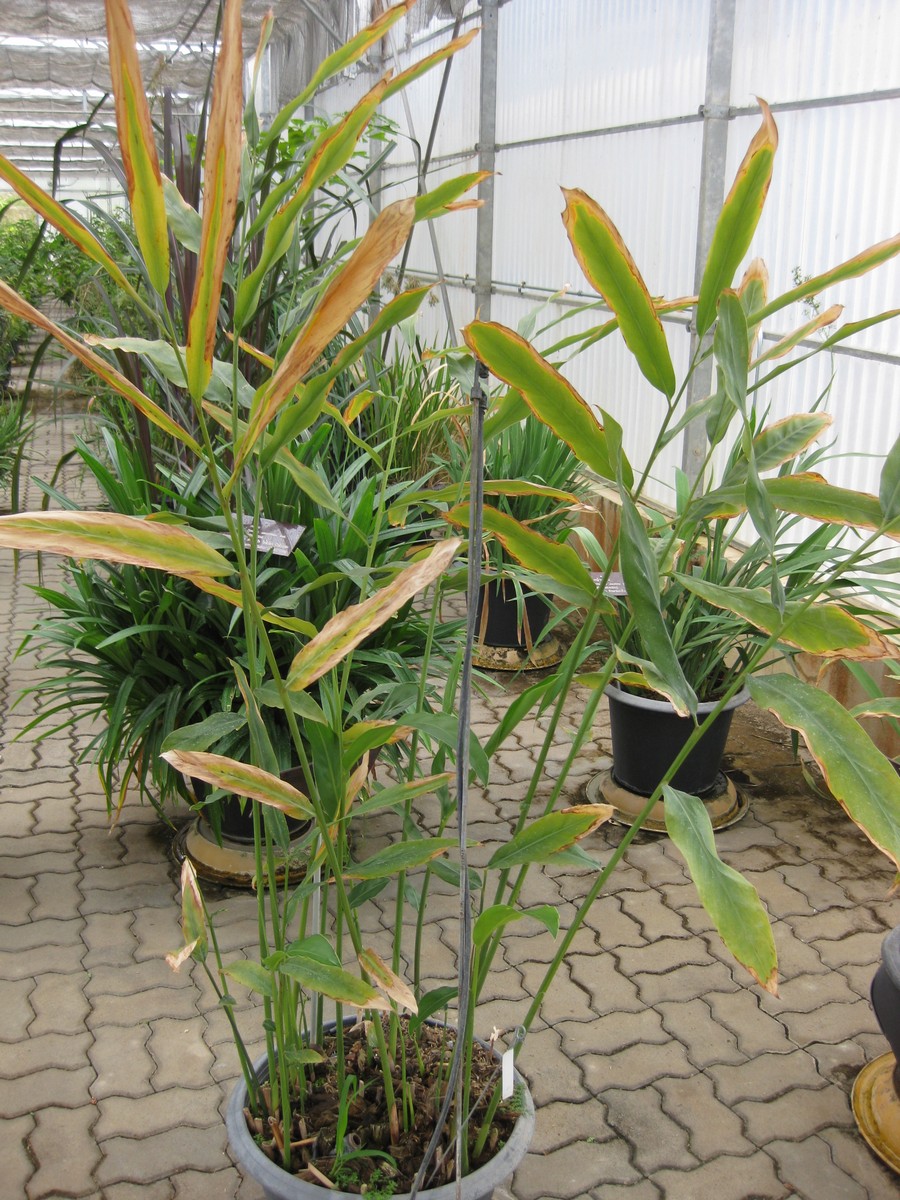 🇮🇩 Indonesia and 5 moreGreater galangalข่า
The pungent rhizome of a ginger relative, essential in Southeast Asian soups and curries.Root · Sharp and pungent · Citrus and bright
🇮🇩 Indonesia and 5 moreGreater galangalข่า
The pungent rhizome of a ginger relative, essential in Southeast Asian soups and curries.Root · Sharp and pungent · Citrus and bright
 🇮🇩 Indonesia and 2 moreLong pepper
The dried fruit spike of a climbing vine native to Java, once the world's standard heat.Fruit · Hot and fiery · Sharp and pungent
🇮🇩 Indonesia and 2 moreLong pepper
The dried fruit spike of a climbing vine native to Java, once the world's standard heat.Fruit · Hot and fiery · Sharp and pungent
 🇮🇳 India and 5 moreTurmericहल्दी
The dried rhizome of a tropical ginger relative, prized for its golden color and earthy bite.Root · Warm and sweet-spiced · Bitter
🇨🇳 China and 4 moreLesser galangal高良薑
An aromatic Asian rhizome with orange flesh and a sweet, gentle spiceRoot · Sweet and mellow · Warm and sweet-spiced
🇮🇳 India and 5 moreTurmericहल्दी
The dried rhizome of a tropical ginger relative, prized for its golden color and earthy bite.Root · Warm and sweet-spiced · Bitter
🇨🇳 China and 4 moreLesser galangal高良薑
An aromatic Asian rhizome with orange flesh and a sweet, gentle spiceRoot · Sweet and mellow · Warm and sweet-spiced
Photo credits on this page
The small pictures above come from Wikimedia Commons under free licences. Some are cropped to fit.
- Long pepper: Unknown author, CC BY-SA 3.0, source
- Turmeric: J.M.Garg, CC BY 3.0, source
- Greater galangal: Raffi Kojian, CC BY-SA 3.0, source
The weekly digest
Every Monday: seven spices you may not know, what is cooking this week, and one blend explained step by step.