Advieh
In its own language: ادویه
A fragrant blend of spices used to season rice and stews in Iranian cooking.
Advieh is a traditional spice mixture from Iran, where the word itself simply means spice. It typically contains turmeric, cinnamon, cardamom, cloves, and cumin, often enhanced with rose petals or saffron. Cooks use it to flavour rice dishes, chicken, and bean stews across the country.
- Advieh means 'spice' in Persian and 'medicine' in Arabic.
- Two types exist: one for rice (polo) and one for stews (khoresh).
- Common ingredients include turmeric, cinnamon, cardamom, and cloves.
- Rose petals or buds are a distinctive component of many blends.
- Used to season rice, chicken, and bean dishes in Iran.
What is Advieh?
Advieh is a mixed spice blend central to Iranian cooking. The name comes from Persian for spice, derived from an Arabic root meaning medicine or remedy. While recipes shift from the Persian Gulf to the Caspian Sea, the base usually includes turmeric, cinnamon, cardamom, cloves, and cumin. Rose petals or buds add a floral note, while ginger provides warmth. Some versions add nutmeg, black pepper, mace, coriander, sesame, or saffron. The powder ranges from golden yellow to deep brown depending on the dominant ingredients like turmeric or paprika-like heat sources.
Where does Advieh come from?
The term advieh originates in Iran, where it serves as the general word for spice. Its etymology links to Arabic medical terminology, reflecting historical views of spices as remedies. Variations exist based on local availability and family traditions, particularly distinguishing between uses for rice versus stews.
What does Advieh taste like?
The taste profile is warm and earthy, dominated by cinnamon, cardamom, and cloves. Turmeric adds a subtle bitterness and colour, while cumin contributes depth. Rose elements introduce a distinct floral sweetness. Ginger offers a sharp, warming bite. If saffron is included, it adds a unique hay-like aroma. The blend is generally not hot in terms of chili heat, relying instead on aromatic warmth and sweet-spicy notes.
How Advieh is grown and processed
As a blend, it is prepared by grinding dried spices together. The process involves selecting dry components like seeds, bark, and roots, then milling them into a fine powder. No specific curing or processing steps for the blend itself are mentioned beyond mixing.
Advieh, drawn
How Advieh is used
Cooks use advieh in two main ways: advieh-e polo for rice dishes and advieh-e khoresh for stews. For rice, it is often sprinkled over the cooked grains. For stews (khoresh), it is added during cooking to flavour meats like chicken or beans. It can also serve as a rub for grilled or roasted meats. Common pairings include rice, chicken, and legumes.
Advieh in the world's kitchens
Advieh is essential to Iranian cuisine. It distinguishes itself from other Middle Eastern blends by its frequent inclusion of rose petals and specific ratios of cinnamon and cardamom. Regional differences exist, with coastal areas possibly using more saffron or sesame, while northern regions might favour different herb combinations. It defines the flavour profile of many national dishes.
At a glance: where it turns up
Spiritual and ceremonial use
While the word derives from a term for medicine, there is no evidence of it being used in offerings or sacred ceremonies in the provided text.
Advieh at celebrations
It is a daily staple for cooking rather than a seasonal or ceremonial item.
Traditional and medicinal use
Historically, the word advieh relates to medicine, suggesting a traditional view of spices as health-promoting. It is treated primarily as a culinary ingredient in modern contexts.
What to use instead of Advieh
No direct substitutes are listed. However, baharat is mentioned as a related spice mix, though it may differ in composition. Cooks might approximate the flavour with a mix of cinnamon, cardamom, cloves, and rose petals if advieh is unavailable.
The trade in Advieh
Advieh is described as a domestic blend used within Iranian cuisine, without mention of international export or import dynamics.
Meal
This spice blend is primarily used for lunch and dinner. It features prominently in rice-based meals and hearty stews. It is not typically associated with breakfast, snacks, or desserts in the provided information.
Questions people ask about Advieh
What does advieh taste like?
It tastes warm, earthy, and slightly sweet, with notes of cinnamon, cardamom, and cloves. Rose petals add a floral touch, while turmeric gives it a mild bitterness and yellow colour.
Where does advieh come from?
It comes from Iran, where it is a fundamental spice blend. The name is Persian for spice, and it is used throughout the country in various regional variations.
How is advieh used in cooking?
It is used in two main forms: sprinkled over cooked rice (advieh-e polo) or added to stews and meat rubs (advieh-e khoresh). It flavours chicken, beans, and rice dishes.
What spices are in advieh?
Common ingredients include turmeric, cinnamon, cardamom, cloves, cumin, and ginger. Many blends also contain rose petals, saffron, nutmeg, or coriander.
Good reading and sources
The facts on this page come from the Wikipedia article "Advieh", written by its contributors and used under the CC BY-SA 4.0 licence, and from its Wikidata record (CC0). EveryMasala rewrote the text in its own words, with AI assistance, and compares every page with the article to make sure no passage is copied. It may be reused under the same CC BY-SA 4.0 licence with a link back.
It may contain mistakes. Names, strengths and customs differ from one grower, kitchen or shop to the next. Traditional and medicinal uses are described as tradition, never as medical advice, and none of this is a substitute for a doctor. If something is wrong, tell us. Last refreshed 2026-10-04.
More from Iran
All the spices of Iran 🇴🇲 Oman and 3 moreDried lime
Sun-dried limes from the Persian Gulf, used whole or ground to add sour depth to Middle Eastern dishes.Fruit · Sour and tart · Earthy and deep
🇴🇲 Oman and 3 moreDried lime
Sun-dried limes from the Persian Gulf, used whole or ground to add sour depth to Middle Eastern dishes.Fruit · Sour and tart · Earthy and deep
 🇮🇷 Iran and 1 moreGalbanum
A bitter Persian gum resin used in ancient incense and modern green perfumesResin · Bitter · Sharp and pungent
🇮🇷 Iran and 1 moreGalbanum
A bitter Persian gum resin used in ancient incense and modern green perfumesResin · Bitter · Sharp and pungent
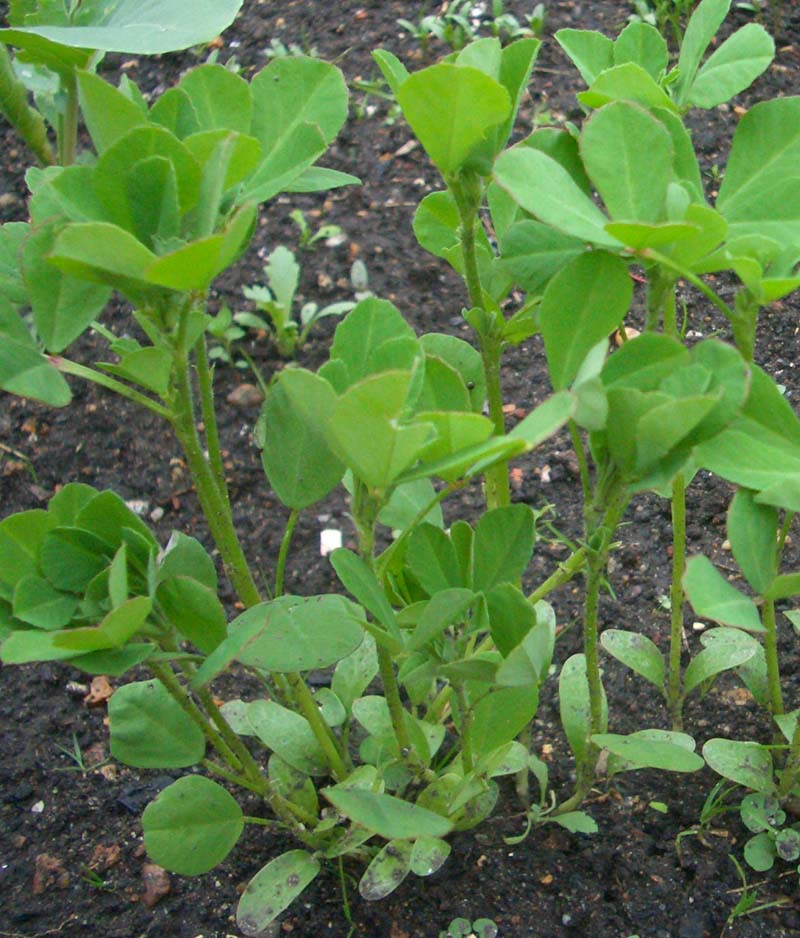 🇮🇳 India and 5 moreFenugreekحلبة (hilba)
The cuboid seed of an annual legume, prized for its bitter warmth and maple aroma.Seed · Bitter · Warm and sweet-spiced
🇮🇳 India and 5 moreFenugreekحلبة (hilba)
The cuboid seed of an annual legume, prized for its bitter warmth and maple aroma.Seed · Bitter · Warm and sweet-spiced
 🇸🇾 Syria and 5 moreSumac
A tart, crimson spice made from ground berries of the Rhus coriaria shrub.Seed · Sour and tart · Citrus and bright
🇸🇾 Syria and 5 moreSumac
A tart, crimson spice made from ground berries of the Rhus coriaria shrub.Seed · Sour and tart · Citrus and bright
Its cousins elsewhere
 🇮🇳 India and 3 moreGaram masalaगरम मसाला
A ground blend of warm spices from the Indian subcontinent used to finish curries and stews.Blend · Warm and sweet-spiced · Sharp and pungent
🇮🇳 India and 3 moreGaram masalaगरम मसाला
A ground blend of warm spices from the Indian subcontinent used to finish curries and stews.Blend · Warm and sweet-spiced · Sharp and pungent
 🇬🇧 United Kingdom and 2 moreMixed spice
A British blend of cinnamon, nutmeg, and allspice for sweet bakingBlend · Warm and sweet-spiced · Sweet and mellow
🇬🇧 United Kingdom and 2 moreMixed spice
A British blend of cinnamon, nutmeg, and allspice for sweet bakingBlend · Warm and sweet-spiced · Sweet and mellow
 🇺🇸 United StatesPumpkin pie spice
A blend of cinnamon, nutmeg, ginger, and cloves used in American autumn baking.Warm and sweet-spiced · Sweet and mellow
🇻🇳 VietnamHúng lìu
A Vietnamese spice blend of cinnamon, star anise, and clove for roasted meatsWarm and sweet-spiced · Sweet and mellow
🇺🇸 United StatesPumpkin pie spice
A blend of cinnamon, nutmeg, ginger, and cloves used in American autumn baking.Warm and sweet-spiced · Sweet and mellow
🇻🇳 VietnamHúng lìu
A Vietnamese spice blend of cinnamon, star anise, and clove for roasted meatsWarm and sweet-spiced · Sweet and mellow