
Sumac
Rhus coriaria
A tart, crimson spice made from ground berries of the Rhus coriaria shrub.
This spice comes from the dried, crushed fruits of a specific flowering shrub in the cashew family. It delivers a bright, sour punch to dishes across the Middle East and Mediterranean, often standing in for lemon juice or zest.
- Ground berries provide a sour, lemon-like flavor to Middle Eastern dishes.
- Used traditionally to tan leather into flexible, light-colored hides.
- Symbolic item on the Haft-sin table during the Persian New Year.
- Contains high levels of malic acid responsible for its tart taste.
- Related species were used by Native Americans to make pipe stems.
What is Sumac?
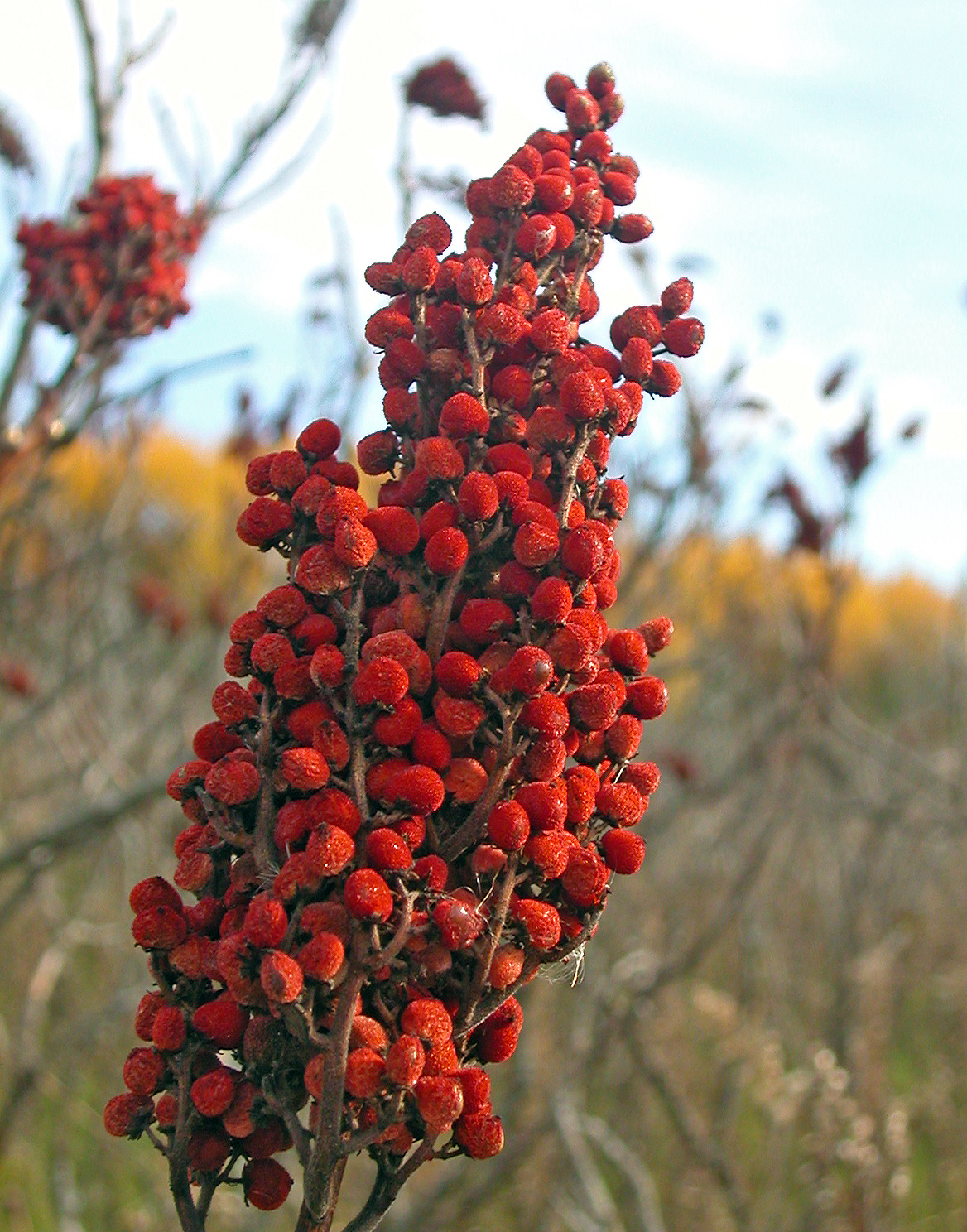
Sumac refers to the edible berries of several shrubs within the Rhus genus, though the culinary world primarily relies on Rhus coriaria. These plants produce dense clusters of small, red drupes that resemble tiny bobs. When harvested and dried, these fruits are ground into a coarse, deep red powder. The spice looks like a dusty ruby and carries a sharp, mouth-puckering scent. Its taste is distinctly sour, resembling the brightness of unripe lemons or vinegar without the liquid weight.
Where does Sumac come from?
The word traces back through Old French and Medieval Latin to Arabic and Syriac roots meaning 'red'. While the broader Rhus genus grows across subtropical and temperate zones globally, the culinary variety thrives in the Middle East and Mediterranean. Historical records show its use in medieval European cooking between the thirteenth and fifteenth centuries, where it appeared frequently in affluent households as a key souring agent before citrus became widely available.
What does Sumac taste like?
The defining characteristic of sumac is its intense acidity, derived from high concentrations of malic acid. This provides a clean, tangy kick that cuts through fatty meats and oily dips. Unlike fresh citrus, the powdered form adds texture and a subtle earthiness to the sour profile. It lacks any heat or bitterness, offering instead a pure, refreshing zing that enhances rather than overpowers other ingredients in a dish.
How Sumac is grown and processed
These dioecious shrubs grow one to ten metres tall in warm climates. They spread via seeds dispersed by birds or through underground rhizomes that form large colonies. Harvesters collect the ripe red fruit clusters when they are fully mature. The berries are then dried thoroughly before being processed. Grinding removes the irritating hairs found on the raw fruit, leaving only the safe, flavorful powder used in kitchens worldwide.
Sumac, drawn
How Sumac is used
Cooks sprinkle this crimson dust over salads, grilled meats, and rice dishes to add brightness. In Levantine cuisine, it is essential for seasoning mezze like hummus and falafel. It serves as a primary ingredient in za'atar blends and Syrian stews like Kubah Sumakieh. Historically, Europeans used it in stews called somacchia. Native Americans also utilized related species to brew a tart drink known as sumac-ade by steeping the berries in water.
Sumac in the world's kitchens
Levantine and Middle Eastern cuisines rely on it heavily for souring soups and garnishing dips. Afghan, Iranian, and Iraqi cooks mix it into rice and grilled meat preparations. Armenian and Azerbaijani traditions feature it in local salads and flatbreads like lahmajoun. Mizrahi Jewish cooking incorporates it into daily meals, while historical European recipes used it similarly to modern vinegar. Turkish and Kurdish kitchens also value its tart contribution.
At a glance: where it turns up
Celebrations


Spiritual and ceremonial use
In Persian culture, sumac holds symbolic importance on the Haft-sin table during Nowruz, the celebration of the new year. Its red color represents vitality and health in this ritual arrangement. Jewish communities have long integrated it into their dietary laws and traditional cooking methods. The plant's historical presence in religious contexts highlights its role not just as food, but as a cultural marker of identity and continuity.
Sumac at celebrations
The spice plays a visible role in Nowruz festivities, arranged symbolically to welcome spring. It is also common at weddings and communal feasts where mezze spreads are central. Its presence on the table signals hospitality and generosity to guests. During harvest seasons, the gathering of berries marks a time of community activity, linking the spice to agricultural cycles and seasonal celebrations.
Traditional and medicinal use
Historically, sumac served medicinal purposes in West, Central, and South Asia. Medieval shipwrecks have yielded commercial quantities, suggesting use beyond the kitchen. Traditional healers employed it for various ailments, though modern science notes potential benefits for blood pressure management. It was also used in tanning leather, producing flexible, light-colored hides. Some Native American groups used stems for pipe-making and leaves in smoking mixtures.
Buying and storing Sumac
Keep the ground powder in an airtight container away from light and moisture to preserve its color and tartness. Whole dried berries last longer than the ground version. Check for clumping, which indicates humidity exposure. Store in a cool, dark pantry to maintain freshness for extended periods.
What to use instead of Sumac
Lemon juice or vinegar can replace sumac in marinades and dressings for a similar sour effect. Citric acid powder offers a comparable intensity without adding liquid. Tamarind provides a different kind of sourness with slight sweetness. Fresh lemon zest works well in salads where texture matters less than flavor.
The trade in Sumac
Syria and surrounding regions have historically been major producers. The spice travels through established trade routes connecting the Middle East to Europe and beyond. Adulteration has been a concern, with cheaper fillers sometimes mixed in. Certification systems help ensure purity for international buyers. The demand for natural dyes and tannins also supports the trade of non-culinary varieties.
Meal
This spice fits comfortably into lunch and dinner settings, particularly with savory plates. It is a staple at street food stalls serving fast mezze platters. It also appears in preserves and festive feast dishes across the Middle East. Additionally, the related smooth sumac is used to make a traditional cold beverage, often enjoyed as a refreshing snack or hospitality drink during warm weather.
Blends with Sumac
Days Sumac is used for
Questions people ask about Sumac
What does sumac taste like?
It tastes sharply sour and tangy, similar to unripe lemons or vinegar. The flavor comes from natural malic acid in the dried fruit, adding brightness without liquid.
Where does culinary sumac come from?
It comes from the dried, ground fruits of the Rhus coriaria shrub. This species grows in subtropical regions around the Mediterranean and Middle East, particularly Syria and Iran.
How is sumac used in cooking?
It is sprinkled as a dry garnish over salads, grilled meats, and rice. It seasons dips like hummus and is a key component of za'atar spice blends in Levantine cuisine.
Is sumac the same as poison sumac?
No. Culinary sumac comes from Rhus coriaria, which has red berries. Poison sumac has white berries and contains urushiol, causing severe skin reactions. They are botanically distinct.
Can I make a drink with sumac?
Yes. Related species like smooth sumac are soaked in cold water to make 'sumac-ade'. The liquid is strained to remove irritating hairs and sweetened for a tart, refreshing beverage.
Good reading and sources
- Sumac on WikipediaEncyclopedia
- More photos on Wikimedia CommonsPhotos and video
- Wikidata recordOpen data
The facts on this page come from the Wikipedia article "Sumac", written by its contributors and used under the CC BY-SA 4.0 licence, and from its Wikidata record (CC0). EveryMasala rewrote the text in its own words, with AI assistance, and compares every page with the article to make sure no passage is copied. It may be reused under the same CC BY-SA 4.0 licence with a link back.
It may contain mistakes. Names, strengths and customs differ from one grower, kitchen or shop to the next. Traditional and medicinal uses are described as tradition, never as medical advice, and none of this is a substitute for a doctor. If something is wrong, tell us. Last refreshed 2026-10-04.
More from Syria
All the spices of Syria 🇪🇬 Egypt and 3 moreAnise
The sweet, licorice-flavored seed of an annual herb from the Mediterranean basin.Seed · Sweet and mellow · Anise and liquorice
🇪🇬 Egypt and 3 moreAnise
The sweet, licorice-flavored seed of an annual herb from the Mediterranean basin.Seed · Sweet and mellow · Anise and liquorice
 🇱🇧 Lebanon and 5 moreZa'atarزَعْتَر
A Levantine blend of dried herbs, sumac, sesame seeds, and salt used in breads and dips.Blend · Earthy and deep · Citrus and bright
🇯🇴 Jordan and 5 moreBaharatبهارات
A versatile Middle Eastern spice blend used to season meats and soups.Warm and sweet-spiced · Sharp and pungent
🇱🇧 Lebanon and 5 moreZa'atarزَعْتَر
A Levantine blend of dried herbs, sumac, sesame seeds, and salt used in breads and dips.Blend · Earthy and deep · Citrus and bright
🇯🇴 Jordan and 5 moreBaharatبهارات
A versatile Middle Eastern spice blend used to season meats and soups.Warm and sweet-spiced · Sharp and pungent
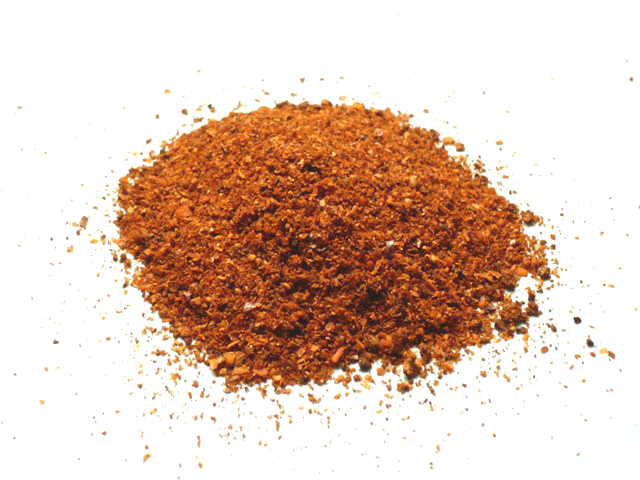 🇸🇾 Syria and 1 moreAleppo pepperفلفل حلبي
A moderately spicy, fruity flake from Syria and Turkey, named for the city of Aleppo.Chilli · Hot and fiery · Sweet and mellow
🇸🇾 Syria and 1 moreAleppo pepperفلفل حلبي
A moderately spicy, fruity flake from Syria and Turkey, named for the city of Aleppo.Chilli · Hot and fiery · Sweet and mellow
Its cousins elsewhere
All seed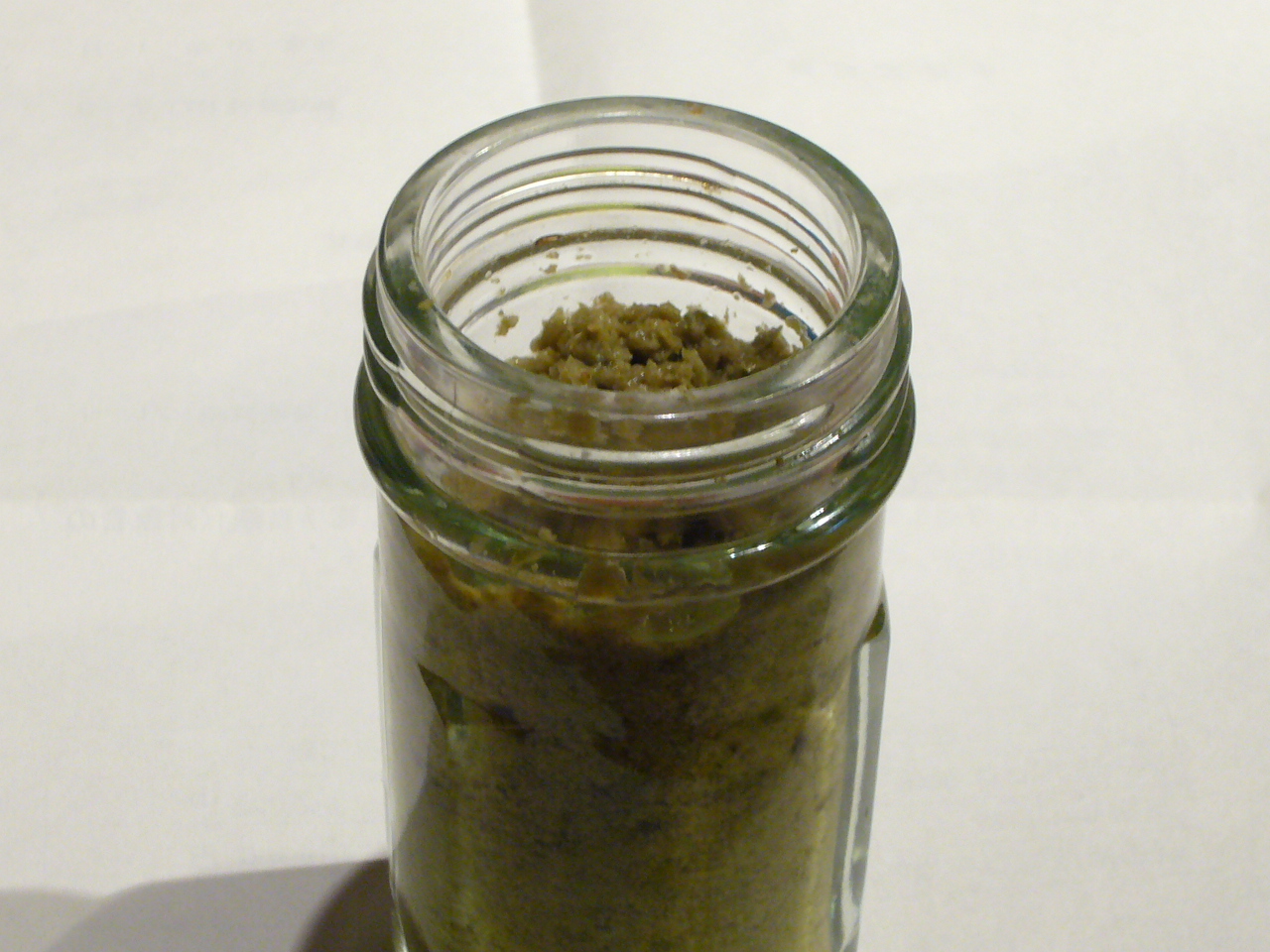 🇯🇵 JapanYuzu koshō柚子胡椒
A fermented Japanese paste of chili peppers and yuzu citrus peel.Paste · Hot and fiery · Citrus and bright
🇯🇵 JapanYuzu koshō柚子胡椒
A fermented Japanese paste of chili peppers and yuzu citrus peel.Paste · Hot and fiery · Citrus and bright
 🇮🇳 IndiaAmchoorआमचूर
A sour powder made from dried unripe green mangoes, used to add tang to Indian dishes.Seed · Sour and tart · Citrus and bright
🇮🇳 IndiaAmchoorआमचूर
A sour powder made from dried unripe green mangoes, used to add tang to Indian dishes.Seed · Sour and tart · Citrus and bright
 🇨🇳 China and 5 moreRoselle
The deep red calyx of a hibiscus plant, steeped into a tart drink or cooked as a leafy green.Fruit · Sour and tart · Citrus and bright
🇨🇳 China and 5 moreRoselle
The deep red calyx of a hibiscus plant, steeped into a tart drink or cooked as a leafy green.Fruit · Sour and tart · Citrus and bright
 🇮🇳 India and 4 moreBasil
A tender culinary herb with glossy leaves and a licorice-like aroma, native to tropical Asia.Leaf · Anise and liquorice · Warm and sweet-spiced
🇮🇳 India and 4 moreBasil
A tender culinary herb with glossy leaves and a licorice-like aroma, native to tropical Asia.Leaf · Anise and liquorice · Warm and sweet-spiced