
Curry paste
A blended mixture of spices and aromatics used as the base for curries in Asia.
Curry paste is a wet blend of ground spices, herbs, and aromatics that serves as the foundation for many Asian curries. It originated from Indian spice mixes adapted by Southeast Asian royal kitchens to suit local ingredients like lemongrass and galangal. The paste provides intense flavor and color to stews and soups across Thailand, Malaysia, Cambodia, and China.
- Curry paste is a wet blend of ground spices and herbs.
- It originated from Indian mixes adapted by Southeast Asian courts.
- Thai pastes often use lemongrass and galangal.
- Malaysian and Indonesian versions include cinnamon and cloves.
- Commercial pastes are staples in Hong Kong and Shanghai.
What is Curry paste?
Curry paste is a thick, wet mixture of finely ground ingredients used to start a curry dish. Unlike dry spice powders, it contains moisture or fat, such as oil or coconut milk, which helps release the flavors of the spices. The texture is smooth and dense, allowing it to dissolve easily into cooking liquids. It combines dried spices with fresh herbs and aromatics to create a complex base for stews, soups, and stir-fries.
Where does Curry paste come from?
The tradition of using curry pastes likely began when Indian spice blends traveled along trade routes to Southeast Asia. These mixes were introduced through the royal courts of Indianized kingdoms. Local cooks then adapted the recipes to match regional tastes and available ingredients. For example, Burmese cuisine added turmeric to chiles and ginger. In Khmer royal kitchens, turmeric was swapped for cardamom and tamarind. Over time, these adaptations created distinct regional styles across Southeast Asia.
What does Curry paste taste like?
The taste of curry paste varies by region but generally offers a warm, earthy, and pungent profile. Thai and Cambodian versions often feature bright citrus notes from lemongrass and galangal. Malaysian and Indonesian pastes tend to be deeper and warmer due to the use of cinnamon, cloves, and nutmeg. Vietnamese pastes may include star anise for a licorice-like sweetness. The fat content in the paste carries these flavors, making them rich and savory.
How Curry paste is grown and processed
Curry pastes are not grown as a single plant but are made from various crops. Ingredients include chiles, garlic, ginger, onions, turmeric, lemongrass, galangal, lime leaves, and star anise. These plants are harvested, cleaned, and then ground together. Some pastes are dried into powders, while others are kept wet with oil or water. The preparation involves pounding or blending the ingredients until they form a smooth consistency suitable for cooking.
Curry paste, drawn
How Curry paste is used
Cooking with curry paste usually begins by frying it in oil to bloom the flavors before adding protein and liquid. It is stirred into coconut milk or water to create a sauce for meats, seafood, or vegetables. In Chinese cuisine, ready-made pastes like Lee Kum Kee's are common in Hong Kong and Shanghai. Southeast Asian home cooks often make fresh pastes daily. The paste acts as a seasoning base, eliminating the need to add individual spices during cooking.
Curry paste in the world's kitchens
Different cuisines use curry paste in unique ways. Thai and Cambodian cooking relies heavily on fresh pastes with lemongrass and galangal. Malaysian and Indonesian recipes incorporate more dried spices like cinnamon and cloves. Vietnamese cuisine adds star anise for aromatic depth. In China, particularly in Hong Kong and Shanghai, commercial pastes are standard for local curries. Burmese cuisine often includes turmeric for color and earthiness. Each region adapts the blend to its local palate.
At a glance: where it turns up


Spiritual and ceremonial use
There is no specific religious ritual associated with curry paste itself. However, the ingredients have cultural significance in Hindu and Buddhist traditions. Turmeric is used in ceremonies, and certain herbs are considered sacred. The spread of curry paste through royal courts linked it to courtly dining rather than religious practice. It remains a secular culinary staple across Southeast Asia and among Chinese communities.
Curry paste at celebrations
Curry paste is not tied to specific festivals or holidays. It is a daily ingredient used in everyday cooking. Families prepare it for regular meals rather than special occasions. While some ingredients might appear in festive dishes, the paste itself is a practical tool for home cooks. It does not have a designated role in weddings, births, or harvest celebrations.
Traditional and medicinal use
Traditional medicine sometimes uses ingredients found in curry pastes. Turmeric is known for anti-inflammatory properties. Ginger and garlic are used for digestion and immunity. However, these uses are folk practices and not medical advice. The paste itself is a culinary creation, not a remedy. Safety notes suggest consuming it in moderation due to spice levels.
Buying and storing Curry paste
Fresh curry paste should be stored in the refrigerator and used within a few days. Commercial pastes in jars can last longer if sealed properly. Dried powder versions have a longer shelf life but lose aroma over time. Keep pastes away from light and heat to preserve flavor. Check for mold or off-smells before use.
What to use instead of Curry paste
If you lack curry paste, you can use curry powder mixed with water or oil. Fresh herbs like lemongrass and galangal can be chopped and added separately. Garlic, ginger, and chiles can be combined to mimic the base flavor. Commercial curry sauces are another option, though they may contain thickeners. The closest substitute depends on the regional style you are trying to replicate.
The trade in Curry paste
Curry paste is traded globally, especially in Asian markets. Commercial brands like Lee Kum Kee distribute products internationally. Trade routes historically moved spices from India to Southeast Asia, influencing paste development. Today, producing countries like Thailand and Malaysia export pastes worldwide. Adulteration is rare but possible with low-quality products. Certification ensures authenticity of regional styles.
Meal
Curry paste is primarily used for lunch and dinner dishes. It forms the base of hearty curries served with rice or noodles. While less common for breakfast, some regions might use milder pastes in morning stews. It is also used in street-food stalls for quick noodle soups and snack items. The paste is rarely used in desserts or drinks, remaining firmly in the realm of savory main courses.
Questions people ask about Curry paste
What is curry paste?
Curry paste is a wet mixture of ground spices, herbs, and aromatics used as a base for curries. It differs from dry curry powder by containing moisture or fat, which helps extract and carry flavors into dishes.
Where did curry paste come from?
Curry paste likely entered Southeast Asia via trade routes from southern India. Royal courts adapted Indian spice blends to local tastes, adding regional ingredients like lemongrass, galangal, and turmeric to create distinct styles.
How does curry paste taste?
The flavor varies by region but is generally warm, earthy, and pungent. Thai versions offer citrus notes from lemongrass, while Malaysian and Indonesian pastes are deeper with cinnamon and cloves. Vietnamese styles may include star anise.
How is curry paste used in cooking?
It is typically fried in oil to release flavors before adding liquid and protein. It dissolves into coconut milk or water to create a sauce for meats, seafood, or vegetables. It serves as a convenient seasoning base for stews and soups.
Good reading and sources
- Curry paste on WikipediaEncyclopedia
- More photos on Wikimedia CommonsPhotos and video
- Wikidata recordOpen data
The facts on this page come from the Wikipedia article "Curry paste", written by its contributors and used under the CC BY-SA 4.0 licence, and from its Wikidata record (CC0). EveryMasala rewrote the text in its own words, with AI assistance, and compares every page with the article to make sure no passage is copied. It may be reused under the same CC BY-SA 4.0 licence with a link back.
It may contain mistakes. Names, strengths and customs differ from one grower, kitchen or shop to the next. Traditional and medicinal uses are described as tradition, never as medical advice, and none of this is a substitute for a doctor. If something is wrong, tell us. Last refreshed 2026-10-04.
More from India
All the spices of India 🇮🇩 Indonesia and 3 moreNutmeg
The dried seed of a tropical evergreen tree, prized for its warm, pungent flavor.Seed · Warm and sweet-spiced · Sweet and mellow
🇮🇩 Indonesia and 3 moreNutmeg
The dried seed of a tropical evergreen tree, prized for its warm, pungent flavor.Seed · Warm and sweet-spiced · Sweet and mellow
 🇹🇭 Thailand and 4 moreBenzoin resin
A sweet balsamic tree resin used in incense, perfumes, and traditional medicine.Resin · Sweet and mellow
🇹🇭 Thailand and 4 moreBenzoin resin
A sweet balsamic tree resin used in incense, perfumes, and traditional medicine.Resin · Sweet and mellow
 🇨🇳 China and 4 moreFingerrootกระชาย
The finger-shaped rhizome of a tropical ginger relative, used fresh or pickled in Southeast Asian cooking.Sharp and pungent · Citrus and bright
🇨🇳 China and 4 moreFingerrootกระชาย
The finger-shaped rhizome of a tropical ginger relative, used fresh or pickled in Southeast Asian cooking.Sharp and pungent · Citrus and bright
 🇲🇽 Mexico and 3 moreBird's eye chiliพริกขี้หนู
A small, intensely hot cultivar of Capsicum annuum native to Mexico and widely grown in Southeast Asia.Chilli · Hot and fiery
🇲🇽 Mexico and 3 moreBird's eye chiliพริกขี้หนู
A small, intensely hot cultivar of Capsicum annuum native to Mexico and widely grown in Southeast Asia.Chilli · Hot and fiery
Its cousins elsewhere
 🇮🇳 India and 2 moreCardamom
Aromatic seeds from spindle-shaped pods used in sweet and savory dishes across Asia and the Middle East.Seed · Sharp and pungent · Warm and sweet-spiced
🇮🇳 India and 2 moreCardamom
Aromatic seeds from spindle-shaped pods used in sweet and savory dishes across Asia and the Middle East.Seed · Sharp and pungent · Warm and sweet-spiced
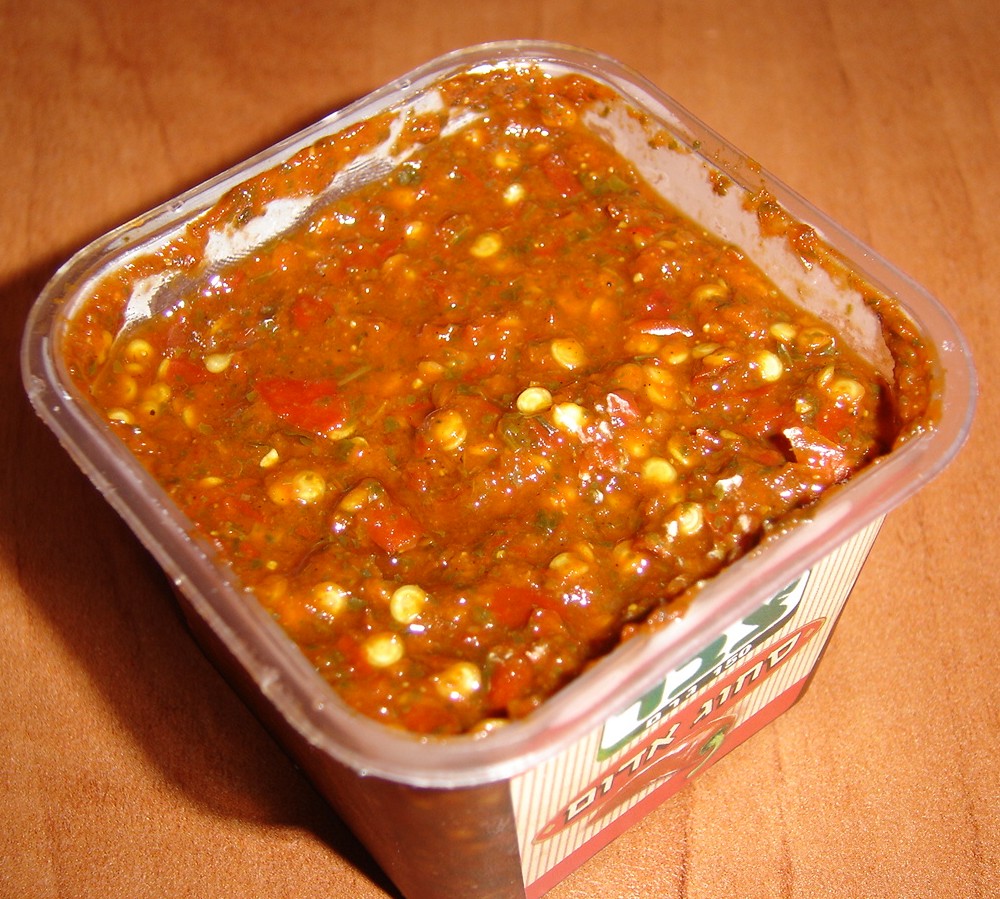 🇾🇪 Yemen and 1 moreZhugسحوق
A Yemeni hot sauce of crushed chilies, garlic, and corianderHot and fiery · Sharp and pungent
🇾🇪 Yemen and 1 moreZhugسحوق
A Yemeni hot sauce of crushed chilies, garlic, and corianderHot and fiery · Sharp and pungent
 🇮🇳 India and 3 moreGaram masalaगरम मसाला
A ground blend of warm spices from the Indian subcontinent used to finish curries and stews.Blend · Warm and sweet-spiced · Sharp and pungent
🇮🇳 India and 3 moreGaram masalaगरम मसाला
A ground blend of warm spices from the Indian subcontinent used to finish curries and stews.Blend · Warm and sweet-spiced · Sharp and pungent
 🇮🇳 India and 4 moreCurry powder
A Western adaptation of Indian spice blends for cooking sauces and stews.Blend · Warm and sweet-spiced · Earthy and deep
🇮🇳 India and 4 moreCurry powder
A Western adaptation of Indian spice blends for cooking sauces and stews.Blend · Warm and sweet-spiced · Earthy and deep