Fish pepper
Capsicum annuum
A variegated heirloom chili from the Chesapeake Bay, prized for its color-changing fruit and crab dishes.
This small Capsicum annuum cultivar was developed by African American communities in the Chesapeake region. It ripens from white to red and provides a hot kick suitable for seafood soups and stews.
- Heirloom cultivar from the Chesapeake Bay region.
- Fruit ripens from white to deep red.
- Heat ranges from 5,000 to 30,000 Scoville units.
- Saved from extinction after seeds were found in a freezer.
- Traditionally used in Baltimore crab houses and oyster bars.
What is Fish pepper?
The fish pepper is a small chili cultivar belonging to the species Capsicum annuum. The plant features striking foliage with white and green mottled leaves. Its fruit displays a unique color progression during ripening. The peppers start as creamy white with green streaks. They eventually mature into a deep blood red. The fruit measures roughly two inches in length. The heat level ranges between five thousand and thirty thousand Scoville units. This variety is valued for both its ornamental leaves and its culinary applications.
Where does Fish pepper come from?
The species Capsicum annuum originated in southern Mexico. Cultivation spread through the Americas and reached the Caribbean. From there, the fish pepper moved to the Chesapeake region. Enslaved Africans in Baltimore grew this variety. Food historian Michael W. Twitty suggests Haitians may have introduced it. By eighteen seventy, the pepper was popular in Black communities in Baltimore and Philadelphia. It became a staple in local crab houses and oyster bars. Urbanization caused its decline in the early twentieth century. The variety nearly vanished from markets and seed catalogs.
What does Fish pepper taste like?
This cultivar delivers a distinct hot sensation. The pungency falls within the medium range on the Scoville scale. The flavor profile is typical of Capsicum annuum varieties. Chefs historically valued the albino phase of the fruit. Using the white peppers allowed cooks to spice cream-based dishes. This method avoided altering the pale color of foods like cream of crab soup. The mature red fruit provides a stronger heat intensity.
How Fish pepper is grown and processed
The plant grows to approximately two feet in height. It produces small fruits that change color over time. The foliage is variegated with white and green patterns. The variety was preserved through a barter in the nineteen forties. A folk painter traded seeds to a beekeeper for arthritis therapy. The seeds remained in a family freezer for fifty years. William Woys Weaver discovered them in nineteen ninety-five. He sent the seeds to the Seed Savers Exchange. The organization reconstituted the cultivar and grew new seedlings.
Fish pepper, drawn
How Fish pepper is used
The fish pepper is primarily used in seafood preparations. It was a common ingredient in crab houses and oyster bars. Cooks utilized the white phase of the fruit for cream soups. This prevented discoloration in delicate dishes. The mature red peppers are used for general seasoning. They add heat to stews and savory recipes. The variety has regained popularity in Mid-Atlantic restaurants. Home gardeners also grow it for its unusual appearance.
Fish pepper in the world's kitchens
The fish pepper is central to Mid-Atlantic cuisine. It holds historical significance in Baltimore and Philadelphia. African American communities in the Chesapeake region cultivated it. The variety is linked to local crab and oyster traditions. It reflects the agricultural history of enslaved Africans in the area. Modern chefs in the region have revived its use. The pepper remains a symbol of local heritage and flavor.
At a glance: where it turns up
Cuisines
Spiritual and ceremonial use
There are no specific spiritual or religious rituals associated with the fish pepper. It does not appear in sacred texts or ceremonial offerings. The variety is valued for its cultural and culinary history rather than spiritual significance.
Fish pepper at celebrations
The fish pepper is not tied to specific festivals or holidays. It is not used in wedding feasts or harvest celebrations. Its consumption is part of everyday dining in relevant regions. The rediscovery of the seeds is a notable event in horticultural history.
Traditional and medicinal use
Traditional use involves treating arthritis with bee sting therapy. This practice was exchanged for the pepper seeds in the past. There are no documented folk medicine uses for the pepper itself. The variety is preserved for its historical and culinary value. Safety notes regarding capsaicin heat apply to all chili peppers.
Buying and storing Fish pepper
Seeds can be stored in freezers for extended periods. The original seeds survived fifty years in a family freezer. Fresh peppers should be kept cool for short-term use. Dried seeds remain viable for planting if stored properly.
What to use instead of Fish pepper
No direct substitutes are mentioned for this specific cultivar. Other Capsicum annuum varieties can provide similar heat levels. The unique color-changing trait cannot be replicated. Gardeners seeking ornamental foliage might choose other variegated plants.
The trade in Fish pepper
The trade of fish pepper seeds declined in the early twentieth century. Urbanization reduced its availability in marketplaces. Seed vendors stopped carrying the variety. Rediscovery led to renewed distribution through seed websites. The Seed Savers Exchange played a key role in its revival. The variety is now available to home growers and chefs.
Meal
This chili belongs to lunch and dinner settings. It is traditionally associated with seafood establishments. Crab houses and oyster bars feature it prominently. The pepper enhances cream-based soups served at these venues. It is also used in general savory cooking. The variety fits well into regional Mid-Atlantic cuisine. It is not typically used for breakfast or desserts.
Questions people ask about Fish pepper
Where does the fish pepper come from?
It is an heirloom cultivar developed by African American communities in the Chesapeake Bay region, particularly in Baltimore and Philadelphia.
How hot is the fish pepper?
It scores between 5,000 and 30,000 on the Scoville scale, providing a medium heat level suitable for seasoning seafood dishes.
What makes the fish pepper visually unique?
The plant has variegated white and green leaves. The fruit changes color from creamy white with green streaks to deep blood red as it matures.
Why was the fish pepper nearly extinct?
Urbanization in the early twentieth century caused it to disappear from menus and seed catalogs until seeds were rediscovered in a family freezer.
How is the fish pepper used in cooking?
It is traditionally used in crab houses and oyster bars. The white phase is used to spice cream soups without changing their color.
Good reading and sources
The facts on this page come from the Wikipedia article "Fish pepper", written by its contributors and used under the CC BY-SA 4.0 licence, and from its Wikidata record (CC0). EveryMasala rewrote the text in its own words, with AI assistance, and compares every page with the article to make sure no passage is copied. It may be reused under the same CC BY-SA 4.0 licence with a link back.
It may contain mistakes. Names, strengths and customs differ from one grower, kitchen or shop to the next. Traditional and medicinal uses are described as tradition, never as medical advice, and none of this is a substitute for a doctor. If something is wrong, tell us. Last refreshed 2026-10-04.
More from the United States
All the spices of the United States 🇺🇸 United StatesCarolina Reaper
A gnarled red cultivar of Capsicum chinense bred in South Carolina for extreme heat.Chilli · Hot and fiery · Sweet and mellow
🇺🇸 United StatesCarolina Reaper
A gnarled red cultivar of Capsicum chinense bred in South Carolina for extreme heat.Chilli · Hot and fiery · Sweet and mellow
 🇺🇸 United States and 1 moreRed Savina
A selectively bred cultivar of Capsicum chinense known for its intense heat and wrinkled red fruit.Chilli · Hot and fiery
🇺🇸 United States and 1 moreRed Savina
A selectively bred cultivar of Capsicum chinense known for its intense heat and wrinkled red fruit.Chilli · Hot and fiery
 🇺🇸 United States and 1 moreFresno chile
A medium-sized Capsicum annuum cultivar with a conical shape and bright red skin.Chilli · Hot and fiery · Sweet and mellow
🇺🇸 United States and 1 moreFresno chile
A medium-sized Capsicum annuum cultivar with a conical shape and bright red skin.Chilli · Hot and fiery · Sweet and mellow
Its cousins elsewhere
All chilli 🇵🇪 Peru and 5 moreChili pepperchīlli
The pungent berry of the Capsicum plant, used to add heat to dishes worldwide.Fruit · Hot and fiery · Earthy and deep
🇵🇪 Peru and 5 moreChili pepperchīlli
The pungent berry of the Capsicum plant, used to add heat to dishes worldwide.Fruit · Hot and fiery · Earthy and deep
 🇯🇵 JapanKarashiからし
A potent Japanese mustard made from brown mustard seeds, served as a sharp condiment.Seed · Hot and fiery · Sharp and pungent
🇯🇵 JapanKarashiからし
A potent Japanese mustard made from brown mustard seeds, served as a sharp condiment.Seed · Hot and fiery · Sharp and pungent
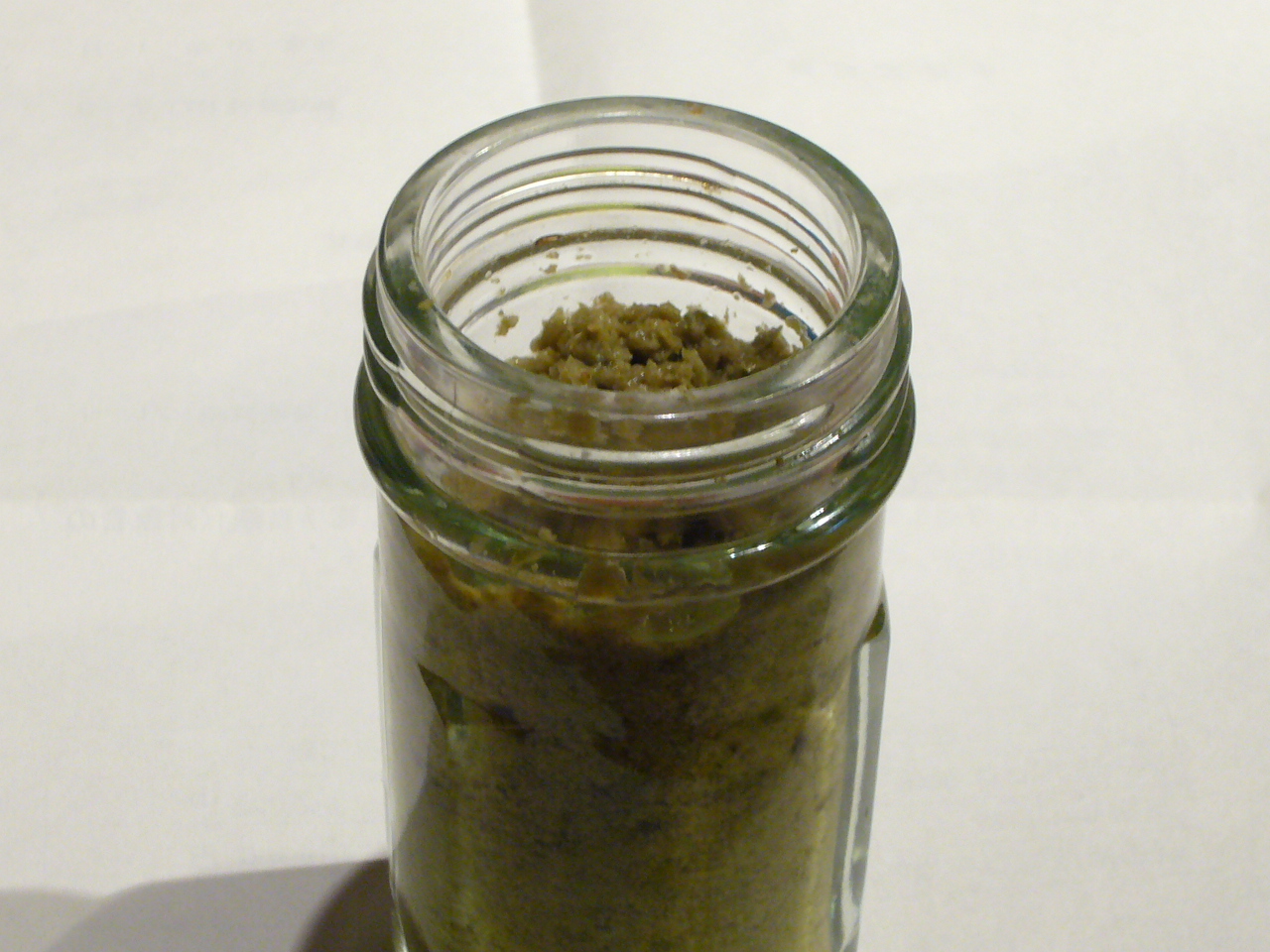 🇯🇵 JapanYuzu koshō柚子胡椒
A fermented Japanese paste of chili peppers and yuzu citrus peel.Paste · Hot and fiery · Citrus and bright
🇯🇵 JapanYuzu koshō柚子胡椒
A fermented Japanese paste of chili peppers and yuzu citrus peel.Paste · Hot and fiery · Citrus and bright
 🇱🇾 Libya and 1 morePilpelchumaפלפלצ'ומה
A steamed chili and garlic paste from Libyan Jewish cuisine, now common in Israel.Hot and fiery · Sharp and pungent
🇱🇾 Libya and 1 morePilpelchumaפלפלצ'ומה
A steamed chili and garlic paste from Libyan Jewish cuisine, now common in Israel.Hot and fiery · Sharp and pungent