
Chili pepper
In its own language: chīlli
Capsicum annuum
The pungent berry of the Capsicum plant, used to add heat to dishes worldwide.
Native to the Americas and now grown globally, these berries deliver intense heat through capsaicin. They are dried, ground, or cooked fresh to season a vast array of regional cuisines.
- Originated in Peru and Bolivia over 7,500 years ago.
- Capsaicin causes the burning sensation in the mouth.
- China produces nearly 40% of the world's supply.
- Birds do not feel the heat and help spread seeds.
- Spreads to Asia occurred via Portuguese and Spanish traders.
What is Chili pepper?
These are the bright, shiny fruits of plants in the nightshade family. Botanically classified as berries, they range from smooth and elongated to knobbly and round. The flesh contains seeds and delivers a sharp, burning sensation known as pungency. This heat comes from chemical compounds called capsaicinoids. Colors vary widely, including green, red, orange, and purple. When eaten, they trigger pain receptors in the mouth, creating a feeling of intense warmth that can linger for some time.
Where does Chili pepper come from?
The plants first appeared in the wild regions of modern-day Peru and Bolivia thousands of years ago. People began cultivating them in east-central Mexico around six thousand years ago. These were among the earliest self-pollinating crops domesticated in the Americas. Peru remains a center of diversity, hosting many wild and cultivated varieties. The fruits spread to Europe after explorers returned from the West Indies in the late fifteenth century, eventually reaching Asia via Portuguese and Spanish trade routes.
What does Chili pepper taste like?
The dominant taste is pure heat, caused by capsaicin binding to nerve endings. This creates a burning signal sent to the brain. The intensity varies greatly depending on the specific variety and growing conditions. Plants under water stress often produce hotter fruits. While primarily known for their spice, some milder types offer a grassy, vegetal note similar to bell peppers. The heat does not affect birds, allowing them to disperse the seeds without destroying them.
How Chili pepper is grown and processed
Peppers thrive in warm, sunny spots with loamy soil kept moist but not waterlogged. Seeds germinate best near twenty-one degrees Celsius. The plants are small perennials that tolerate mild cold but suffer in freezing temperatures. Flowers self-pollinate easily. Harvesting can happen while the fruit is still green or after it ripens to its final color. Drying is a common preservation method, done by hanging strings of peppers in warm, dry air or spreading them on the ground.
Chili pepper, drawn
How Chili pepper is used
Cooks use them fresh, dried, or ground into powder and flakes. They form the base of hot sauces and infused oils. In some Asian kitchens, the leaves are also cooked as greens. Hotter varieties require careful handling to avoid skin irritation. Milder types can be stuffed and roasted like vegetables. They are essential in curries, stews, and stir-fries across many cultures, providing both flavor and significant thermal energy to the dish.
Chili pepper in the world's kitchens
Mexican cooking relies heavily on them for foundational heat. Thai cuisine uses bird's eye chilies in pastes and soups. Indian curries vary from mild to fiery depending on the region. Sichuanese Chinese food incorporates them for a distinct numbing heat. Filipino cuisine utilizes both the fruit and the bitter leaves. Korean kimchi often includes chili powder for fermentation flavor. Each culture adapts the heat level to local preferences.
At a glance: where it turns up
By meal
Celebrations


Spiritual and ceremonial use
There are no major religious rituals specifically tied to chili peppers in the provided sources. They are primarily viewed as a culinary ingredient rather than a sacred object. Their spread was driven by trade and exploration rather than missionary activity or religious decree.
Chili pepper at celebrations
They are considered a staple ingredient for daily consumption rather than a symbol for special occasions or seasonal celebrations.
Traditional and medicinal use
Historically, European physicians documented their medicinal uses upon their arrival in the Old World. Traditional medicine systems sometimes employ them for circulation or digestion, though modern science focuses on their chemical properties. Overconsumption can cause stomach pain or vomiting. Traders have been known to adulterate products with synthetic dyes, which poses health risks if consumed.
Buying and storing Chili pepper
Fresh peppers should be kept cool and dry to prevent rotting. Dried peppers last much longer and can be stored in airtight containers. Ground powders lose potency over time due to exposure to air and light. Whole dried pods retain their heat and flavor better than processed forms. Check for signs of mold or insect damage when purchasing dried varieties.
What to use instead of Chili pepper
Black pepper provides heat but lacks the fruity notes of chilies. Cayenne powder offers a similar intensity for those who cannot find fresh varieties. Paprika gives color and mild warmth without extreme heat. For leafy substitutes, other bitter greens may work in specific recipes, though they lack the unique Capsicum flavor profile.
The trade in Chili pepper
China leads global production of both fresh and dried peppers. India and Thailand are also major exporters. The trade expanded rapidly after the Columbian Exchange moved the plants from the Americas to Africa and Asia. Portuguese and Spanish merchants facilitated this spread. Modern trade faces challenges from adulteration, with illegal dyes sometimes added to enhance appearance. Geographical indications protect certain regional varieties.
Meal
They appear in everyday lunches and dinners, particularly in spicy regional specialties. Street food vendors frequently use them to add kick to fast foods and snacks. They are less common in breakfasts or desserts, though occasionally found in savory morning dishes. Preserves like pickles and chutneys often incorporate dried or fresh chilies to extend their shelf life and add complexity.
Blends with Chili pepper
Questions people ask about Chili pepper
Where did chili peppers originally come from?
They originated in the Americas, specifically in the regions of modern-day Peru and Bolivia. Early cultivation began in Mexico thousands of years ago before spreading globally through trade routes established by European explorers.
What makes chili peppers so hot?
The heat comes from a chemical compound called capsaicin. This substance binds to pain receptors in the mouth and throat, sending signals to the brain that create a sensation of burning. The concentration varies by variety and growing conditions.
How are chili peppers used in cooking?
They are used fresh, dried, or ground into powders and flakes. They form the base of hot sauces, infuse oils, and season curries, stews, and stir-fries. Some cuisines also cook the leaves as edible greens.
Are all chili peppers equally spicy?
No, the heat level varies significantly. Some varieties are very mild, while others are extremely hot. The intensity depends on the specific species, cultivar, and environmental factors like water stress during growth.
Which countries grow the most chili peppers today?
China is the largest producer, accounting for about 39% of global output. India and Thailand are also major producers, each contributing significantly to the total supply of both fresh and dried peppers worldwide.
Good reading and sources
- Encyclopaedia BritannicaArticle
- 'Record-breaking' chilli is hot newsBBC, Article
- The Quest to Save Chili PeppersThe New Yorker, Article
- How to eat: chilli con carneThe Guardian, Article
- Chili pepper on WikipediaEncyclopedia
- More photos on Wikimedia CommonsPhotos and video
- Wikidata recordOpen data
The facts on this page come from the Wikipedia article "Chili pepper", written by its contributors and used under the CC BY-SA 4.0 licence, and from its Wikidata record (CC0). EveryMasala rewrote the text in its own words, with AI assistance, and compares every page with the article to make sure no passage is copied. It may be reused under the same CC BY-SA 4.0 licence with a link back.
It may contain mistakes. Names, strengths and customs differ from one grower, kitchen or shop to the next. Traditional and medicinal uses are described as tradition, never as medical advice, and none of this is a substitute for a doctor. If something is wrong, tell us. Last refreshed 2026-10-04.
More from Peru
All the spices of Peru 🇲🇽 Mexico and 5 moreJalapeño
A medium-sized Capsicum annuum cultivar from Mexico known for its green pods and moderate heat.Chilli · Hot and fiery · Earthy and deep
🇲🇽 Mexico and 5 moreJalapeño
A medium-sized Capsicum annuum cultivar from Mexico known for its green pods and moderate heat.Chilli · Hot and fiery · Earthy and deep
 🇵🇪 Peru and 3 morePink peppercornbaie rose
The dried fruit of Schinus trees, offering a sweet, piney heat distinct from black pepper.Fruit · Sharp and pungent · Citrus and bright
🇵🇪 Peru and 3 morePink peppercornbaie rose
The dried fruit of Schinus trees, offering a sweet, piney heat distinct from black pepper.Fruit · Sharp and pungent · Citrus and bright
 🇵🇪 Peru and 1 moreAjí panca
A mild, fruity Peruvian chili used for its deep red color and sun-dried flavor.Chilli · Sweet and mellow
🇵🇪 Peru and 1 moreAjí panca
A mild, fruity Peruvian chili used for its deep red color and sun-dried flavor.Chilli · Sweet and mellow
 🇵🇪 Peru and 1 moreCapsicum cardenasiiulupica
A wild Andean chilli with white and purple flowers, known as ulupica.Chilli · Hot and fiery
🇵🇪 Peru and 1 moreCapsicum cardenasiiulupica
A wild Andean chilli with white and purple flowers, known as ulupica.Chilli · Hot and fiery
Its cousins elsewhere
All fruit 🇳🇬 NigeriaYaji
A spicy rub from Nigeria made with chili, ginger, and ground peanuts.Blend · Hot and fiery · Earthy and deep
🇳🇬 NigeriaYaji
A spicy rub from Nigeria made with chili, ginger, and ground peanuts.Blend · Hot and fiery · Earthy and deep
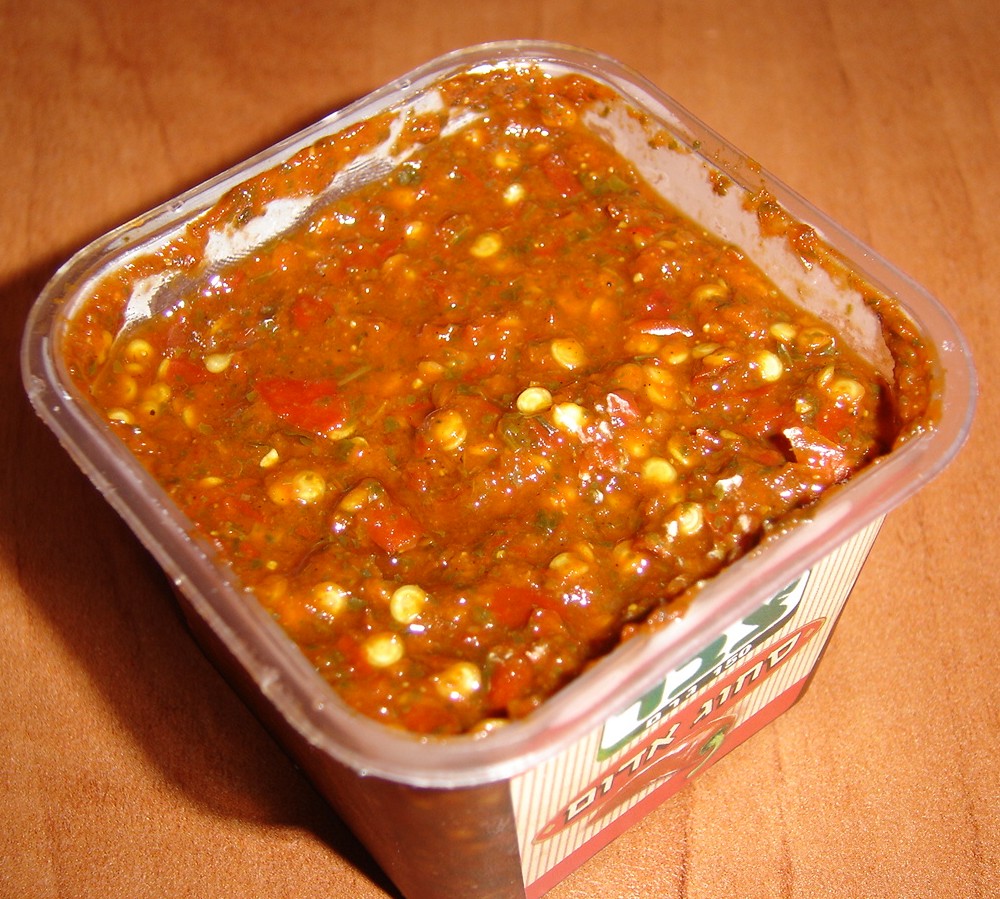 🇾🇪 Yemen and 1 moreZhugسحوق
A Yemeni hot sauce of crushed chilies, garlic, and corianderHot and fiery · Sharp and pungent
🇾🇪 Yemen and 1 moreZhugسحوق
A Yemeni hot sauce of crushed chilies, garlic, and corianderHot and fiery · Sharp and pungent
 🇱🇾 Libya and 1 morePilpelchumaפלפלצ'ומה
A steamed chili and garlic paste from Libyan Jewish cuisine, now common in Israel.Hot and fiery · Sharp and pungent
🇱🇾 Libya and 1 morePilpelchumaפלפלצ'ומה
A steamed chili and garlic paste from Libyan Jewish cuisine, now common in Israel.Hot and fiery · Sharp and pungent
 🇮🇳 IndiaChammanthi podi
A dry coconut and spice condiment from Kerala that preserves fresh chutney for months.Hot and fiery · Earthy and deep
🇮🇳 IndiaChammanthi podi
A dry coconut and spice condiment from Kerala that preserves fresh chutney for months.Hot and fiery · Earthy and deep