
Karashi
In its own language: からし
Brassica juncea
A potent Japanese mustard made from brown mustard seeds, served as a sharp condiment.
Karashi is a traditional Japanese seasoning crafted from the ground seeds of the brown mustard plant. It delivers a powerful, pungent heat that is much more intense than Western mustards, requiring only a small amount to flavour dishes like tonkatsu or lotus root.
- Made from crushed brown mustard seeds.
- Much hotter than typical Western mustards.
- Served with tonkatsu and shumai.
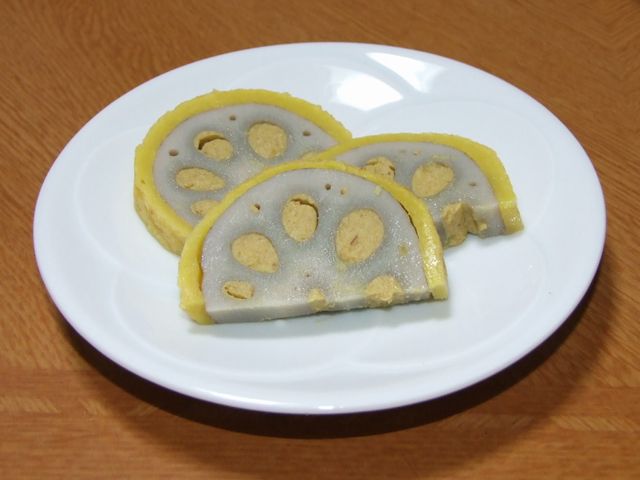
- Key ingredient in karashi renkon.
- Mixed with mayo for a popular dip.
What is Karashi?
This condiment originates in Japan and goes by several names, including karashi and oni karashi. It comes from the brown mustard species, Brassica juncea. The preparation involves crushing these seeds into a fine powder or a thick paste. When sold as a dry powder, cooks mix it with warm water to create a paste, letting it rest briefly before serving. The result is a bright yellow seasoning known for its aggressive bite. It stands out because it packs far more punch than common American or French varieties, meaning a tiny sprinkle changes the entire dish.
Where does Karashi come from?
The spice belongs firmly to Japan. It appears in historical records as a staple of local cooking traditions. The name itself points to its spicy character in the Japanese language. While specific ancient origins are not detailed in the provided text, its long-standing presence in regional specialties confirms its deep roots in Japanese culinary history.
What does Karashi taste like?
The taste profile is defined by intense heat and sharpness. This comes directly from the brown mustard seeds used in its creation. The sensation is immediate and strong, far exceeding the mildness of many Western counterparts. Because the potency is so high, recipes call for very little product to achieve the desired kick. It adds a zesty, warming finish rather than a heavy coating.
How Karashi is grown and processed
Therefore, information regarding climate, farming methods, or drying techniques remains unavailable.
Karashi, drawn
How Karashi is used
Chefs use this powder to enhance a variety of foods. It is a standard accompaniment to tonkatsu, oden, nattō, and shumai. Cooks also blend it with mayonnaise to create a dipping sauce known as karashi mayonnaise. Another popular mix combines it with vinegar and miso for a dressing called karashi su miso. Additionally, it flavours pickled eggplant dishes known as karashi-nasu.
Karashi in the world's kitchens
Japanese cuisine relies on this ingredient for its distinctive heat. It features prominently in regional specialties, such as those from Kumamoto. There, chefs stuff lotus root with a miso mixture flavoured by this mustard, then deep-fry the slices. This dish, known as karashi renkon, highlights how the spice integrates with local vegetables and fermented pastes.
At a glance: where it turns up
Cuisines

![おでん ( 東京 ・ 渋谷区 恵比寿 西1-9-4、 恵比寿駅 最寄りの創作 日本料理 と おでん の店「食彩工房 舎人 しょくさいこうぼう とねり」 [1] 恵比寿店)](https://upload.wikimedia.org/wikipedia/commons/6/6a/Oden_by_yajico_in_Ebisu%2C_Tokyo.jpg)

Spiritual and ceremonial use
No religious or ritualistic uses are mentioned in the available information.
Karashi at celebrations
No specific festivals or holiday occasions are linked to this spice in the provided text.
Buying and storing Karashi
Information regarding shelf life, storage conditions, or purchasing advice is not included in the provided text.
What to use instead of Karashi
This comparison implies that Western mustards can be used in a pinch, but one must reduce the quantity significantly to avoid overwhelming the dish with heat.
Meal
This seasoning fits well into lunch and dinner settings. It accompanies main courses like fried pork cutlets and simmered vegetable pots. It also appears at snack counters, particularly alongside steamed dumplings. The mixed sauces often serve as dips for street food or casual meals.
Questions people ask about Karashi
What is karashi?
It is a Japanese condiment made from ground brown mustard seeds. It comes as a powder or paste and provides a sharp, hot flavour essential to many local dishes.
How does it taste compared to other mustards?
It is significantly stronger and more pungent than American or French mustards. You need only a small amount to add a noticeable kick to your food.
What dishes is it served with?
It commonly accompanies tonkatsu, oden, nattō, and shumai. It is also mixed into sauces for dipping or used in stuffed lotus root preparations.
How do you prepare the powder form?
Mix the dry powder with tepid water to form a paste. Cover it and let it sit for a few minutes before using it as a seasoning or dip base.
Good reading and sources
- Karashi on WikipediaEncyclopedia
- More photos on Wikimedia CommonsPhotos and video
- Wikidata recordOpen data
The facts on this page come from the Wikipedia article "Karashi", written by its contributors and used under the CC BY-SA 4.0 licence, and from its Wikidata record (CC0). EveryMasala rewrote the text in its own words, with AI assistance, and compares every page with the article to make sure no passage is copied. It may be reused under the same CC BY-SA 4.0 licence with a link back.
It may contain mistakes. Names, strengths and customs differ from one grower, kitchen or shop to the next. Traditional and medicinal uses are described as tradition, never as medical advice, and none of this is a substitute for a doctor. If something is wrong, tell us. Last refreshed 2026-10-04.
More from Japan
All the spices of Japan 🇯🇵 Japan and 1 moreSansho山椒
The dried berries and young leaves of a spiny Japanese shrub, prized for their numbing citrus heat.Seed · Citrus and bright · Numbing and tingling
🇯🇵 Japan and 1 moreSansho山椒
The dried berries and young leaves of a spiny Japanese shrub, prized for their numbing citrus heat.Seed · Citrus and bright · Numbing and tingling
 🇯🇵 Japan and 1 moreShishito pepper獅子唐辛子 (Shishitōgarashi)
A slender East Asian chili that is mostly mild with occasional spicy surprises.Sweet and mellow · Hot and fiery
🇯🇵 JapanMoshio salt藻塩
A Japanese sea salt flavoured with dried hondawara seaweed.Seasoning · Savoury and umami
🇯🇵 Japan and 1 moreShishito pepper獅子唐辛子 (Shishitōgarashi)
A slender East Asian chili that is mostly mild with occasional spicy surprises.Sweet and mellow · Hot and fiery
🇯🇵 JapanMoshio salt藻塩
A Japanese sea salt flavoured with dried hondawara seaweed.Seasoning · Savoury and umami
 🇯🇵 JapanYuzu koshō柚子胡椒
A fermented Japanese paste of chili peppers and yuzu citrus peel.Paste · Hot and fiery · Citrus and bright
🇯🇵 JapanYuzu koshō柚子胡椒
A fermented Japanese paste of chili peppers and yuzu citrus peel.Paste · Hot and fiery · Citrus and bright
Its cousins elsewhere
All seed 🇬🇧 United Kingdom and 4 moreRock samphire
A coastal succulent with peppery leaves and carrot-scented roots, used fresh or pickled.Leaf · Hot and fiery · Sharp and pungent
🇬🇧 United Kingdom and 4 moreRock samphire
A coastal succulent with peppery leaves and carrot-scented roots, used fresh or pickled.Leaf · Hot and fiery · Sharp and pungent
 🇲🇽 MexicoSalsa macha
A Mexican condiment of dried chilies and oil, crushed to a coarse texture.Paste · Hot and fiery · Sharp and pungent
🇲🇽 MexicoSalsa macha
A Mexican condiment of dried chilies and oil, crushed to a coarse texture.Paste · Hot and fiery · Sharp and pungent
 🇪🇬 EgyptShattaشطة
A fermented Levantine paste of fresh chillies, garlic, and saltHot and fiery · Sharp and pungent
🇪🇬 EgyptShattaشطة
A fermented Levantine paste of fresh chillies, garlic, and saltHot and fiery · Sharp and pungent
 🇭🇹 HaitiEpis
A blended flavor base of peppers, garlic, and herbs essential to Haitian cookingHot and fiery · Sharp and pungent
🇭🇹 HaitiEpis
A blended flavor base of peppers, garlic, and herbs essential to Haitian cookingHot and fiery · Sharp and pungent