
Grains of paradise
Aframomum melegueta
The pungent, citrus-tinged seeds of a West African ginger relative.
Native to the swampy coasts of West Africa, these reddish-brown seeds offer a sharp, peppery bite with hints of citrus. Historically known as malagueta pepper, they were a major European trade commodity before being largely replaced by black pepper and chili peppers.
- Seeds provide a pungent, citrus-tinged heat similar to black pepper.
- Native to West African swamps and southern Ethiopia.
- Major component of Western Lowland gorilla diet.
- Historically called malagueta pepper before chili peppers took the name.
- Used in Voodoo rites and African-American hoodoo for luck.
What is Grains of paradise?
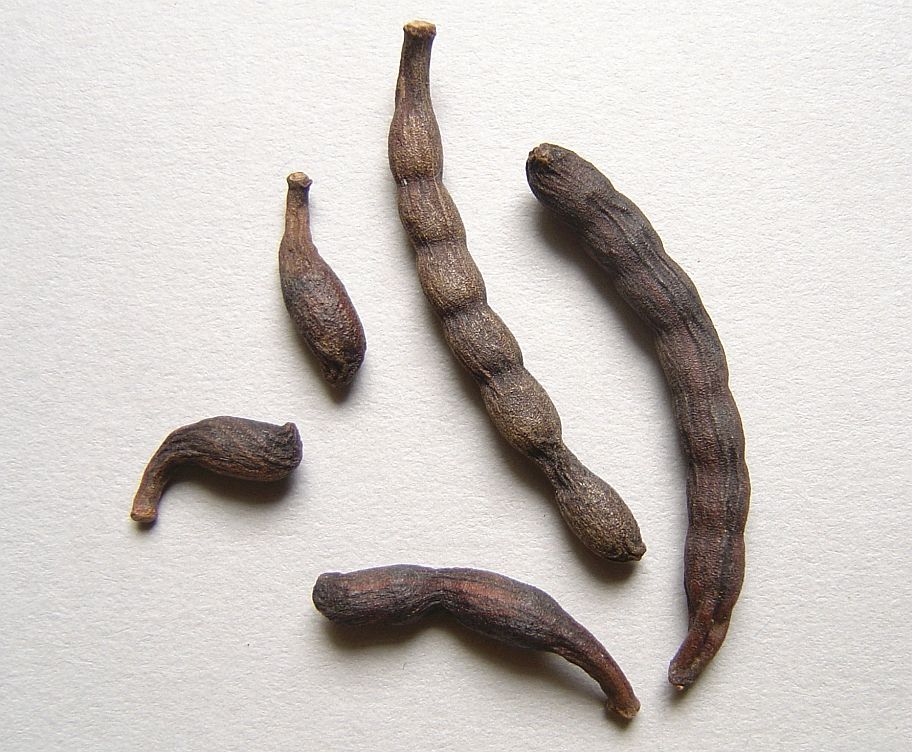
Grains of paradise are the small, reddish-brown seeds found inside the fruit pods of Aframomum melegueta. This plant belongs to the ginger family and grows in swampy areas along the West African coast. The seeds deliver a strong, pungent heat that resembles black pepper but includes distinct notes of citrus. They are used whole or ground to add spice to food and drink. The plant itself has narrow leaves and produces purple flowers with orange lips. The seeds contain aromatic ketones that create their signature flavor profile.
Where does Grains of paradise come from?
This spice originates from West Africa, a region historically called the Pepper Coast due to its abundance. It is also grown in southern Ethiopia as a cash crop. In Europe, it was widely traded during the Middle Ages and the 15th century as a substitute for black pepper. Portuguese traders established monopolies on its trade in the Gulf of Guinea. The name malagueta was later applied to chili peppers after Columbus returned from the Americas, causing confusion between the two spices.
What does Grains of paradise taste like?
The taste is primarily pungent and hot, similar to black pepper. However, it carries unique citrus undertones that distinguish it from other peppercorns. This flavor comes from aromatic ketones like (6)-paradol. Unlike cardamom, which relies on essential oils for its taste, grains of paradise derive their character from these specific chemical compounds. The heat is sharp and nose-reaching, providing a warming sensation in the mouth.
How Grains of paradise is grown and processed
The plant thrives in swampy habitats along the West African coast. It is an herbaceous perennial with narrow, bamboo-like leaves. The flowers are trumpet-shaped and purple, developing into pods five to seven centimeters long. These pods contain numerous small seeds. Gorillas in Western Lowland forests consume the entire fruit, helping to disperse the seeds through their droppings. The seeds are harvested and dried for use as a spice.
Grains of paradise, drawn
How Grains of paradise is used
In West and North Africa, the seeds are used in local cuisines. Historically, they were transported across the Sahara to Sicily and Italy. In Europe, they flavored wine, sausages, and beer until bans restricted their use in alcoholic drinks. Today, they appear in gourmet cooking, craft beers, gins, and Norwegian akvavit. They serve as a pepper alternative in stews and pies. Some cooks use them to add a unique spicy kick to various dishes.
Grains of paradise in the world's kitchens
West African and North African cuisines use the seeds extensively. Italian cuisine, particularly in Sicily, adopted it via ancient trade routes. Norwegian cuisine uses it in akvavit. Caribbean and Latin American cultures incorporate it into Voodoo rites and rootwork. It is also found in modern craft brewing and gourmet cooking globally. The spice bridges traditional African diets with historical European palates.
At a glance: where it turns up
By meal
Spiritual use
Celebrations


Spiritual and ceremonial use
Among the Efik people in Nigeria, the seeds are used in divination and ordeals to determine guilt. In the Caribbean and Latin America, they feature in Voodoo religious rituals. African-American hoodoo practitioners use them for luck-bringing. Chewing the seeds is a practice to demonstrate sincerity or truthfulness. These spiritual uses highlight the seed's perceived power beyond mere flavor.
Grains of paradise at celebrations
The spice is not tied to specific festivals or holidays in the provided sources. Its use is more integrated into daily life and specific ritual contexts rather than celebratory events. It appears in everyday cooking and traditional medicinal practices without association to named annual celebrations.
Traditional and medicinal use
West African folk medicine values the seeds for their warming and digestive properties. Gorillas consume them for potential cardiovascular benefits. In human tradition, chewing the seeds proves sincerity. The spice was once thought to balance the four humors in medieval Europe. Modern usage focuses on flavor rather than health claims, though traditional beliefs persist in some communities.
What to use instead of Grains of paradise
Black pepper is the closest common substitute, though it lacks the citrus notes. Alligator pepper is sometimes confused with it. Cardamom is a related spice but has a different flavor profile dominated by essential oils. Chili peppers were historically confused with it due to shared names, but they are botanically distinct.
The trade in Grains of paradise
The spice drove significant trade along the West African coast, leading to the name Pepper Coast. Portuguese merchants held monopolies on its trade in the 15th century. It was exported to Europe via camel caravans across the Sahara. The spice's value prompted exploration agreements for coastal access. Trade declined in Britain after parliamentary bans on its use in alcohol. It remains a niche commodity in global markets today.
Meal
The spice is versatile enough for multiple meal types. It flavors beverages like wine, beer, gin, and akvavit. It is used in savory dishes such as okra stew and sausage. It also appears in sweet applications like apple pie. In West Africa, it is part of daily dietary habits. It serves as a snack when chewed to prove sincerity or bring luck in certain traditions.
Questions people ask about Grains of paradise
What do grains of paradise taste like?
They taste pungent and hot like black pepper, but with distinct citrus notes. The flavor comes from aromatic ketones rather than essential oils. The heat is sharp and warming, offering a unique twist on familiar peppery spices.
Where does this spice come from?
It is native to West Africa, particularly along the coast known as the Pepper Coast. It is also grown in southern Ethiopia. The region's climate supports the swampy habitats where the plant thrives naturally.
How is it used in cooking?
It is used whole or ground to flavor stews, sausages, and baked goods. It also flavors beverages like beer, gin, and wine. Modern chefs use it as a pepper alternative in gourmet dishes and craft spirits.
Is it related to cardamom?
Yes, it belongs to the same family, Zingiberaceae. However, cardamom relies on essential oils for flavor, while grains of paradise get their taste from aromatic ketones. They share a botanical lineage but differ significantly in taste.
Good reading and sources
- Grains of paradise on WikipediaEncyclopedia
- More photos on Wikimedia CommonsPhotos and video
- Wikidata recordOpen data
The facts on this page come from the Wikipedia article "Grains of paradise", written by its contributors and used under the CC BY-SA 4.0 licence, and from its Wikidata record (CC0). EveryMasala rewrote the text in its own words, with AI assistance, and compares every page with the article to make sure no passage is copied. It may be reused under the same CC BY-SA 4.0 licence with a link back.
It may contain mistakes. Names, strengths and customs differ from one grower, kitchen or shop to the next. Traditional and medicinal uses are described as tradition, never as medical advice, and none of this is a substitute for a doctor. If something is wrong, tell us. Last refreshed 2026-10-04.
Its cousins elsewhere
All seed 🇭🇹 HaitiEpis
A blended flavor base of peppers, garlic, and herbs essential to Haitian cookingHot and fiery · Sharp and pungent
🇭🇹 HaitiEpis
A blended flavor base of peppers, garlic, and herbs essential to Haitian cookingHot and fiery · Sharp and pungent
 🇾🇪 Yemen and 1 moreZhugسحوق
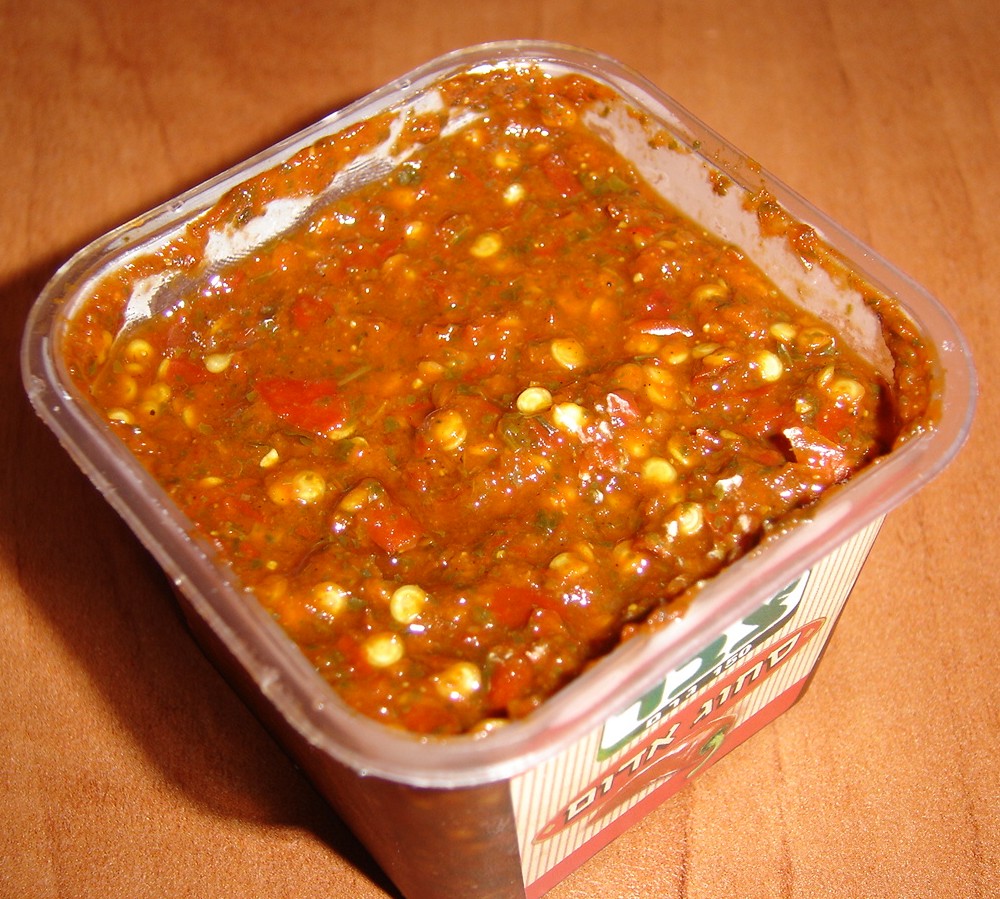
A Yemeni hot sauce of crushed chilies, garlic, and corianderHot and fiery · Sharp and pungent
🇾🇪 Yemen and 1 moreZhugسحوق
A Yemeni hot sauce of crushed chilies, garlic, and corianderHot and fiery · Sharp and pungent
 🇯🇵 JapanShichimi七味唐辛子
A Japanese seven-ingredient spice blend for finishing soups and noodlesBlend · Hot and fiery · Citrus and bright
🇯🇵 JapanShichimi七味唐辛子
A Japanese seven-ingredient spice blend for finishing soups and noodlesBlend · Hot and fiery · Citrus and bright
 🇮🇳 India and 2 moreCardamom
Aromatic seeds from spindle-shaped pods used in sweet and savory dishes across Asia and the Middle East.Seed · Sharp and pungent · Warm and sweet-spiced
🇮🇳 India and 2 moreCardamom
Aromatic seeds from spindle-shaped pods used in sweet and savory dishes across Asia and the Middle East.Seed · Sharp and pungent · Warm and sweet-spiced