
Cardamom
Elettaria cardamomum, Amomum subulatum
Aromatic seeds from spindle-shaped pods used in sweet and savory dishes across Asia and the Middle East.
Cardamom consists of seeds from plants in the Elettaria and Amomum genera within the ginger family. Native to tropical Asia, it is now cultivated mainly in India, Indonesia, and Guatemala for its strong, resinous flavor.
- Native to the Indian subcontinent and Indonesia.
- Pods are triangular in cross-section and spindle-shaped.
- Essential oil content can reach up to eight percent.
- Cultivated mainly in India, Indonesia, and Guatemala today.
- Used in Scandinavian Yule bread and Indian masala chai.
What is Cardamom?
Cardamom refers to the seeds harvested from several plant species belonging to the Elettaria and Amomum genera. These plants belong to the Zingiberaceae family, which also includes ginger. The spice is easily identified by its small, spindle-shaped seed pods that have a triangular cross-section. True cardamom, or green cardamom, comes from Elettaria cardamomum and features light green pods. Black cardamom comes from Amomum subulatum and has larger, dark brown pods. Inside these thin, papery shells lie clusters of tiny black seeds. The spice carries a powerful, aromatic scent described as resinous. Green cardamom offers a pungent and warm taste, while black cardamom provides a distinct smoky aroma with a cooling sensation similar to mint.
Where does Cardamom come from?
The plants used for cardamom are native to the tropical and subtropical regions of Asia, particularly the Indian subcontinent and Indonesia. Historical records indicate that cardamom was known in ancient Sumer and was utilized in Ayurvedic medicine. The modern name derives from Latin and Greek roots, with early mentions found in Mycenaean Greek texts written in Linear B script on spice tablets. The genus name Elettaria originates from the Dravidian root word ēlam. While indigenous to South Asia, cultivation expanded significantly over centuries, reaching Southeast Asia and later Central America.
What does Cardamom taste like?
The flavor profile of cardamom is intense and complex, driven by its essential oil content which can reach up to eight percent in the seeds. Key chemical compounds include α-terpineol, myrcene, limonene, and menthone, which contribute to its characteristic taste. Green cardamom is noted for its strong, aromatic, and resinous fragrance with a warm, pungent bite. Black cardamom differs significantly, offering a smoky, non-bitter aroma accompanied by a coolness comparable to mint. The potency of the spice means only small quantities are required to impart significant flavor to dishes.
How Cardamom is grown and processed
Cardamom is grown in tropical climates, often at elevations above six hundred meters for higher quality. In India, plants are traditionally cleared from forest areas called eld-kandies. Seedlings grow slowly, reaching about thirty centimeters in their first year. Flowering occurs between April and May, with fruits swelling in August and September. Harvest takes place from October to November when the pods ripen. The pods are picked, spread out on prepared floors, and dried in the sun for four to five days. Artificial heat or steam bleaching may be used during rainy weather to preserve color and ensure drying.
Cardamom, drawn
How Cardamom is used
Cooking with cardamom involves using either whole pods or ground seeds. Green cardamom is a staple in Indian cooking, featured in both savory dishes and traditional sweets like masala chai. It is also common in Nordic baking, appearing in Swedish buns and Finnish sweet breads. In the Middle East, it flavors coffee, tea, and sweet dishes, sometimes being ground together with coffee beans. Black cardamom is frequently used in savory preparations and spice mixes such as Thai curry pastes and Yemeni hawaij. Individual seeds are occasionally chewed as a breath freshener, similar to gum.
Cardamom in the world's kitchens
Indian cuisine relies heavily on green cardamom for both sweet and savory applications, often pairing it with basmati rice. Nepali and Thai cuisines incorporate it into complex spice blends and curry pastes. Yemeni cooking uses it in hawaij mixes. In the Middle East, it is standard in coffee and tea preparations. Scandinavian countries, specifically Sweden, Norway, and Finland, use it extensively in winter baked goods and sweet breads. Korean cuisine utilizes specific local varieties like Tavoy cardamom in traditional teas.
At a glance: where it turns up
Spiritual use
Celebrations


Spiritual and ceremonial use
Cardamom holds a place in Ayurveda, the traditional system of medicine in India. It has been referenced in ancient texts and used within this framework for centuries. The spice is also connected to historical religious and cultural practices in Sumer. While not exclusively a ritual object, its presence in traditional medicine highlights its perceived value beyond mere culinary enhancement.
Cardamom at celebrations
In Scandinavia, cardamom is associated with festive baking, particularly during the Yule season. It is a primary flavor in Julekake, a traditional Christmas bread. This seasonal usage ties the spice to holiday celebrations and winter gatherings in Northern Europe. In other regions, its use in daily cooking and hospitality drinks like masala chai makes it a constant presence rather than one limited to specific annual festivals.
Traditional and medicinal use
Ayurveda recognizes cardamom for its medicinal properties, though these uses are described as traditional beliefs rather than proven medical facts. Historically, it has been used as a masticatory and in smoke treatments. In folk contexts, chewing the seeds serves as a method to neutralize breath odors. Some traditional processing methods involve bleaching pods with steam or sulphurous vapors to maintain their appearance, reflecting older preservation techniques.
Buying and storing Cardamom
To maintain quality, cardamom should be stored in its whole pods rather than as exposed seeds. Ground cardamom loses its flavor quickly once separated from the pod. Keeping the seeds intact preserves the essential oils longer. When purchasing, look for whole pods that retain their color and aroma, avoiding those that appear dull or powdery.
What to use instead of Cardamom
Green and black cardamom are not interchangeable due to their distinct flavor profiles. Green cardamom is sweeter and more floral, while black cardamom is smoky. If green cardamom is unavailable, other aromatic spices like cardamon or cardamum might be referenced historically, but no direct single substitute replicates its unique resinous taste. Cooks must choose based on whether a dish requires a sweet warmth or a smoky depth.
The trade in Cardamom
Global production is led by India, Indonesia, and Guatemala, which together account for the majority of the world's supply. Guatemala surpassed India in production volume in the late twentieth century. The trade is influenced by price cycles lasting five to six years. Major importing nations include Saudi Arabia, Kuwait, Germany, Japan, and the United Kingdom. Historically, ports like Bombay and Madras were central to distribution. Despite high export volumes from some countries, domestic consumption remains significant, especially in India.
Meal
This spice appears across various daily meals and occasions. It is a key ingredient in breakfast drinks like spiced tea and coffee. It features prominently in desserts, including Scandinavian baked goods and Indian sweets. It is also used in snacks, where seeds are chewed directly. Furthermore, it enhances lunch and dinner dishes, particularly rice preparations and curries in Asian cuisines. Its versatility allows it to bridge the gap between morning beverages and evening savory meals.
Blends with Cardamom
Questions people ask about Cardamom
What is cardamom?
It is a spice made from the seeds of plants in the Elettaria and Amomum genera. The seeds are enclosed in small, spindle-shaped pods that are either light green or dark brown depending on the variety.
Where does cardamom come from?
The plants are native to tropical and subtropical Asia, specifically the Indian subcontinent and Indonesia. Today, major production occurs in India, Indonesia, and Guatemala.
How does cardamom taste?
Green cardamom has a strong, aromatic, and resinous flavor with a warm pungency. Black cardamom offers a smoky aroma with a cooling sensation similar to mint.
How is cardamom used in cooking?
It is used in both sweet and savory dishes. Common uses include flavoring Indian sweets, Nordic baked goods, Middle Eastern coffee, and Thai curry pastes.
Good reading and sources
- Cardamom on WikipediaEncyclopedia
- More photos on Wikimedia CommonsPhotos and video
- Wikidata recordOpen data
The facts on this page come from the Wikipedia article "Cardamom", written by its contributors and used under the CC BY-SA 4.0 licence, and from its Wikidata record (CC0). EveryMasala rewrote the text in its own words, with AI assistance, and compares every page with the article to make sure no passage is copied. It may be reused under the same CC BY-SA 4.0 licence with a link back.
It may contain mistakes. Names, strengths and customs differ from one grower, kitchen or shop to the next. Traditional and medicinal uses are described as tradition, never as medical advice, and none of this is a substitute for a doctor. If something is wrong, tell us. Last refreshed 2026-10-05.
More from India
All the spices of India 🇮🇳 India and 4 moreFennel
The anise-scented seeds and crisp bulb of a Mediterranean perennial herbSeed · Anise and liquorice · Sweet and mellow
🇮🇳 India and 4 moreFennel
The anise-scented seeds and crisp bulb of a Mediterranean perennial herbSeed · Anise and liquorice · Sweet and mellow
 🇮🇳 IndiaMalabar pepper
A Geographical Indication black pepper from Kerala and neighbouring regions.Seed · Sharp and pungent
🇮🇳 IndiaMalabar pepper
A Geographical Indication black pepper from Kerala and neighbouring regions.Seed · Sharp and pungent
 🇮🇳 India and 5 moreMustard seed
Tiny seeds from Brassica plants that become a sharp condiment or cooking oil.Seed · Sharp and pungent · Hot and fiery
🇮🇳 India and 5 moreMustard seed
Tiny seeds from Brassica plants that become a sharp condiment or cooking oil.Seed · Sharp and pungent · Hot and fiery
 🇮🇳 IndiaAmchoorआमचूर
A sour powder made from dried unripe green mangoes, used to add tang to Indian dishes.Seed · Sour and tart · Citrus and bright
🇮🇳 IndiaAmchoorआमचूर
A sour powder made from dried unripe green mangoes, used to add tang to Indian dishes.Seed · Sour and tart · Citrus and bright
Its cousins elsewhere
All seed 🇮🇳 India and 4 moreCurry paste
A blended mixture of spices and aromatics used as the base for curries in Asia.Warm and sweet-spiced · Earthy and deep
🇮🇳 India and 4 moreCurry paste
A blended mixture of spices and aromatics used as the base for curries in Asia.Warm and sweet-spiced · Earthy and deep
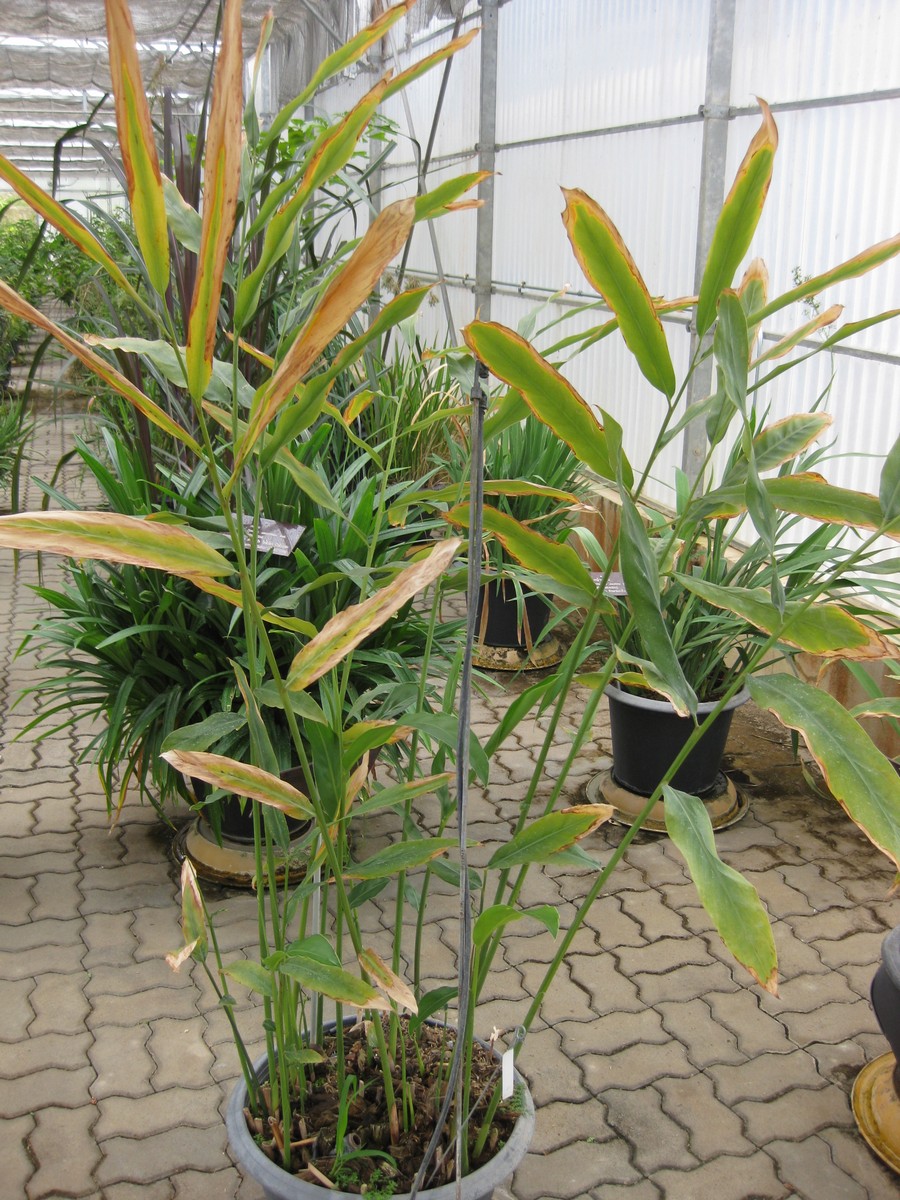 🇮🇩 Indonesia and 5 moreGreater galangalข่า
The pungent rhizome of a ginger relative, essential in Southeast Asian soups and curries.Root · Sharp and pungent · Citrus and bright
🇮🇩 Indonesia and 3 moreGalangal
The pungent rhizome of the ginger family, essential to Southeast Asian soups and pastes.Root · Sharp and pungent · Warm and sweet-spiced
🇮🇩 Indonesia and 5 moreGreater galangalข่า
The pungent rhizome of a ginger relative, essential in Southeast Asian soups and curries.Root · Sharp and pungent · Citrus and bright
🇮🇩 Indonesia and 3 moreGalangal
The pungent rhizome of the ginger family, essential to Southeast Asian soups and pastes.Root · Sharp and pungent · Warm and sweet-spiced
 🇵🇪 Peru and 3 morePink peppercornmulli
The dried pink drupes of the Schinus molle tree, sold as a peppery alternative to black pepper.Fruit · Sharp and pungent · Citrus and bright
🇵🇪 Peru and 3 morePink peppercornmulli
The dried pink drupes of the Schinus molle tree, sold as a peppery alternative to black pepper.Fruit · Sharp and pungent · Citrus and bright