Hindu: spices in ritual
Turmeric and kumkum at the puja, incense, camphor and the prasad of the temple.
In Hindu practice, spices appear in worship, in festival food and in the kitchen, and several, especially turmeric, are described by many practitioners as auspicious. Customs differ widely by region, family and sect.
In worship
Turmeric and kumkum, a red powder often made from turmeric, are applied to images and to the forehead in many households. Sandalwood paste, camphor, incense and cloves or cardamom are offered at puja in some traditions. Practice varies by temple and family.
In food and festivals
Offerings of food, called prasad, are often sweet and spiced with cardamom or saffron. During Navratri and other fasts, many observers use only certain spices, such as rock salt, cumin and black pepper, in line with the rules of the fast they keep. Satvik cooking, followed by some, avoids onion and garlic, and often uses asafoetida in their place.
In ceremony
Turmeric is applied in the haldi ceremony before many weddings and is tied to a thread in some rites. Spices, rice and betel leaf appear in rituals marking births, marriages and remembrance. Those who keep these customs describe them as expressions of blessing and purity.
Hindu on EveryMasala
The spices written up so far, best known first.
 🇱🇰 Sri Lanka and 5 moreCinnamon
The dried inner bark of Cinnamomum trees, prized for its sweet warmth and essential oil.Bark · Warm and sweet-spiced · Sweet and mellow
🇱🇰 Sri Lanka and 5 moreCinnamon
The dried inner bark of Cinnamomum trees, prized for its sweet warmth and essential oil.Bark · Warm and sweet-spiced · Sweet and mellow
 🇮🇳 India and 4 moreBasil
A tender culinary herb with glossy leaves and a licorice-like aroma, native to tropical Asia.Leaf · Anise and liquorice · Warm and sweet-spiced
🇮🇳 India and 4 moreBasil
A tender culinary herb with glossy leaves and a licorice-like aroma, native to tropical Asia.Leaf · Anise and liquorice · Warm and sweet-spiced
 🇮🇷 Iran and 4 moreSaffronزعفران
The dried crimson stigmas of the autumn-blooming saffron crocus.Stigma · Sharp and pungent · Bitter
🇮🇷 Iran and 4 moreSaffronزعفران
The dried crimson stigmas of the autumn-blooming saffron crocus.Stigma · Sharp and pungent · Bitter
 🇵🇸 Palestine and 4 moreGreek sage
A hairy Mediterranean shrub with pink flowers and edible fruit galls.Leaf · Herbal and green · Sweet and mellow
🇵🇸 Palestine and 4 moreGreek sage
A hairy Mediterranean shrub with pink flowers and edible fruit galls.Leaf · Herbal and green · Sweet and mellow
 🇹🇭 Thailand and 4 moreBenzoin resin
A sweet balsamic tree resin used in incense, perfumes, and traditional medicine.Resin · Sweet and mellow
🇹🇭 Thailand and 4 moreBenzoin resin
A sweet balsamic tree resin used in incense, perfumes, and traditional medicine.Resin · Sweet and mellow
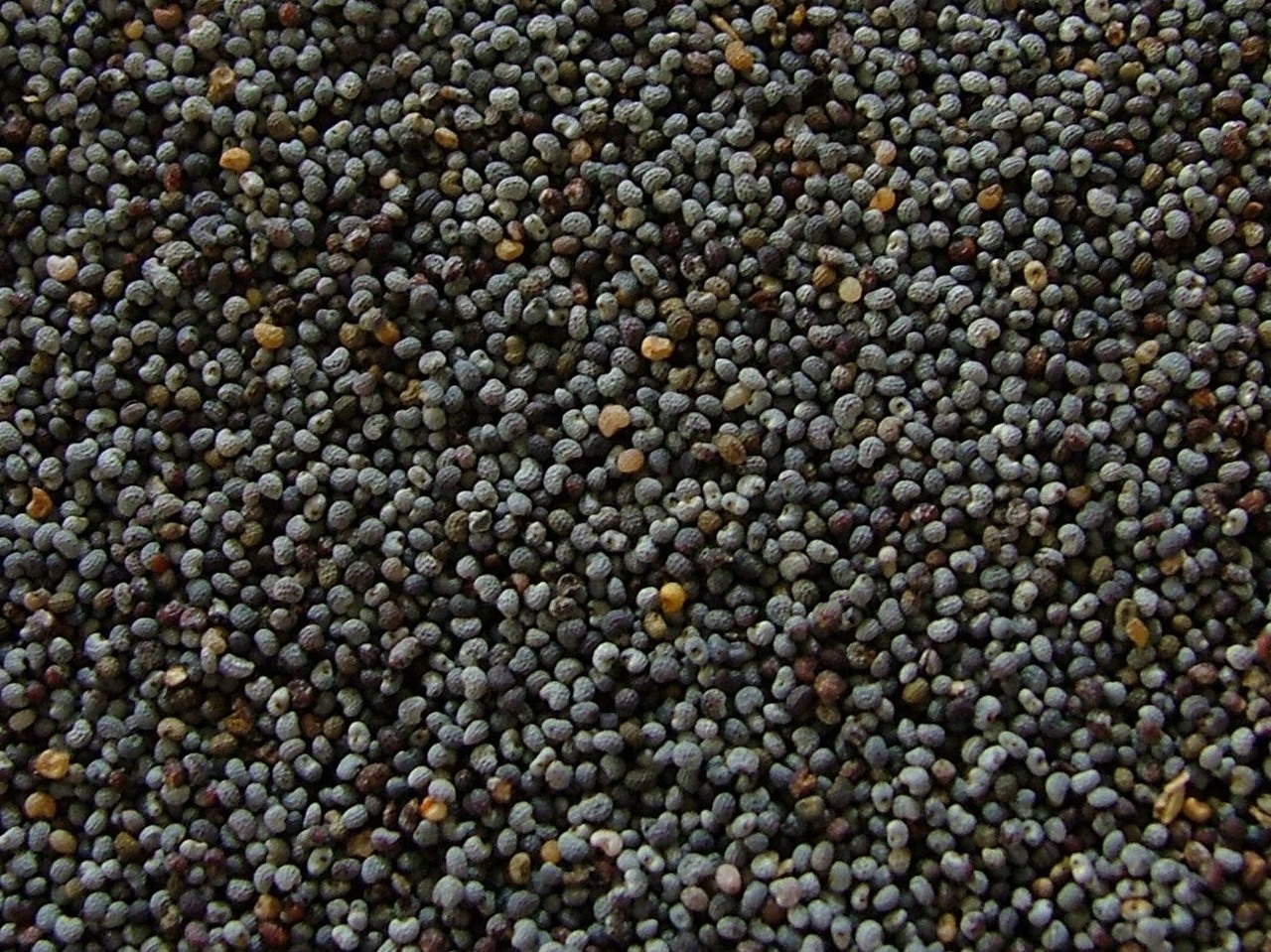 🇹🇷 Turkey and 5 morePoppy seed
The tiny kidney-shaped oilseed of the opium poppy, used in baking and cooking across Europe and South Asia.Seed · Earthy and deep
🇹🇷 Turkey and 5 morePoppy seed
The tiny kidney-shaped oilseed of the opium poppy, used in baking and cooking across Europe and South Asia.Seed · Earthy and deep
 🇮🇳 IndiaKewraकेवड़ा
A fragrant essential oil distilled from the male flowers of the screwpine plant.Resin · Sweet and mellow · Floral and perfumed
🇮🇳 IndiaKewraकेवड़ा
A fragrant essential oil distilled from the male flowers of the screwpine plant.Resin · Sweet and mellow · Floral and perfumed
 🇮🇳 IndiaErode TurmericErodu Manjal
A Geographical Indication turmeric from Tamil Nadu with high curcumin content.Root · Earthy and deep · Bitter
🇮🇳 IndiaErode TurmericErodu Manjal
A Geographical Indication turmeric from Tamil Nadu with high curcumin content.Root · Earthy and deep · Bitter
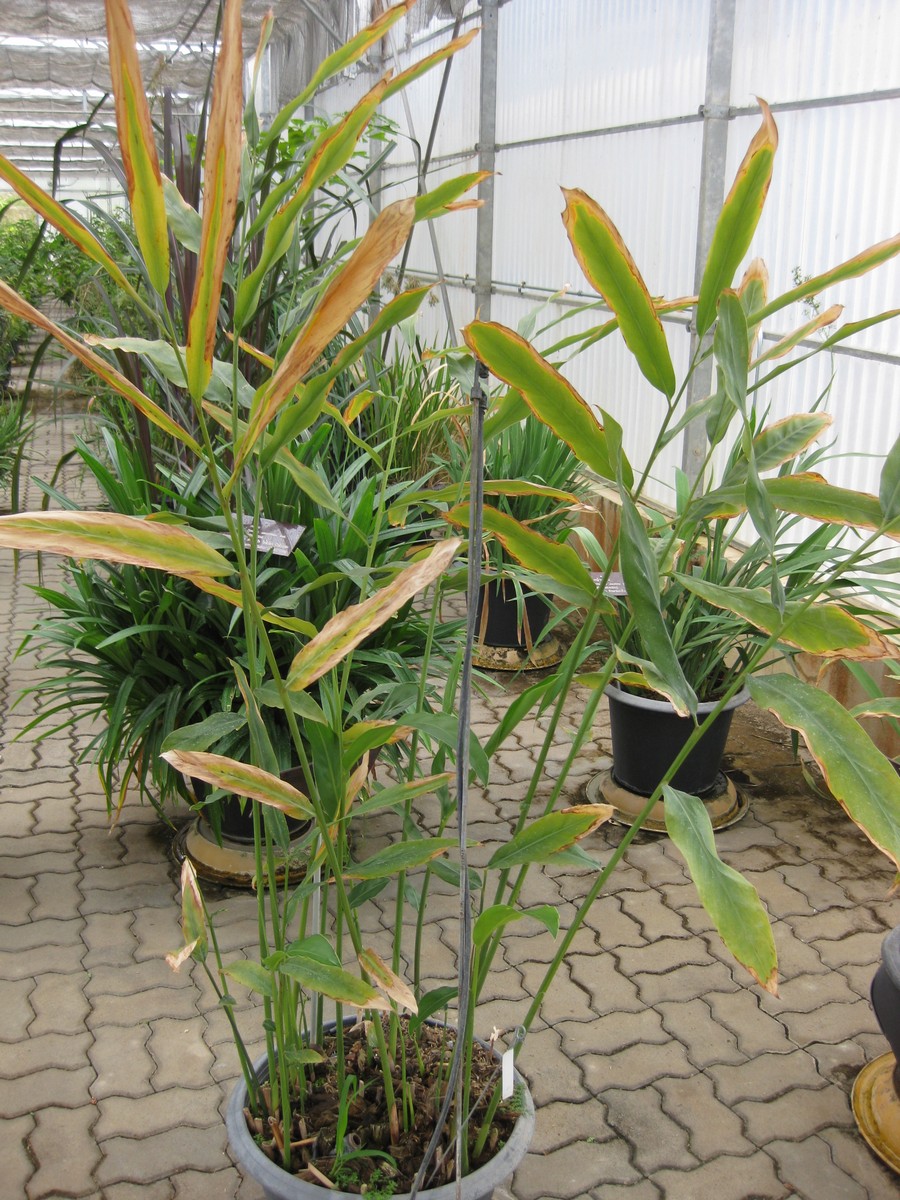 🇮🇩 Indonesia and 5 moreGreater galangalข่า
The pungent rhizome of a ginger relative, essential in Southeast Asian soups and curries.Root · Sharp and pungent · Citrus and bright
🇮🇩 Indonesia and 5 moreGreater galangalข่า
The pungent rhizome of a ginger relative, essential in Southeast Asian soups and curries.Root · Sharp and pungent · Citrus and bright
 🇮🇷 Iran and 2 moreAsafoetida
A pungent gum-resin from the Ferula plant, used as a garlic and onion substitute in South Asian cooking.Resin · Sharp and pungent · Earthy and deep
🇮🇷 Iran and 2 moreAsafoetida
A pungent gum-resin from the Ferula plant, used as a garlic and onion substitute in South Asian cooking.Resin · Sharp and pungent · Earthy and deep
 🇬🇷 Greece and 4 moreThyme
The dried leaves of a Mediterranean mint-family herb, used to perfume stews and baths alike.Leaf · Earthy and deep · Warm and sweet-spiced
🇬🇷 Greece and 4 moreThyme
The dried leaves of a Mediterranean mint-family herb, used to perfume stews and baths alike.Leaf · Earthy and deep · Warm and sweet-spiced
 🇮🇳 India and 5 moreMustard seed
Tiny seeds from Brassica plants that become a sharp condiment or cooking oil.Seed · Sharp and pungent · Hot and fiery
🇯🇵 Japan and 4 moreMugwort艾草 (ài cǎo)
Aromatic leaves from the Artemisia genus used in Asian cuisine and traditional medicine.Leaf · Bitter · Herbal and green
🇮🇳 India and 5 moreMustard seed
Tiny seeds from Brassica plants that become a sharp condiment or cooking oil.Seed · Sharp and pungent · Hot and fiery
🇯🇵 Japan and 4 moreMugwort艾草 (ài cǎo)
Aromatic leaves from the Artemisia genus used in Asian cuisine and traditional medicine.Leaf · Bitter · Herbal and green
 🇹🇷 Turkey and 5 moreBay Laurelδάφνη
The dried leaf of a Mediterranean evergreen, used to infuse slow-cooked dishes with herbal depth.Sharp and pungent · Bitter
🇹🇷 Turkey and 5 moreBay Laurelδάφνη
The dried leaf of a Mediterranean evergreen, used to infuse slow-cooked dishes with herbal depth.Sharp and pungent · Bitter
 🇬🇳 Guinea and 5 moreGrains of paradise
The pungent, citrus-tinged seeds of a West African ginger relative.Seed · Sharp and pungent · Hot and fiery
🇬🇳 Guinea and 5 moreGrains of paradise
The pungent, citrus-tinged seeds of a West African ginger relative.Seed · Sharp and pungent · Hot and fiery
 🇮🇳 India and 1 moreIndian costusकुष्ठ (kuṣṭha)
The dried root of a Himalayan thistle, used for centuries in perfumes and traditional remedies.Root · Hot and fiery · Sharp and pungent
🇮🇳 India and 1 moreIndian costusकुष्ठ (kuṣṭha)
The dried root of a Himalayan thistle, used for centuries in perfumes and traditional remedies.Root · Hot and fiery · Sharp and pungent
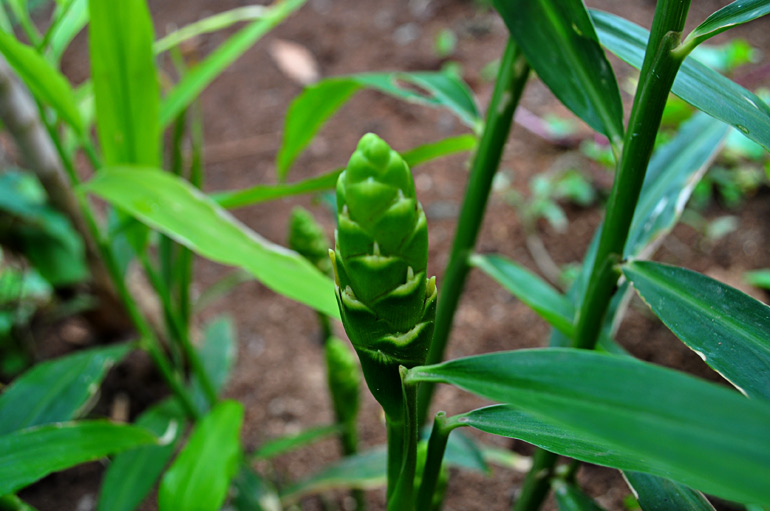 🇮🇩 Indonesia and 5 moreGinger
The pungent rhizome of a flowering perennial, one of the world's most traded spices.Root · Hot and fiery · Sharp and pungent
🇮🇩 Indonesia and 5 moreGinger
The pungent rhizome of a flowering perennial, one of the world's most traded spices.Root · Hot and fiery · Sharp and pungent
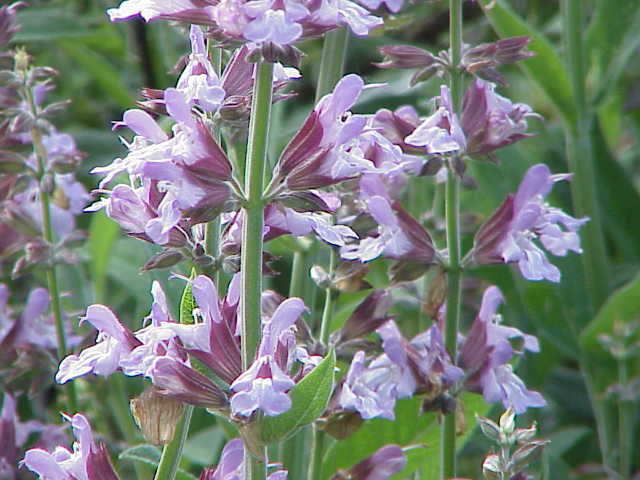 🇮🇹 Italy and 2 moreCommon sage
The gray-green leaves of a Mediterranean perennial used in European roasts and traditional remedies.Leaf · Herbal and green
🇮🇹 Italy and 2 moreCommon sage
The gray-green leaves of a Mediterranean perennial used in European roasts and traditional remedies.Leaf · Herbal and green
 🇸🇾 Syria and 5 moreSumac
A tart, crimson spice made from ground berries of the Rhus coriaria shrub.Seed · Sour and tart · Citrus and bright
🇸🇾 Syria and 5 moreSumac
A tart, crimson spice made from ground berries of the Rhus coriaria shrub.Seed · Sour and tart · Citrus and bright
 🇮🇳 India and 5 moreTurmericहल्दी
The dried rhizome of a tropical ginger relative, prized for its golden color and earthy bite.Root · Warm and sweet-spiced · Bitter
🇮🇳 India and 5 moreTurmericहल्दी
The dried rhizome of a tropical ginger relative, prized for its golden color and earthy bite.Root · Warm and sweet-spiced · Bitter
 🇮🇳 India and 5 moreGinger
The pungent rhizome of a flowering plant, widely used as a spice and folk medicine.Root · Hot and fiery · Sharp and pungent
🇮🇳 India and 5 moreGinger
The pungent rhizome of a flowering plant, widely used as a spice and folk medicine.Root · Hot and fiery · Sharp and pungent
 🇮🇳 India and 5 moreMustard seed
Tiny seeds from three Brassica plants that create pungent condiments and cooking oil.Seed · Hot and fiery · Sharp and pungent
🇮🇳 India and 5 moreMustard seed
Tiny seeds from three Brassica plants that create pungent condiments and cooking oil.Seed · Hot and fiery · Sharp and pungent
Photo credits on this page
The small pictures above come from Wikimedia Commons under free licences. Some are cropped to fit.
- Cinnamon: Luc Viatour, CC BY-SA 3.0, source
- Indian costus: Vinayaraj, CC BY-SA 4.0, source
- Turmeric: J.M.Garg, CC BY 3.0, source
- Grains of paradise: Lemmikkipuu, CC BY-SA 3.0, source
- Sicilian sumac: Dedda71, CC BY-SA 3.0, source
- Benzoin resin: Wibowo Djatmiko ( Wie146 ), CC BY-SA 3.0, source
- Ginger: Forest & Kim Starr, CC BY 3.0, source
- Mustard seed: Novalis at en.wikipedia, CC BY-SA 3.0, source
- Asafoetida: Toyah, CC BY-SA 3.0, source
- Poppy seed: Odedr, Public domain, source
- Kewra: Miansari66, Public domain, source
- Greek sage: This file is a work by Ester Inbar ( user:ST or he:user:ST ). More of, Attribution, source
- Erode Turmeric: Sivaranjani, CC BY-SA 3.0, source
- Greater galangal: Raffi Kojian, CC BY-SA 3.0, source
- Thyme: Evan-Amos, CC0, source
- Ginger: Venkatx5, CC BY-SA 3.0, source
- Common sage: Kurt Stüber [1], CC BY-SA 3.0, source
- Mustard seed: Pancrat, CC BY-SA 3.0, source
- Basil: Castielli, CC BY-SA 3.0, source
- Saffron: Hubertl, CC BY-SA 4.0, source
- Bay Laurel: Forest and Kim Starr, CC BY 3.0 us, source