
Herbes de Provence
In its own language: èrbas de Provença
A dried herb blend from southwestern France, now a global kitchen staple.
This is a mix of dried herbs that defines the cooking style of the Provence region in France. It typically includes rosemary, thyme, savory, and oregano, often with basil or lavender. Cooks use it to season grilled meats, stews, and salads.
- Commercial blends began in the 1970s.
- Most herbs are imported from Europe and Asia.
- Lavender is common in North American versions.
- Used primarily for grilled meats and stews.
- No legal protection for the geographical name.
What is Herbes de Provence?
Herbes de Provence is a dry mixture of crushed leaves used to season food. It comes from the Provence area in southwestern France. The blend usually holds rosemary, thyme, summer savory, and oregano. Other common additions are basil, bay leaves, tarragon, and black pepper. In North America, lavender buds often appear in the mix. The result is an earthy, pungent scent with a warm herbal taste. It looks like a coarse green powder with bits of brown stems and dried flowers.
Where does Herbes de Provence come from?
The name started as a simple description for herbs found in the region. People did not sell them as a fixed mix until the 1970s. Spice wholesalers created specific recipes to meet market demand. One early maker was Ducros, which later joined a larger company. Despite the French name, most of the herbs sold under this label today do not grow in France. They come from Poland, Albania, China, and parts of North Africa. Only a small fraction is actually produced locally.
What does Herbes de Provence taste like?
The taste is defined by strong woody and minty notes. Rosemary and thyme provide a pine-like sharpness. Savory adds a peppery bite. Oregano contributes a slightly bitter depth. Black pepper gives a mild heat. Lavender, when present, offers a floral sweetness. The combination creates a complex profile that is both fresh and dried. The aroma is intense and travels well through cooked dishes.
How Herbes de Provence is grown and processed
The herbs are grown in various climates across Europe and Asia. Farmers harvest the leaves when they are fully mature. The plants are then dried to remove moisture. This preserves the flavor and allows for long storage. Wholesalers buy the dried leaves from different regions. They sort and grind them into specific ratios. Some quality labels define exact percentages for each ingredient. The final product is packaged in bags for sale.
Herbes de Provence, drawn
How Herbes de Provence is used
Cooking with this blend is simple and versatile. It works best on grilled fish and meats. You can sprinkle it directly on the food before cooking. It also goes well into vegetable stews and soups. Chefs sometimes mix it with oil and roast it lightly first. This releases the oils for better flavor. It fits into vinaigrettes for salads too. Sprinkling it on fresh goat cheese is another popular use.
Herbes de Provence in the world's kitchens
Provençal cuisine relies heavily on these herbs. The blend represents the local agricultural tradition. However, modern production has changed where the ingredients come from. French brands sell mixes made from imported herbs. Other cuisines have adopted similar blends. Italian seasoning shares many of the same components. North American markets often add lavender to suit local tastes.
At a glance: where it turns up

Spiritual and ceremonial use
There are no known religious rituals involving this spice. It is not used in sacred ceremonies or offerings. The herbs themselves have historical medicinal uses in folk medicine, but the blend is purely culinary. It does not hold spiritual significance in any major faith.
Herbes de Provence at celebrations
The spice is not tied to specific festivals or holidays. It is not part of wedding feasts or birth celebrations. People use it in daily cooking routines. It is available year-round in stores. There are no special occasions that require this particular mix.
Traditional and medicinal use
Traditional medicine systems may use individual herbs like rosemary or thyme for health. However, the commercial blend is not a remedy. No doses or cures are associated with it. It is safe to eat as a seasoning. Some people might be allergic to specific herbs in the mix. Always check ingredients if you have sensitivities.
Buying and storing Herbes de Provence
Keep the blend in a sealed container. Store it away from light and heat. A cool pantry is ideal. Dried herbs lose flavor over time. Use them within six months for the best taste. If the scent fades, the blend is past its prime.
What to use instead of Herbes de Provence
Italian seasoning is the closest alternative. It contains similar herbs like oregano and thyme. Fines herbes offer a fresher, greener taste. They include parsley and chives instead of dried woody herbs. If you need a single herb, thyme or rosemary works alone. Lavender can replace itself only if you want that floral note.
The trade in Herbes de Provence
The spice trade for this blend is global. Wholesalers source herbs from multiple continents. Poland and Albania are major suppliers. China also produces significant quantities. The low price in Provence reflects bulk imports. Legal definitions do not protect the name strictly. Any producer can use the label. This has led to variations in quality and composition worldwide.
Meal
This spice belongs to everyday meals. It is common at lunch and dinner. Grilled meats and stews are typical main courses. It also appears in snacks like seasoned cheeses. Home cooks use it regularly rather than just for special events. The blend is flexible enough for quick weeknight dinners.
Questions people ask about Herbes de Provence
What herbs are in Herbes de Provence?
It typically contains rosemary, thyme, savory, and oregano. Basil, bay leaves, tarragon, and black pepper are also common. North American versions often include lavender buds.
Where does this spice come from?
It originates from the Provence region of France. However, most herbs are now grown in Poland, Albania, China, and North Africa before being mixed.
How should I use Herbes de Provence?
Sprinkle it on grilled meats, fish, or vegetables. Add it to stews and soups. Mix it with oil for roasting or stir it into vinaigrettes and fresh cheese.
Is it spicy or hot?
It is not hot like chili peppers. It has a warm, pungent, and herbal flavor. Black pepper provides a mild bite, but there is no capsaicin heat.
Good reading and sources
- Herbes de Provence on WikipediaEncyclopedia
- More photos on Wikimedia CommonsPhotos and video
- Wikidata recordOpen data
The facts on this page come from the Wikipedia article "Herbes de Provence", written by its contributors and used under the CC BY-SA 4.0 licence, and from its Wikidata record (CC0). EveryMasala rewrote the text in its own words, with AI assistance, and compares every page with the article to make sure no passage is copied. It may be reused under the same CC BY-SA 4.0 licence with a link back.
It may contain mistakes. Names, strengths and customs differ from one grower, kitchen or shop to the next. Traditional and medicinal uses are described as tradition, never as medical advice, and none of this is a substitute for a doctor. If something is wrong, tell us. Last refreshed 2026-10-04.
More from France
All the spices of France 🇫🇷 France and 1 moreDijon mustardMoutarde de Dijon
A sharp condiment made from brown mustard seeds and white wine or verjuice, originating in Burgundy.Sharp and pungent · Sour and tart
🇫🇷 France and 1 moreDijon mustardMoutarde de Dijon
A sharp condiment made from brown mustard seeds and white wine or verjuice, originating in Burgundy.Sharp and pungent · Sour and tart
 🇮🇹 Italy and 5 moreMustard
A pungent paste made from ground mustard seeds mixed with liquid and spices.Paste · Sharp and pungent · Hot and fiery
🇮🇹 Italy and 5 moreMustard
A pungent paste made from ground mustard seeds mixed with liquid and spices.Paste · Sharp and pungent · Hot and fiery
 🇫🇷 France and 1 moreEspelette pepperpiment d'Espelette
A mild Basque chili with sweet, fruity notes and protected origin status.Chilli · Sweet and mellow · Hot and fiery
🇫🇷 France and 1 moreEspelette pepperpiment d'Espelette
A mild Basque chili with sweet, fruity notes and protected origin status.Chilli · Sweet and mellow · Hot and fiery
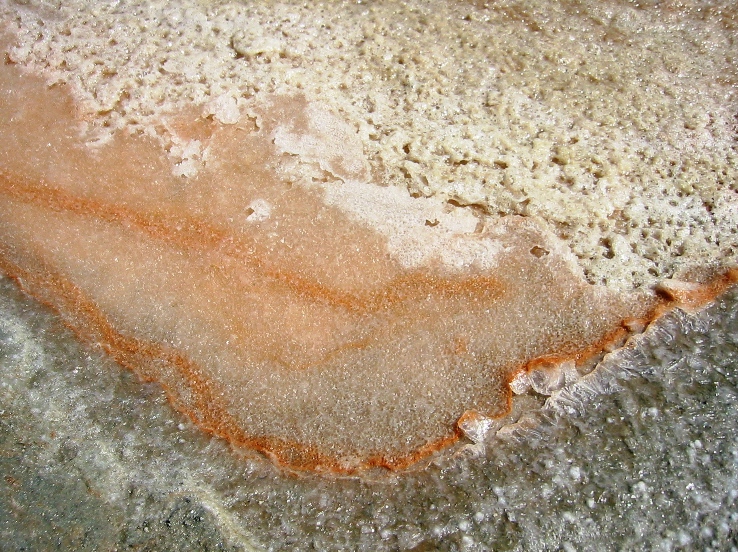 🇫🇷 France and 5 moreFleur de sel
A hand-raked crust of sea salt crystals gathered from evaporation pans.Earthy and deep
🇫🇷 France and 5 moreFleur de sel
A hand-raked crust of sea salt crystals gathered from evaporation pans.Earthy and deep
Its cousins elsewhere
 🇦🇫 Afghanistan and 5 moreLovageлюбисток
A tall European herb with celery-like leaves and spicy seeds used in soups and broths.Leaf · Sharp and pungent · Herbal and green
🇦🇫 Afghanistan and 5 moreLovageлюбисток
A tall European herb with celery-like leaves and spicy seeds used in soups and broths.Leaf · Sharp and pungent · Herbal and green
 🇨🇦 CanadaMontreal steak seasoning
A dry rub of garlic, pepper, and dill for grilling meat, born in Montreal delis.Sharp and pungent · Warm and sweet-spiced
🇨🇦 CanadaMontreal steak seasoning
A dry rub of garlic, pepper, and dill for grilling meat, born in Montreal delis.Sharp and pungent · Warm and sweet-spiced
 🇲🇽 Mexico and 2 moreMexican oreganoorégano cimarrón
A fragrant shrub from the Americas, its leaves provide a thyme-like herbal note distinct from Mediterranean oregano.Warm and sweet-spiced · Sharp and pungent
🇲🇽 Mexico and 2 moreMexican oreganoorégano cimarrón
A fragrant shrub from the Americas, its leaves provide a thyme-like herbal note distinct from Mediterranean oregano.Warm and sweet-spiced · Sharp and pungent
 🇹🇷 Turkey and 5 moreBay Laurelδάφνη
The dried leaf of a Mediterranean evergreen, used to infuse slow-cooked dishes with herbal depth.Sharp and pungent · Bitter
🇹🇷 Turkey and 5 moreBay Laurelδάφνη
The dried leaf of a Mediterranean evergreen, used to infuse slow-cooked dishes with herbal depth.Sharp and pungent · Bitter