
Mustard
Sinapis alba, Brassica juncea, Rhamphospermum nigrum
A pungent paste made from ground mustard seeds mixed with liquid and spices.
This condiment comes from the seeds of plants in the Brassicaceae family. It offers a sharp, spicy bite that ranges from mild to hot depending on preparation and seed type. Cooks use it globally to enhance meats, vegetables, and sauces.
- Earliest evidence found at Jerf el Ahmar in Syria (9224–8753 BC).
- Heat comes from isothiocyanates released by enzymes when seeds are crushed.
- Cold water makes hotter mustard; hot water makes it milder.
- Turmeric gives American yellow mustard its bright color.
- Dijon mustard gained Appellation d'origine contrôlée status in 1937.
What is Mustard?
Mustard is a thick sauce or paste created by crushing the tiny seeds of specific plants. These plants include white mustard, brown mustard, and black mustard. The resulting mixture can look anywhere from pale yellow to deep brown. The raw seeds carry a strong, bitter, and sharp taste. When processed into a condiment, the flavor profile shifts significantly. Some versions lean toward sweetness, while others deliver a fiery punch. The texture varies from smooth purees to coarse grinds containing visible seed fragments.
Where does Mustard come from?
The earliest signs of humans eating mustard plants appear at Jerf el Ahmar in Syria. Archaeologists found ground seeds in a food residue dated between 9224 and 8753 BC. Later, cultivation spread to the Indus Valley region. In China, yellow paste emerged during the Zhou dynasty to stimulate appetite in royal courts. Roman cooks also valued the seeds, mixing them with grape juice to create a glaze for roasted meats. By the Middle Ages, production centers flourished in France and England.
What does Mustard taste like?
The heat in mustard comes from a chemical reaction inside the seed. When crushed and wetted, an enzyme called myrosinase activates. This enzyme converts glucosinolates into isothiocyanates. These compounds trigger pain receptors in the mouth and nose. The intensity depends on the seed variety and the liquid used. Cold water preserves the heat, while hot liquids reduce it. Vinegar or wine adds sourness and slows down the fading of the spice over time.
How Mustard is grown and processed
Mustard plants belong to the Brassicaceae family. They grow in various climates across Europe, Asia, and Africa. Farmers harvest the small round seeds when the pods dry on the stalk. After collection, the seeds are cleaned and separated from their husks. To make the paste, workers grind the seeds into a powder or coarse meal. This powder is then blended with water, vinegar, salt, and other seasonings to reach the desired consistency.
Mustard, drawn
How Mustard is used
Cooks use this condiment to add zest to cold and hot dishes. It sits alongside sandwiches, hamburgers, and hot dogs as a standard topping. Chefs mix it into salad dressings, marinades, and barbecue sauces. In Indian cooking, whole or ground seeds flavor curries and vegetable dishes. German cuisine features sweet varieties with sausages. The paste also acts as an emulsifier, helping oil and water mix smoothly in sauces like mayonnaise.
Mustard in the world's kitchens
Different regions prefer distinct styles. French Dijon uses brown seeds and white wine for a sharp kick. American yellow mustard relies on turmeric for color and vinegar for tang. German mustards often include sugar and cream for sweetness. Indian cuisines utilize the seeds whole in tempering oils or ground into pastes for curries. Chinese history shows early adoption of seed pastes for royal banquets. Northern European traditions favor hearty pairings with cured meats.
At a glance: where it turns up


Spiritual and ceremonial use
There are no specific religious rituals tied directly to this condiment in the provided sources. It does not hold a central place in dietary laws or sacred offerings within the referenced texts. Its role remains strictly culinary and historical rather than spiritual.
Mustard at celebrations
While it appeared at historical events like the 1904 St. Louis World's Fair, these were commercial exhibitions rather than cultural celebrations. It serves everyday dining needs rather than marking special calendar occasions.
Traditional and medicinal use
However, the plant itself contains nutrients like selenium and omega-3 fatty acids. Historically, monks in Paris produced it for local markets. The preparation methods evolved from simple seed-and-grape mixes to complex recipes involving multiple spices and preservation techniques.
Buying and storing Mustard
Keep prepared mustard in a cool, dark place to maintain its flavor. Glass jars or plastic bottles work well for storage. The acidity prevents mold growth, so refrigeration is not strictly necessary for safety. Over time, the paste may dry out or change color due to oxidation. Stirring in a little vinegar or wine can restore moisture if it becomes too thick.
What to use instead of Mustard
Cooks sometimes confuse it with horseradish or wasabi due to similar heat compounds. If you lack mustard, vinegar and pepper might provide some acidity and bite, but they will not replicate the unique enzymatic heat of the seed.
The trade in Mustard
Mustard has been a global trade item for millennia. Production hubs like Dijon became famous for their quality. The town of Tewkesbury in England exported dried mustard balls nationwide. Modern trade involves large-scale manufacturing, with brands like Grey-Poupon dominating markets. Geographical indications protect names like Dijon mustard, though enforcement varies. Seeds are grown in many countries and shipped worldwide for processing.
Meal
This condiment fits easily into lunch and snack routines. It tops fast foods like hot dogs and pretzels. Street vendors often serve it with grilled meats. It appears in dinner preparations as part of a sauce or glaze. Breakfast usage is less common but possible in savory egg dishes. It rarely accompanies desserts, staying firmly in the realm of savory meals.
Blends with Mustard
Questions people ask about Mustard
What gives mustard its heat?
The heat comes from a chemical reaction. Crushing the seeds releases an enzyme called myrosinase. This enzyme turns natural compounds into isothiocyanates. These chemicals刺激 nerve endings in your mouth and nose, creating a sharp, spicy sensation.
Where did mustard originate?
The oldest evidence of mustard use dates to Syria. Archaeologists found ground seeds at Jerf el Ahmar dating back to around 9000 BC. It later spread to India, China, and Europe, where different cultures developed their own styles.
How do I make homemade mustard?
Mix ground mustard powder with a liquid like water, vinegar, or wine. Let the mixture sit for ten minutes to activate the flavors. Use cold liquid for a hotter result and hot liquid for a milder taste. Add salt and spices to customize the flavor.
Why is American mustard yellow?
The bright yellow color comes from adding turmeric powder. This variety uses mild yellow mustard seeds and a high proportion of vinegar. It became popular in the United States after being introduced at the 1904 St. Louis World's Fair.
Does mustard need to be refrigerated?
Refrigeration is not required for safety because the acidity prevents bacteria growth. However, storing it in a cool, dark place helps preserve the flavor and prevent drying out. Once opened, keeping it cold slows down the loss of pungency over time.
Good reading and sources
- Encyclopaedia BritannicaArticle
- What's the Point of a Vinaigrette?Serious Eats, Article
- Sharp practices: Hugh Fearnley-WhittingstallThe Guardian, Article
- Mustard (condiment) on WikipediaEncyclopedia
- More photos on Wikimedia CommonsPhotos and video
- Wikidata recordOpen data
The facts on this page come from the Wikipedia article "Mustard (condiment)", written by its contributors and used under the CC BY-SA 4.0 licence, and from its Wikidata record (CC0). EveryMasala rewrote the text in its own words, with AI assistance, and compares every page with the article to make sure no passage is copied. It may be reused under the same CC BY-SA 4.0 licence with a link back.
It may contain mistakes. Names, strengths and customs differ from one grower, kitchen or shop to the next. Traditional and medicinal uses are described as tradition, never as medical advice, and none of this is a substitute for a doctor. If something is wrong, tell us. Last refreshed 2026-10-04.
More from Italy
All the spices of Italy 🇬🇧 United Kingdom and 4 moreRock samphire
A coastal succulent with peppery leaves and carrot-scented roots, used fresh or pickled.Leaf · Hot and fiery · Sharp and pungent
🇬🇧 United Kingdom and 4 moreRock samphire
A coastal succulent with peppery leaves and carrot-scented roots, used fresh or pickled.Leaf · Hot and fiery · Sharp and pungent
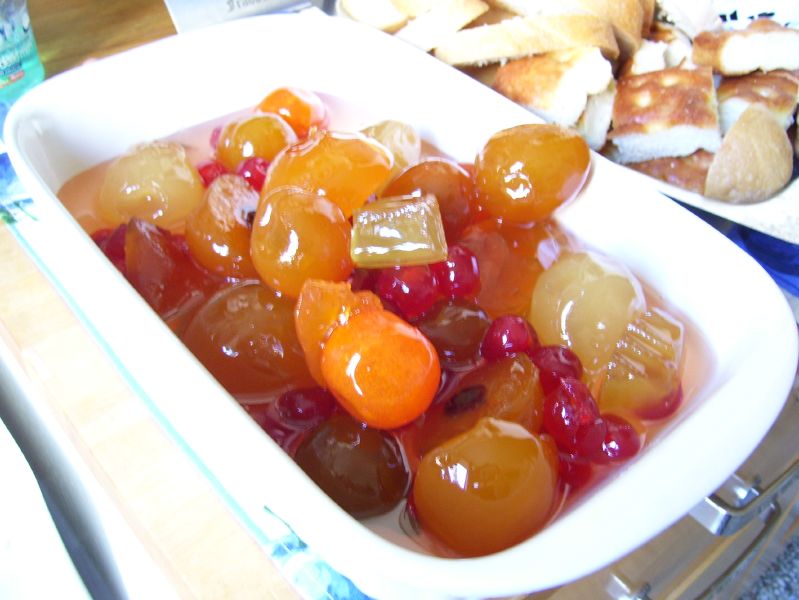 🇮🇹 ItalyMostardamostarda di frutta
A northern Italian condiment of candied fruit in a sharp mustard syrupBlend · Sweet and mellow · Sharp and pungent
🇮🇹 ItalyMostardamostarda di frutta
A northern Italian condiment of candied fruit in a sharp mustard syrupBlend · Sweet and mellow · Sharp and pungent
 🇮🇹 ItalyRed Sulmona GarlicAglio rosso di Sulmona
A traditional garlic cultivar from the Abruzzo region of Italy, grown on the Sulmona plateau.Bulb · Sharp and pungent · Earthy and deep
🇮🇹 ItalyRed Sulmona GarlicAglio rosso di Sulmona
A traditional garlic cultivar from the Abruzzo region of Italy, grown on the Sulmona plateau.Bulb · Sharp and pungent · Earthy and deep
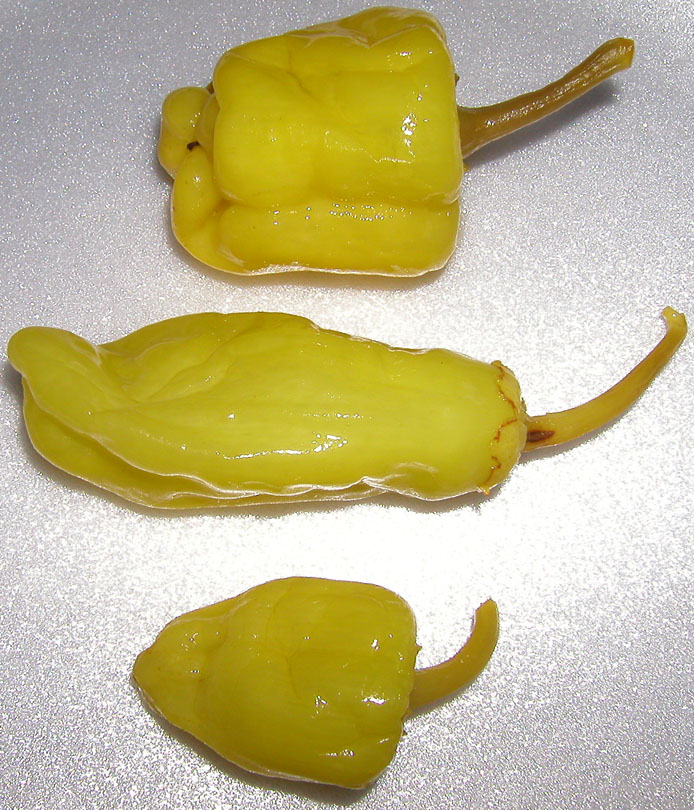 🇮🇹 Italy and 1 moreFriggitello
A mild sweet Italian chilli often pickled, known for its complex flavour and slight heat.Sweet and mellow · Hot and fiery
🇮🇹 Italy and 1 moreFriggitello
A mild sweet Italian chilli often pickled, known for its complex flavour and slight heat.Sweet and mellow · Hot and fiery
Its cousins elsewhere
All paste 🇮🇳 IndiaChaat masala
A tangy Indian spice blend for savory snacks and fruit saladsBlend · Sour and tart · Sharp and pungent
🇮🇳 IndiaChaat masala
A tangy Indian spice blend for savory snacks and fruit saladsBlend · Sour and tart · Sharp and pungent
 🇭🇺 Hungary and 5 moreHorseradish
A pungent root vegetable from Southeastern Europe used as a spicy condiment.Root · Hot and fiery · Sharp and pungent
🇭🇺 Hungary and 5 moreHorseradish
A pungent root vegetable from Southeastern Europe used as a spicy condiment.Root · Hot and fiery · Sharp and pungent
 🇪🇸 Spain and 4 moreCaper
The pickled flower buds of a drought-tolerant Mediterranean shrub.Flower · Sharp and pungent · Sour and tart
🇪🇸 Spain and 4 moreCaper
The pickled flower buds of a drought-tolerant Mediterranean shrub.Flower · Sharp and pungent · Sour and tart
 🇬🇷 Greece and 4 moreParsley
A bright green herb from the celery family, used fresh across Europe and the Middle East.Leaf · Bitter · Herbal and green
🇬🇷 Greece and 4 moreParsley
A bright green herb from the celery family, used fresh across Europe and the Middle East.Leaf · Bitter · Herbal and green