🇵🇱 The spices of Poland
5 spices from Poland, best known first.
Polish cooking builds on hearty grains, forest harvests, and slow-simmered broths seasoned with imported peppers and local salt. Centuries of trade and border shifts layered Italian herbs, French techniques, and Eastern European pickling onto a foundation of pork and root vegetables. The kitchen relies on careful salting, gentle souring, and long resting times to bring out the deep, earthy notes of groats and cabbage.
- Coarse salt from Wieliczka mines seasoned medieval tables.
- Turkish trade routes lowered pepper costs in Poland.
- Wooden barrels preserved cucumbers for winter storage.
- Twelve dishes grace the Christmas Eve family supper.
- Red and gray blood sauces coated roasted game.
Spice in Poland
This culinary tradition grew from dense forests, open fields, and busy river crossings. Farmers cultivated millet, rye, and wheat alongside wild berries and mushrooms. Nobles traded with distant markets to bring in costly seasonings. Over time, foreign cooks settled near royal courts and shared new ways to handle vegetables and dairy. Italian chefs introduced leafy greens and tomatoes, while French masters refined sauce work and pastry shaping. Neighboring communities contributed their own grain dishes and preserved meats. The result is a practical yet layered table where heavy proteins meet bright acidic cuts. Each region kept its own rhythm, borrowing freely from traders and migrants while keeping older farming habits intact.
The spices of the kitchen
Cooks relied heavily on coarse salt mined from ancient underground deposits. Black pepper and nutmeg flowed through eastern trade networks, making them more affordable than elsewhere in Europe. Court kitchens also ordered fennel seeds, saffron threads, ginger root, cloves, and cinnamon to flavor rich stews and sweet pastries. Fresh horseradish grated into creamy dressings added sharp heat to roasted meats. Wild dill and garden parsley finished broths and cold plates. These seasonings did not mask the food but lifted the natural sweetness of root vegetables and the savory depth of bone broth.
Blends and pastes
Historical tables featured thick liquid sauces known as red and gray blood, which combined ground spices with meat juices to coat roasted game. A classic finishing mix included finely chopped parsley and hard-boiled eggs tossed with butter. Pickled cucumber brines often held a custom blend of mustard seed, allspice, and bay leaves to balance vinegar sweetness. Sour rye soup starts with a fermented grain starter that carries tangy, slightly sour flavors throughout the pot. These mixtures stayed simple, letting the base ingredients speak while adding steady warmth or sharp acidity.
Today
Postwar planning shifted cooking toward public canteens and subsidized milk bars. Rationing limited access to fresh meat and imported teas, pushing households toward potato pancakes and farmer’s cheese dumplings. State kitchens standardized portions and focused on filling meals for factory workers. Modern homes now blend those wartime staples with restored trade imports. Older spice routes still supply black pepper and saffron, while home cooks revive forgotten grain dishes and barrel pickling.
The facts in this overview come from the Wikipedia article "Polish cuisine", written by its contributors and used under the CC BY-SA 4.0 licence. EveryMasala rewrote the text in its own words, with AI assistance, and compares every page with the article to make sure no passage is copied. It may be reused under the same CC BY-SA 4.0 licence with a link back.
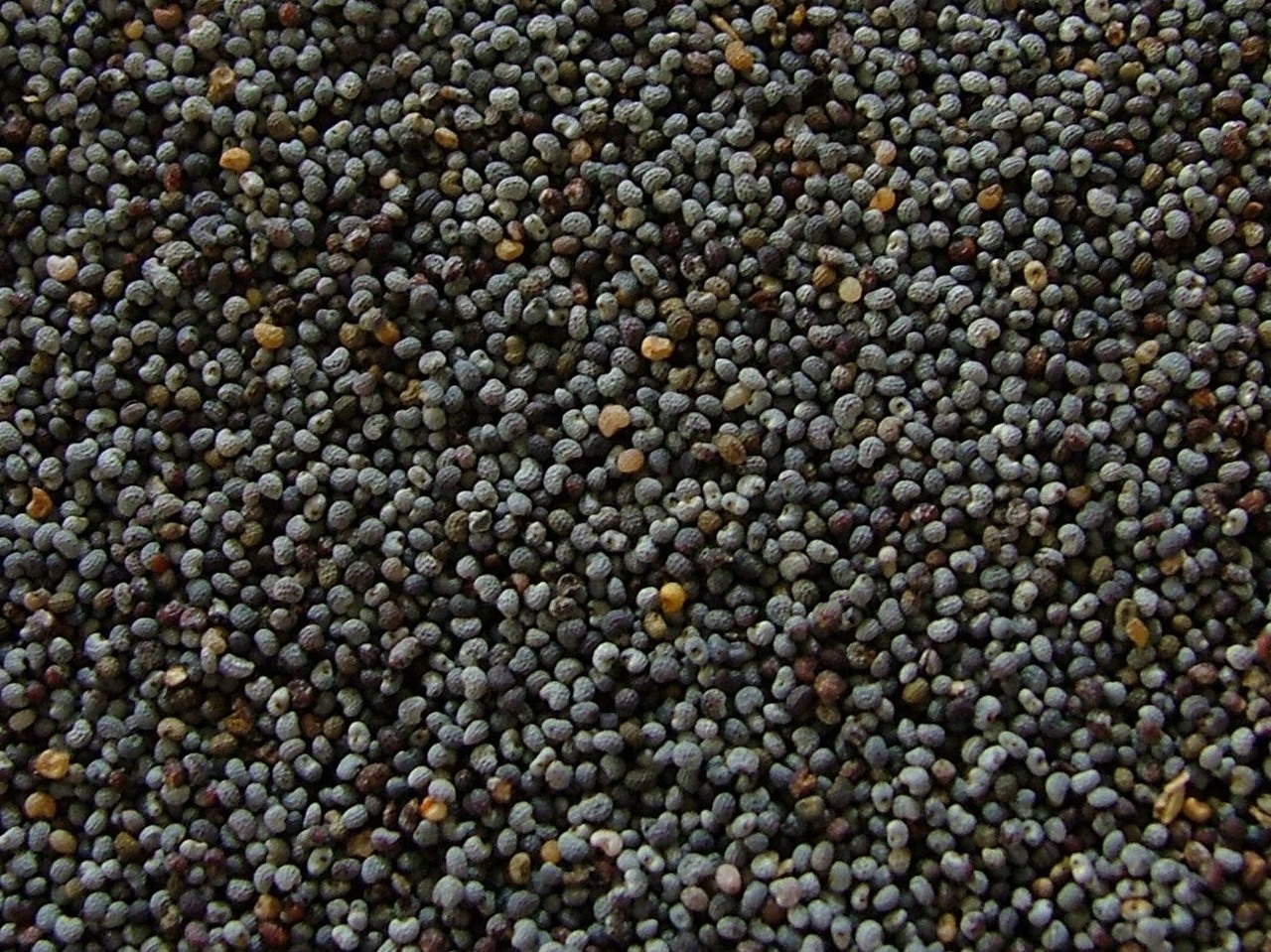 🇹🇷 Turkey and 5 morePoppy seed
The tiny kidney-shaped oilseed of the opium poppy, used in baking and cooking across Europe and South Asia.Seed · Earthy and deep
🇹🇷 Turkey and 5 morePoppy seed
The tiny kidney-shaped oilseed of the opium poppy, used in baking and cooking across Europe and South Asia.Seed · Earthy and deep
 🇫🇷 France and 3 moreHerbes de Provenceèrbas de Provença
A dried herb blend from southwestern France, now a global kitchen staple.Warm and sweet-spiced · Herbal and green
🇫🇷 France and 3 moreHerbes de Provenceèrbas de Provença
A dried herb blend from southwestern France, now a global kitchen staple.Warm and sweet-spiced · Herbal and green
 🇬🇧 United Kingdom and 2 moreMixed spice
A British blend of cinnamon, nutmeg, and allspice for sweet bakingBlend · Warm and sweet-spiced · Sweet and mellow
🇬🇧 United Kingdom and 2 moreMixed spice
A British blend of cinnamon, nutmeg, and allspice for sweet bakingBlend · Warm and sweet-spiced · Sweet and mellow
 🇷🇺 Russia and 5 moreChives
The hollow leaves and purple flowers of a widespread perennial herb in the onion family.Leaf
🇷🇺 Russia and 5 moreChives
The hollow leaves and purple flowers of a widespread perennial herb in the onion family.Leaf
 🇭🇺 Hungary and 5 moreHorseradish
A pungent root vegetable from Southeastern Europe used as a spicy condiment.Root · Hot and fiery · Sharp and pungent
🇭🇺 Hungary and 5 moreHorseradish
A pungent root vegetable from Southeastern Europe used as a spicy condiment.Root · Hot and fiery · Sharp and pungent
Photo credits on this page
The small pictures above come from Wikimedia Commons under free licences. Some are cropped to fit.
- Mixed spice: Unknown author, CC BY-SA 3.0, source
- Horseradish: Pethan, CC BY-SA 3.0, source
- Chives: Jamain, CC BY-SA 3.0, source
- Poppy seed: Odedr, Public domain, source
- Herbes de Provence: Unknown author, CC BY 2.0, source
The weekly digest
Every Monday: seven spices you may not know, what is cooking this week, and one blend explained step by step.