Nandurbar Mirchi
In its own language: नंदुरबार मिर्च
Capsicum annuum
A GI-tagged chilli cultivar from the Nandurbar district of Maharashtra, India.
The Nandurbar Mirchi is a variety of Capsicum annuum cultivated in the Indian state of Maharashtra. It originates from the Nandurbar and Dhule districts, where it is grown as a key agricultural product. The name translates to 'chilli' in Marathi, reflecting its local linguistic roots.
- GI tag awarded on 30 March 2024.
- Grown in Nandurbar and Dhule districts.
- Scientific name is Capsicum annuum.
- Known as Chilli Paradise region.
- Second chilli from Maharashtra to get GI status.
What is Nandurbar Mirchi?
This spice is a specific cultivar of the common chilli plant, scientifically known as Capsicum annuum. It appears as a dried or fresh pod, carrying the heat typical of pepper varieties. The name combines the location with the Marathi word for chilli, identifying it clearly by its regional identity. It is recognized for its distinct cultivation area rather than a unique botanical structure.
Where does Nandurbar Mirchi come from?
The variety comes from the northwest corner of Maharashtra in India. Specifically, it is grown in the Nandurbar and Dhule districts. Nandurbar is often called the Chilli Paradise due to its high production levels. The region has established itself as a premier hub for chilli manufacturing, supporting many small-scale units that produce powder and masalas.
What does Nandurbar Mirchi taste like?
As a chilli, it provides a hot sensation on the palate. The heat comes from capsaicin present in the fruit's placenta. While specific Scoville ratings are not detailed in the records, it serves as a primary source of spice in local cooking. Its flavour profile is defined by this pungency, which enhances dishes without adding sweetness or bitterness.
How Nandurbar Mirchi is grown and processed
Farmers cultivate this variety in the specific microclimates of Nandurbar and Dhule. The area supports numerous micro and small-scale enterprises that process the harvest into powder and blends. The crop is tied to the land, with geographical indication status protecting the name for chilies grown exclusively in this region since March 2024.
Nandurbar Mirchi, drawn
How Nandurbar Mirchi is used
Cooking uses involve whole pods or ground powder to add heat to meals. It is processed locally into masalas and powders by small businesses. These ingredients season everyday dinners and snacks. The chilli acts as a foundational spice in regional recipes, providing warmth and depth to savory dishes prepared in homes and eateries.
Nandurbar Mirchi in the world's kitchens
Maharashtrian cuisine relies on this cultivar for its characteristic heat. The Nandurbar district produces enough for local consumption and wider distribution. Other regions may use similar Capsicum annuum varieties, but the Nandurbar Mirchi holds a protected status, distinguishing it by origin. It complements the bold flavours typical of western Indian cooking.
At a glance: where it turns up
By meal
Cuisines
Spiritual and ceremonial use
It functions purely as a culinary ingredient rather than a sacred object. Unlike some spices used in incense or temple ceremonies, its role remains confined to the kitchen and food preparation.
Nandurbar Mirchi at celebrations
It is treated as a standard agricultural commodity rather than a ceremonial item. Its value lies in its economic importance and culinary utility rather than symbolic participation in holiday traditions.
Traditional and medicinal use
Traditional use focuses on its role as a heat source in home cooking. Small-scale units in the district have long processed the crop into powders and masalas. This practice supports the local economy and preserves the method of preparing the spice for daily consumption. No medicinal claims are recorded.
Buying and storing Nandurbar Mirchi
Information regarding storage methods, shelf life, or purchasing tips is not provided in the available records.
What to use instead of Nandurbar Mirchi
No direct substitutes or confusing look-alikes are mentioned. Cooks seeking similar heat might use other Capsicum annuum varieties, but the Nandurbar Mirchi is distinct due to its geographical indication. The Bhiwapur chilli is another regional variety, but they are separate entities.
The trade in Nandurbar Mirchi
The spice holds a Geographical Indication tag granted in March 2024, valid until October 2031. This protects the name for chilies grown only in the designated districts. The registration was proposed by the Dr. Headgevar Sewa Samiti. It became the second chilli from Maharashtra to receive this status, following the Bhiwapur chilli.
Meal
It features prominently in dinner preparations, seasoning main courses and curries. It also appears in snack items, where its heat adds excitement to lighter bites. The versatility of the powder allows it to be used across various meal types, though it is most associated with substantial daily eating rather than breakfast or dessert.
Questions people ask about Nandurbar Mirchi
Where does Nandurbar Mirchi come from?
It originates from the Nandurbar and Dhule districts in the Indian state of Maharashtra. The region is a major hub for chilli production and processing.
What does Nandurbar Mirchi taste like?
It is a hot chilli variety belonging to the Capsicum annuum species. It provides a pungent heat typical of red peppers, used to spice up savory dishes.
Is Nandurbar Mirchi protected?
Yes, it received a Geographical Indication tag in March 2024. This ensures only chilies grown in the specific Nandurbar region can use this name.
How is it used in cooking?
It is used as a whole pod or ground into powder and masalas. It seasons dinners and snacks, adding heat to local Maharashtrian cuisine.
Good reading and sources
The facts on this page come from the Wikipedia article "Nandurbar Mirchi", written by its contributors and used under the CC BY-SA 4.0 licence, and from its Wikidata record (CC0). EveryMasala rewrote the text in its own words, with AI assistance, and compares every page with the article to make sure no passage is copied. It may be reused under the same CC BY-SA 4.0 licence with a link back.
It may contain mistakes. Names, strengths and customs differ from one grower, kitchen or shop to the next. Traditional and medicinal uses are described as tradition, never as medical advice, and none of this is a substitute for a doctor. If something is wrong, tell us. Last refreshed 2026-10-04.
More from India
All the spices of India 🇳🇵 Nepal and 2 moreDalle Khursaniडल्ले खुर्सानी
A round, fiery chilli from the Himalayas, known for its intense heat and vitamin content.Chilli · Hot and fiery
🇳🇵 Nepal and 2 moreDalle Khursaniडल्ले खुर्सानी
A round, fiery chilli from the Himalayas, known for its intense heat and vitamin content.Chilli · Hot and fiery
 🇮🇳 India and 2 moreGhost pepperbhut jolokia
A superhot chili from Northeast India with over one million Scoville units of heat.Chilli · Hot and fiery
🇮🇳 India and 2 moreGhost pepperbhut jolokia
A superhot chili from Northeast India with over one million Scoville units of heat.Chilli · Hot and fiery
 🇨🇳 China and 2 moreCrushed red pepper
Dried and crushed chilli peppers, often with seeds, used as a spicy condiment.Chilli · Hot and fiery · Earthy and deep
🇮🇳 IndiaRamanathapuram Mundu chilli
A round, mild red chilli from Tamil Nadu with a GI tag.Chilli · Hot and fiery · Earthy and deep
🇨🇳 China and 2 moreCrushed red pepper
Dried and crushed chilli peppers, often with seeds, used as a spicy condiment.Chilli · Hot and fiery · Earthy and deep
🇮🇳 IndiaRamanathapuram Mundu chilli
A round, mild red chilli from Tamil Nadu with a GI tag.Chilli · Hot and fiery · Earthy and deep
Its cousins elsewhere
All chilli 🇵🇪 Peru and 5 moreChili pepperchīlli
The pungent berry of the Capsicum plant, used to add heat to dishes worldwide.Fruit · Hot and fiery · Earthy and deep
🇵🇪 Peru and 5 moreChili pepperchīlli
The pungent berry of the Capsicum plant, used to add heat to dishes worldwide.Fruit · Hot and fiery · Earthy and deep
 🇯🇵 JapanKarashiからし
A potent Japanese mustard made from brown mustard seeds, served as a sharp condiment.Seed · Hot and fiery · Sharp and pungent
🇯🇵 JapanKarashiからし
A potent Japanese mustard made from brown mustard seeds, served as a sharp condiment.Seed · Hot and fiery · Sharp and pungent
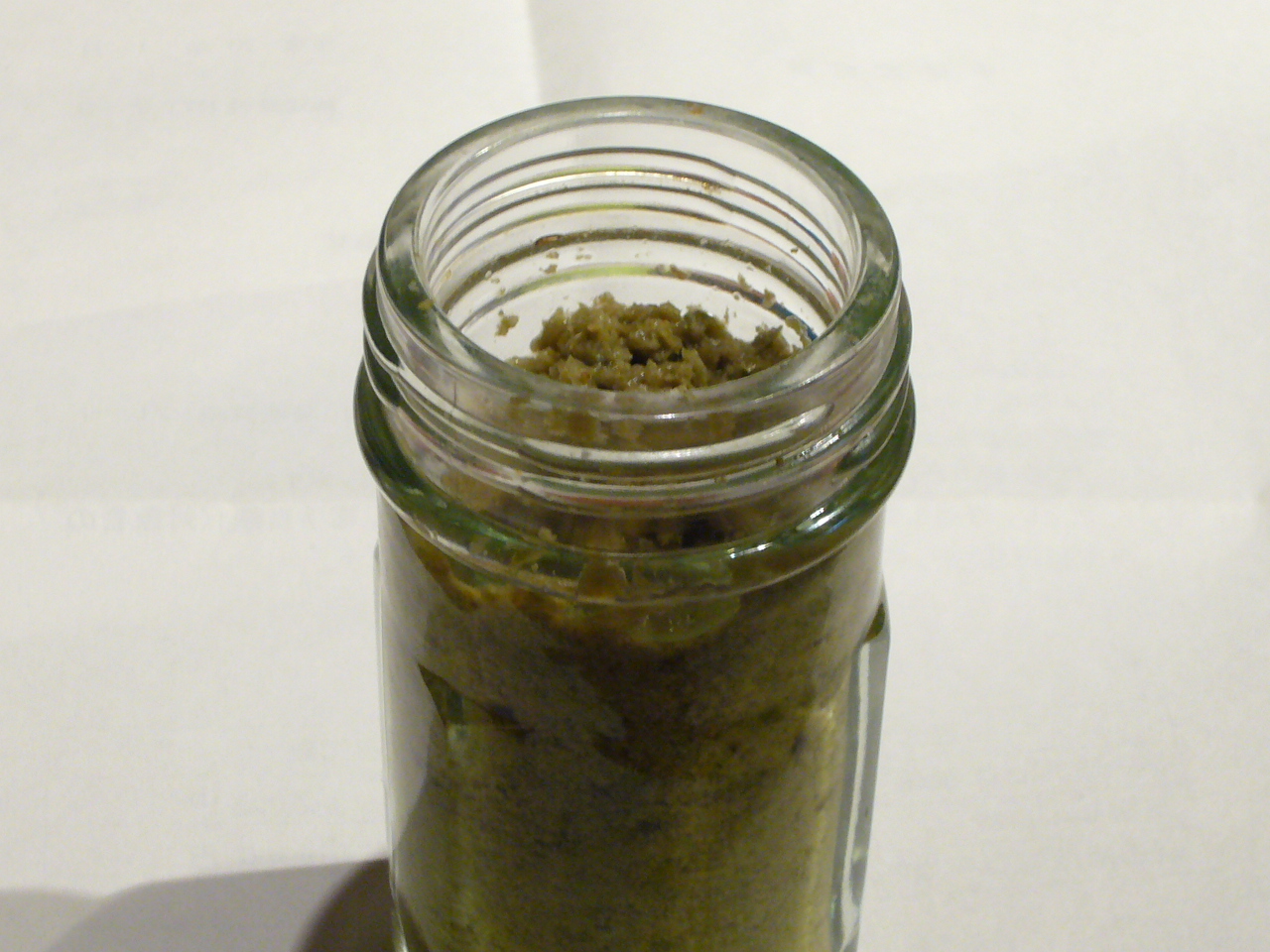 🇯🇵 JapanYuzu koshō柚子胡椒
A fermented Japanese paste of chili peppers and yuzu citrus peel.Paste · Hot and fiery · Citrus and bright
🇯🇵 JapanYuzu koshō柚子胡椒
A fermented Japanese paste of chili peppers and yuzu citrus peel.Paste · Hot and fiery · Citrus and bright
 🇪🇬 EgyptShattaشطة
A fermented Levantine paste of fresh chillies, garlic, and saltHot and fiery · Sharp and pungent
🇪🇬 EgyptShattaشطة
A fermented Levantine paste of fresh chillies, garlic, and saltHot and fiery · Sharp and pungent