
Cubeb
Piper cubeba
The dried fruit of a climbing vine, known for its long tail and sharp taste.
Cubeb is the wrinkled, stalked berry of a Piper vine grown in Indonesia. It tastes pungent and slightly bitter, with notes of allspice and black pepper. Historically traded across Asia and Europe, it is now used sparingly in Indonesian curries and as a flavoring in spirits.
- Dried berries have a distinctive long tail attached.
- Grown mainly in Java and Sumatra, Indonesia.
- Tastes like a mix of allspice and black pepper.
- Used in Indonesian gulés and Moroccan Ras el hanout.
- Essential oil flavors some gins and cigarettes.
What is Cubeb?
Cubeb is the dried fruit of a climbing plant in the genus Piper. The berries are harvested before they ripen and then carefully dried. They look like small black peppercorns but have a distinct long tail, which is the remnant of the flower stalk. The outer skin is wrinkled and ranges from grayish brown to black. Inside, the seed is hard, white, and oily. The aroma is agreeable and aromatic, while the taste is pungent, acrid, and slightly bitter. It is often described as tasting like allspice or a cross between allspice and black pepper.
Where does Cubeb come from?
The spice likely originated in Java and Sumatra, where growers once protected their monopoly by scalding the berries to prevent cultivation elsewhere. Ancient Greek writers mentioned a spice called komakon, which scholars link to cubeb, suggesting early trade. In China, it was brought from Srivijaya during the Tang dynasty. In India, it became known as kabab chini, or Chinese cubeb. The name cubeb comes from the Arabic word kabāba. It reached Europe via Arab traders through India.
What does Cubeb taste like?
The taste is defined by its pungency and a persistent, acrid bite. It carries a warm, woody quality with hints of camphor. The essential oil contains compounds like sabinene, caryophyllene, and cubebene, which create this complex profile. Some describe it as similar to allspice, while others note a resemblance to black pepper with added bitterness. The scent is aromatic and agreeable, making it suitable for both savory dishes and perfumes.
How Cubeb is grown and processed
Cubeb is cultivated primarily on the islands of Java and Sumatra in Indonesia. Farmers gather the fruits while they are still unripe. These green berries are then carefully dried to preserve them. The drying process results in the characteristic wrinkled appearance and dark color. The plant is a vine, and historical accounts suggest that Javanese growers once sterilized the berries to maintain a trade monopoly, ensuring the vines could not be easily grown in other regions.
Cubeb, drawn
How Cubeb is used
In Indonesia, cubeb is frequently used in gulés, which are local curries. It appears occasionally in the Moroccan spice blend Ras el hanout and is used in savory dishes and pastries like makrouts. Historically in Europe, it was ground into sauces or used to season meat. In Poland, it was infused into vinegar for meat marinades. Today, its essential oil is used to flavor certain gins and cigarettes. It can also enhance the flavor of savory soups.
Cubeb in the world's kitchens
Indonesian cuisine uses cubeb regularly in gulés. Moroccan cuisine includes it in savory dishes and specific spice mixes. Historical Polish recipes used cubeb-infused vinegar for marinades. In Europe, it was a valuable medieval seasoning for meat and sauces. In Africa, it arrived via Arab traders and influenced local cooking. Modern usage is limited, mostly found in specialized spirits and traditional Indonesian cooking.
At a glance: where it turns up
By meal
Cuisines
Spiritual and ceremonial use
However, it was used in incense by a 17th-century priest to ward off demons. In ancient times, it may have been part of aromatic confections mentioned by Greek writers. It does not appear to have a central role in modern religious dietary laws or offerings.
Traditional and medicinal use
In folk medicine, cubeb was used to treat various ailments. Islamic physicians distilled turpentine from mixtures including cubeb. In China, Tang dynasty doctors used it to restore appetite and perfume the body. Victorian England used it as an antiseptic and for treating genitourinary issues. It was considered a remedy for infertility in Arabic traditions recorded in The Book of One Thousand and One Nights. These uses are described as historical tradition only.
Buying and storing Cubeb
They mention that the dried berries are commercially available, but give no details on preservation methods for home users.
What to use instead of Cubeb
Cubeb is sometimes confused with or adulterated by Piper baccatum and Piper caninum. It is also used to adulterate patchouli oil. No direct culinary substitutes are listed, though its flavor is compared to allspice and black pepper. Cooks might seek these spices if cubeb is unavailable, but the unique tail and specific taste profile differ.
The trade in Cubeb
Cubeb was a valuable spice in medieval trade routes. It traveled from Java to China, India, and eventually Europe. Arab merchants played a key role in bringing it to Europe via India. In the 14th century, it was imported into Europe by merchants from Rouen and Lippe. A prohibition in Portugal around 1640 aimed to promote black pepper, reducing cubeb's culinary use. Trade diminished significantly after 1940, with annual shipments averaging 135 tons.
Meal
It is used in dinner dishes, particularly in curries and savory meals. In historical European contexts, it appeared in sauces and meat preparations. It was also used in snacks, such as candied confections eaten whole. In Morocco, it flavors pastries served as snacks or desserts. Its use in drinks includes specific gin varieties and horilka infusions.
Questions people ask about Cubeb
What does cubeb look like?
Cubeb looks like a small black peppercorn but has a long, thin tail attached. This tail is the remnant of the flower stalk. The skin is wrinkled and ranges from grayish brown to black.
Where does cubeb come from?
Cubeb is native to Indonesia, specifically the islands of Java and Sumatra. It was historically traded from there to China, India, and Europe via Arab merchants.
How does cubeb taste?
It has a pungent, acrid, and slightly bitter taste. Many describe it as similar to allspice or a combination of allspice and black pepper. It has a warm, woody aroma.
How is cubeb used in cooking?
In Indonesia, it is commonly used in gulés (curries). In Morocco, it appears in savory dishes and pastries. Historically in Europe, it seasoned meat and sauces, and was infused into vinegar.
Is cubeb related to black pepper?
Yes, both belong to the genus Piper. Cubeb is often called tailed pepper because of its shape. While related, it has a distinct bitter and pungent flavor compared to black pepper.
Good reading and sources
- Piper cubeba on WikipediaEncyclopedia
- More photos on Wikimedia CommonsPhotos and video
- Wikidata recordOpen data
The facts on this page come from the Wikipedia article "Piper cubeba", written by its contributors and used under the CC BY-SA 4.0 licence, and from its Wikidata record (CC0). EveryMasala rewrote the text in its own words, with AI assistance, and compares every page with the article to make sure no passage is copied. It may be reused under the same CC BY-SA 4.0 licence with a link back.
It may contain mistakes. Names, strengths and customs differ from one grower, kitchen or shop to the next. Traditional and medicinal uses are described as tradition, never as medical advice, and none of this is a substitute for a doctor. If something is wrong, tell us. Last refreshed 2026-10-04.
More from Indonesia
All the spices of Indonesia 🇮🇩 Indonesia and 2 moreLong pepper
The dried fruit spike of a climbing vine native to Java, once the world's standard heat.Fruit · Hot and fiery · Sharp and pungent
🇮🇩 Indonesia and 2 moreLong pepper
The dried fruit spike of a climbing vine native to Java, once the world's standard heat.Fruit · Hot and fiery · Sharp and pungent
 🇹🇭 Thailand and 5 moreKaffir limeมะกรูด
The bumpy-skinned citrus fruit and double-leafed shrub of Southeast AsiaFruit · Citrus and bright · Sharp and pungent
🇹🇭 Thailand and 5 moreKaffir limeมะกรูด
The bumpy-skinned citrus fruit and double-leafed shrub of Southeast AsiaFruit · Citrus and bright · Sharp and pungent
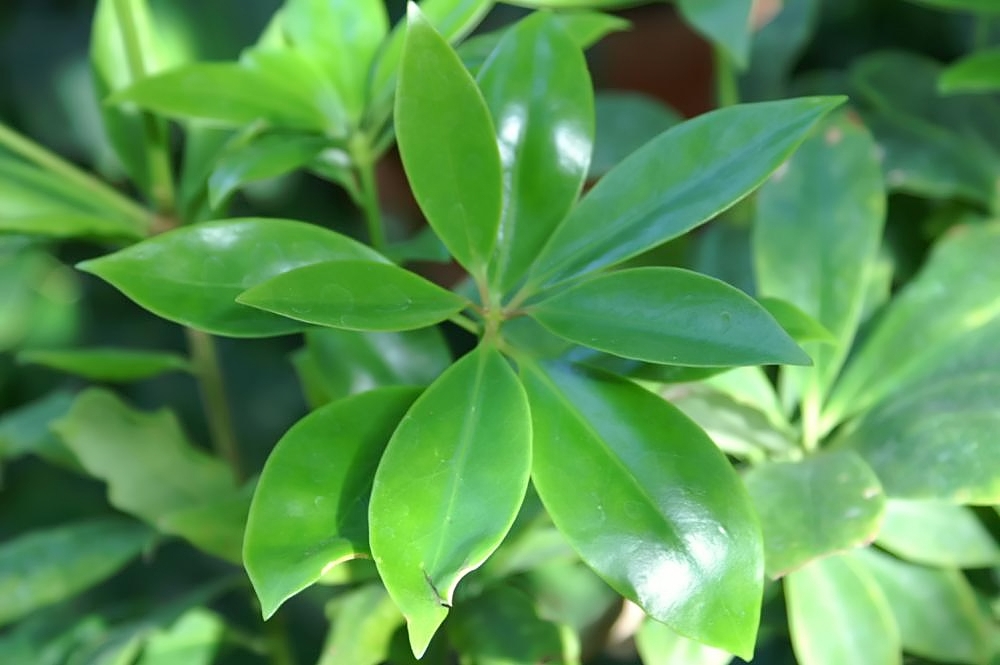 🇨🇳 China and 3 moreStar anise八角 (bājiǎo)
The reddish-brown star-shaped fruit of a Chinese evergreen tree, used for its licorice-like flavor.Fruit · Sweet and mellow · Anise and liquorice
🇨🇳 China and 3 moreStar anise八角 (bājiǎo)
The reddish-brown star-shaped fruit of a Chinese evergreen tree, used for its licorice-like flavor.Fruit · Sweet and mellow · Anise and liquorice
 🇮🇩 Indonesia and 5 moreAndaliman
A citrus-scented, tongue-numbing seed husk related to Sichuan pepperFruit · Numbing and tingling · Citrus and bright
🇮🇩 Indonesia and 5 moreAndaliman
A citrus-scented, tongue-numbing seed husk related to Sichuan pepperFruit · Numbing and tingling · Citrus and bright
Its cousins elsewhere
All fruit 🇧🇩 Bangladesh and 2 morePanch phoronপাঁচ ফোড়ন
A Bengali blend of five whole seeds used to temper dishesBlend · Bitter · Warm and sweet-spiced
🇧🇩 Bangladesh and 2 morePanch phoronপাঁচ ফোড়ন
A Bengali blend of five whole seeds used to temper dishesBlend · Bitter · Warm and sweet-spiced
 🇾🇪 Yemen and 1 moreHawaijحوايج
A ground Yemeni spice blend used for soups, coffee, and everyday cooking.Warm and sweet-spiced · Earthy and deep
🇾🇪 Yemen and 1 moreHawaijحوايج
A ground Yemeni spice blend used for soups, coffee, and everyday cooking.Warm and sweet-spiced · Earthy and deep
 🇮🇳 India and 5 moreTurmericहल्दी
The dried rhizome of a tropical ginger relative, prized for its golden color and earthy bite.Root · Warm and sweet-spiced · Bitter
🇮🇳 India and 5 moreTurmericहल्दी
The dried rhizome of a tropical ginger relative, prized for its golden color and earthy bite.Root · Warm and sweet-spiced · Bitter