
Kaffir lime
In its own language: มะกรูด
Citrus hystrix
The bumpy-skinned citrus fruit and double-leafed shrub of Southeast Asia
Citrus hystrix is a thorny shrub native to tropical Southeast Asia, prized for its intensely fragrant leaves and bumpy green fruit. The leaves provide a sharp, citrusy backbone to curries and soups, while the zest adds aromatic depth to pastes and preserves.
- Leaves have a unique double-hourglass shape.
- Fruit skin is rough and bumpy like a wart.
- Leaf oil is up to 80 percent citronellal.
- Contains furanocoumarins that cause sun sensitivity.
- Used to kill head lice in traditional remedies.
What is Kaffir lime?
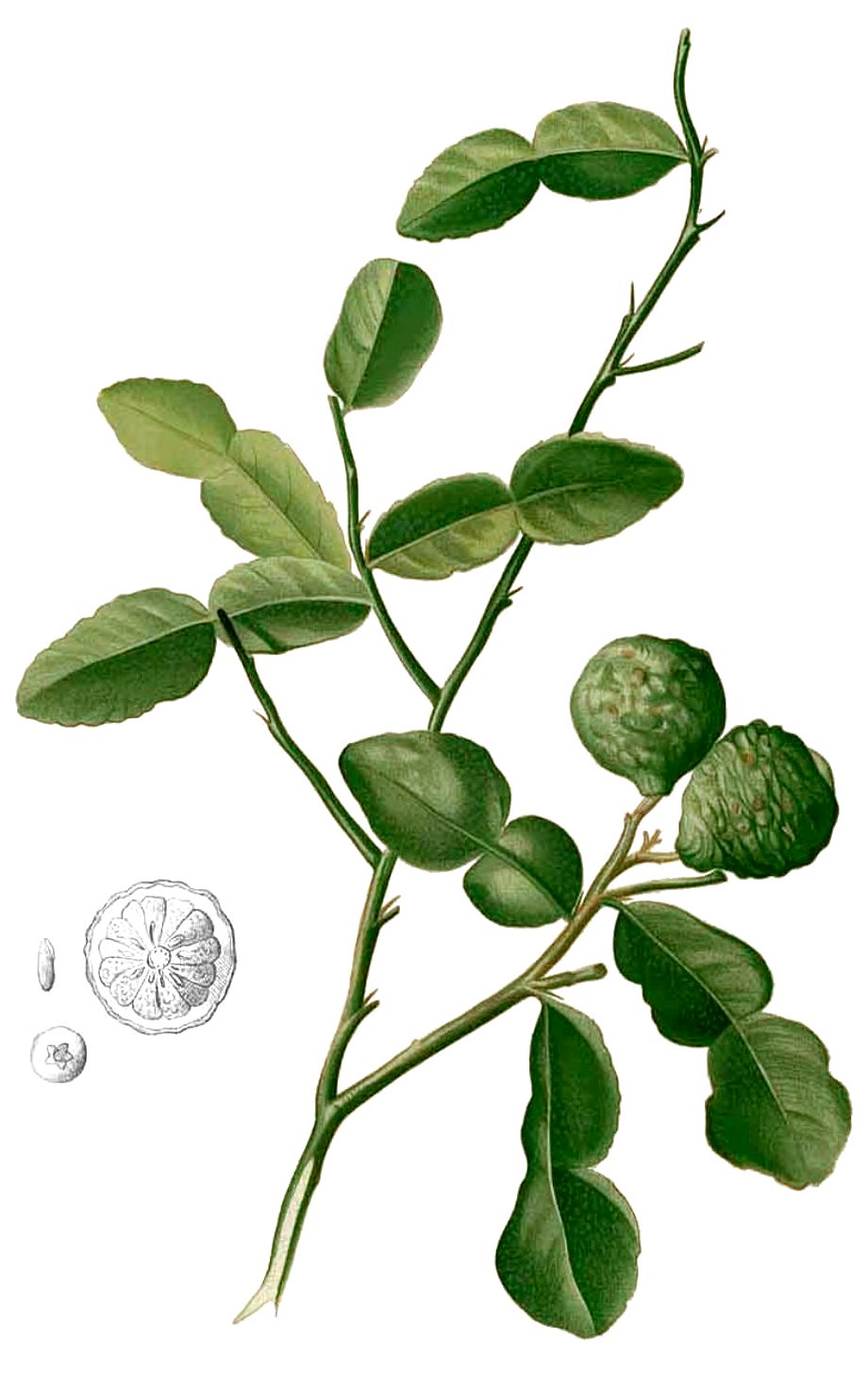
This plant is a small, thorny tree or shrub that grows up to eleven metres tall in tropical climates. Its most distinctive feature is the leaf, which forms an hourglass shape with a flattened stalk connecting two leaf blades. The fruit is small, roughly four centimetres wide, and covered in a thick, bumpy rind that turns from green to yellow as it ripens. The flesh inside is highly acidic and slightly bitter. When crushed, both the leaves and the peel release a powerful, clean citrus scent driven by high concentrations of citronellal.
Where does Kaffir lime come from?
The species originates in the tropical regions of Southeast Asia. It was documented by botanists in the late eighteenth century after specimens were collected during early explorations. While widely cultivated today, its historical spread involved movement through trade routes into South Asia, where it became established in places like Sri Lanka and India. Local names often describe its physical traits, such as 'wart-lime' in Malay, referring to the uneven skin of the fruit.
What does Kaffir lime taste like?
The taste profile is defined by intense citrus notes rather than heat. The leaves offer a sharp, aromatic punch that cuts through rich fats, while the peel contributes astringent and bitter undertones. The primary flavour compound is (S)-citronellal, found in high amounts in the leaf oil. This creates a clean, lemon-like aroma that is distinct from common limes. The fruit pulp itself is too sour and bitter for direct eating, but the zest provides a fragrant complexity essential to many regional dishes.
How Kaffir lime is grown and processed
It thrives in warm, humid environments typical of tropical zones. Gardeners often grow it in containers on patios or in conservatories outside its native range because it adapts well to pots. The plant requires consistent moisture and protection from frost. Harvesting involves picking the young leaves for their peak fragrance or allowing the fruit to mature on the tree until it develops its characteristic bumpy texture and yellow hue.
Kaffir lime, drawn
How Kaffir lime is used
Cooking relies heavily on the leaves, which are torn or crushed to infuse broths, curries, and stir-fries. In Thai cuisine, they are fundamental to tom yum soup, while Indonesian cooks use them in chicken soto. The zest is grated into curry pastes in Laos and Thailand to add depth. In Vietnam, the leaves help mask strong odors when steaming snails. The crystallized fruit is eaten as a sweet preserve in Cambodia, and the zest flavors infused rums in Mauritius and Réunion.
Kaffir lime in the world's kitchens
Thai cuisine uses the leaves as a foundational aromatic in nearly all hot dishes. Indonesian cooking, especially Balinese and Javanese styles, incorporates them into rice dishes and meats. Cambodian cuisine employs the leaves in base pastes and religious offerings. Vietnamese kitchens use them to fragrance poultry and neutralize fishy smells. Malaysian and Laotian cuisines also rely on the leaves and zest for their signature spicy-sour profiles.
At a glance: where it turns up



Spiritual and ceremonial use
In Cambodia, slices of the fruit are mixed with water for lustral ceremonies used in religious rituals. The plant holds significance in local traditions beyond mere cooking, serving as a purifying element in spiritual practices. Its use in these contexts highlights its cultural value as a symbol of cleanliness and sanctity within specific communities.
Kaffir lime at celebrations
There are no specific festivals or holidays explicitly tied to this spice in the provided records. However, its role in daily cooking means it is present at everyday family meals and communal gatherings across Southeast Asia. The crystallized fruit may appear as a treat during general celebrations in Cambodia.
Traditional and medicinal use
Traditional medicine in various Asian countries utilizes the juice and peel. The juice is commonly added to shampoo to combat head lice. In Thailand and Cambodia, the liquid serves as a natural cleanser for hair and clothing. Users should be aware that the plant contains furanocoumarins, which can cause severe skin inflammation upon exposure to sunlight, a condition known as phytophotodermatitis.
Buying and storing Kaffir lime
Fresh leaves retain their potency best when frozen or dried. The fruit can be stored briefly in cool conditions, though the thick rind helps preserve it longer than softer citrus. Ground zest loses its volatile oils quickly, so it is best used fresh. Whole fruits keep their aroma for several weeks if kept dry and away from direct heat.
What to use instead of Kaffir lime
No single ingredient perfectly replicates the complex, floral-citrus note of the kaffir lime leaf. Lemongrass and lime zest are sometimes combined to approximate the flavor profile, though the result lacks the unique depth of the original. The leaves cannot be substituted with standard lime leaves without altering the dish's character significantly.
The trade in Kaffir lime
The essential oil extracted from the leaves and peel is traded globally for use in perfumery, cosmetics, and aromatherapy. Major production occurs in Southeast Asia, with significant exports from Thailand and Indonesia. The oil is valued for its high citronellal content. Adulteration is a concern in the commercial market, so pure extracts are carefully sourced for pharmaceutical and cosmetic applications.
Meal
The spice features prominently in dinner preparations, particularly in savory main courses like curries and soups. It appears in snack contexts, such as stir-fried silkworm pupae in Vietnam. Preserves are made by candying the whole fruit in Cambodia. It is less common in breakfast settings but may appear in herbal drinks or teas prepared for medicinal purposes.
Blends with Kaffir lime
Questions people ask about Kaffir lime
What does kaffir lime taste like?
The leaves provide a sharp, intense citrus aroma with floral notes. The fruit is very acidic and bitter, but the zest adds a fragrant, astringent layer to dishes. It does not have capsaicin heat.
Where does kaffir lime come from?
It is native to tropical Southeast Asia, including Thailand, Indonesia, Malaysia, and Vietnam. It has since spread to other warm regions like South Africa and the Caribbean.
How is it used in cooking?
The leaves are torn and added to soups, curries, and stir-fries for fragrance. The zest is grated into pastes. The whole fruit is sometimes candied for sweets.
Is it safe to handle?
Yes, but the plant contains furanocoumarins. Contact with the sap followed by sun exposure can cause severe skin inflammation called phytophotodermatitis.
Good reading and sources
- Kaffir lime on WikipediaEncyclopedia
- More photos on Wikimedia CommonsPhotos and video
- Wikidata recordOpen data
The facts on this page come from the Wikipedia article "Kaffir lime", written by its contributors and used under the CC BY-SA 4.0 licence, and from its Wikidata record (CC0). EveryMasala rewrote the text in its own words, with AI assistance, and compares every page with the article to make sure no passage is copied. It may be reused under the same CC BY-SA 4.0 licence with a link back.
It may contain mistakes. Names, strengths and customs differ from one grower, kitchen or shop to the next. Traditional and medicinal uses are described as tradition, never as medical advice, and none of this is a substitute for a doctor. If something is wrong, tell us. Last refreshed 2026-10-04.
More from Thailand
All the spices of Thailand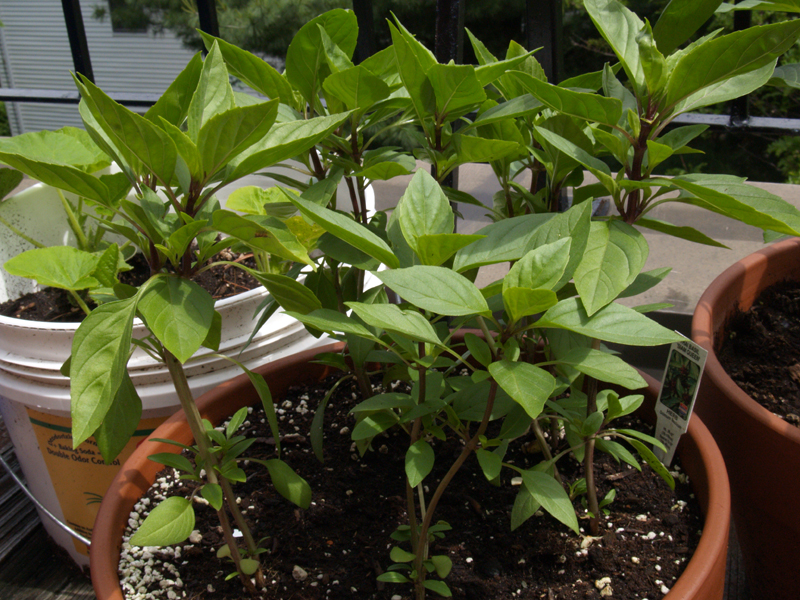 🇹🇭 Thailand and 3 moreThai basilโหระพา
A Southeast Asian herb with purple stems and anise notes, used in curries and soups.Leaf · Anise and liquorice · Hot and fiery
🇹🇭 Thailand and 3 moreThai basilโหระพา
A Southeast Asian herb with purple stems and anise notes, used in curries and soups.Leaf · Anise and liquorice · Hot and fiery
 🇮🇩 Indonesia and 2 moreLong pepper
The dried fruit spike of a climbing vine native to Java, once the world's standard heat.Fruit · Hot and fiery · Sharp and pungent
🇮🇩 Indonesia and 2 moreLong pepper
The dried fruit spike of a climbing vine native to Java, once the world's standard heat.Fruit · Hot and fiery · Sharp and pungent
 🇰🇭 Cambodia and 5 moreVietnamese corianderrau răm
The fresh leaves of a tropical herb used in Southeast Asian soups and saladsLeaf · Citrus and bright · Sharp and pungent
🇰🇭 Cambodia and 5 moreVietnamese corianderrau răm
The fresh leaves of a tropical herb used in Southeast Asian soups and saladsLeaf · Citrus and bright · Sharp and pungent
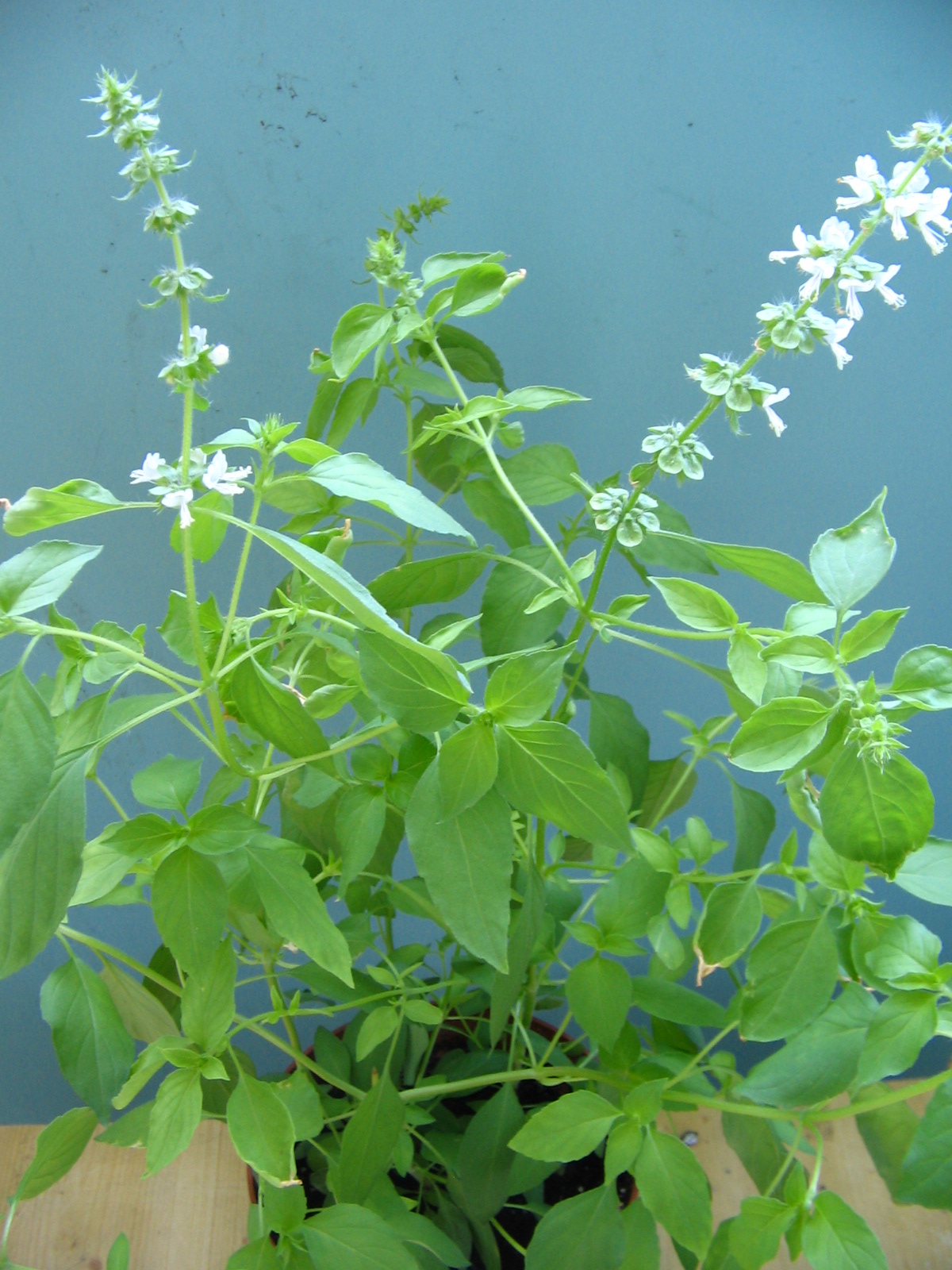 🇱🇦 Laos and 5 moreLemon basil
A hybrid herb with a bright citrus scent, used across Southeast Asia and Africa.Leaf · Citrus and bright · Herbal and green
🇱🇦 Laos and 5 moreLemon basil
A hybrid herb with a bright citrus scent, used across Southeast Asia and Africa.Leaf · Citrus and bright · Herbal and green
Its cousins elsewhere
All fruit 🇲🇽 Mexico and 2 moreEpazoteepazōtl
A pungent leafy herb from the Americas, traditionally used to flavor beans and stews.Sharp and pungent · Citrus and bright
🇲🇽 Mexico and 2 moreEpazoteepazōtl
A pungent leafy herb from the Americas, traditionally used to flavor beans and stews.Sharp and pungent · Citrus and bright
 🇮🇷 Iran and 1 moreGalbanum
A bitter Persian gum resin used in ancient incense and modern green perfumesResin · Bitter · Sharp and pungent
🇮🇳 India and 3 moreZedoarytemu putih
A bitter rhizome from the ginger family, once common in Austronesian kitchens.Root · Bitter · Sharp and pungent
🇮🇷 Iran and 1 moreGalbanum
A bitter Persian gum resin used in ancient incense and modern green perfumesResin · Bitter · Sharp and pungent
🇮🇳 India and 3 moreZedoarytemu putih
A bitter rhizome from the ginger family, once common in Austronesian kitchens.Root · Bitter · Sharp and pungent
 🇩🇪 Germany and 4 moreHops
The green female flower cones of a climbing vine, used to bitter and flavour beer.Flower · Bitter · Sharp and pungent
🇩🇪 Germany and 4 moreHops
The green female flower cones of a climbing vine, used to bitter and flavour beer.Flower · Bitter · Sharp and pungent