
Sansho
In its own language: 山椒
Zanthoxylum piperitum
The dried berries and young leaves of a spiny Japanese shrub, prized for their numbing citrus heat.
Sansho is a spice from Japan and Korea made from the berries or leaves of the Zanthoxylum piperitum shrub. It delivers a sharp, lemony aroma followed by a distinct tingling numbness on the tongue. Cooks use it to season grilled eel, fish stews, and spring vegetables.
- Produces a numbing tingle via sanshoole, not capsaicin heat.
- Essential ingredient in Japanese shichimi seven-spice blends.
- Standard seasoning for broiled eel (kabayaki-unagi).
- Young spring leaves are clapped to release aroma before eating.
- Wakayama Prefecture produces most of Japan's supply.
What is Sansho?
Sansho comes from a deciduous shrub native to East Asia. The plant features odd-epinnately compound leaves and sharp thorns along its branches. In autumn, female plants produce small berries that turn bright scarlet before bursting open to reveal black seeds inside. Male plants produce yellow-green flowers known as hana-sansho. The spice uses two main parts: the dried mature berries, called kona-zansho when ground, and the fresh young leaf shoots harvested in spring. The berries provide a sharp, citrus-like punch with a lingering tingle, while the leaves offer a lighter, herbal brightness.
Where does Sansho come from?
The species originates in Japan and Korea, growing naturally from Hokkaido down to Kyushu. It was first described by Carl Linnaeus in 1759 as Fagara piperita before being reclassified into the Zanthoxylum genus. While closely related to the Chinese Sichuan pepper, sansho remains distinct within Japanese and Korean culinary traditions. A specific variety called budō sansho, meaning grape sansho, is grown in Wakayama Prefecture, which accounts for most domestic production.
What does Sansho taste like?
The taste profile relies heavily on sanshoole and sanshoamide, compounds that create a unique numbing sensation rather than capsaicin heat. This tingling effect sits alongside bright citrus notes derived from aromatic oils like geraniol and citral. The green berries offer a milder, fresher version of this flavor, while the dried black seeds deliver a more intense, pungent bite. The young leaves contribute a subtle, resinous herbal quality that complements the sharper berry notes.
How Sansho is grown and processed
Cultivation focuses on specific regions in Japan, particularly Wakayama Prefecture, which dominates national output. Farmers harvest the scarlet berries in autumn after they ripen and burst. The young leaf shoots are gathered in spring when they emerge. Processing involves drying the berries and grinding them into powder, or salting and simmering the immature green berries to create preserved condiments. The wood is also utilized for crafting rough-hewn pestles used in traditional mortar bowls.
Sansho, drawn
How Sansho is used
In Japan, ground sansho is the standard topping for kabayaki-unagi, or broiled eel. It serves as a key component in shichimi, a seven-spice blend that includes red chili peppers. Cooks sprinkle the powder over grilled fish, soups, and rice crackers. The young leaves are often clapped between hands to release their aroma before garnishing dishes. They can be crushed into miso paste for tossing with bamboo shoots or sashimi. Immature berries are pickled in soy sauce or simmered into dark tsukudani condiments.
Sansho in the world's kitchens
Japanese cuisine relies heavily on sansho for seasoning freshwater fish and eel dishes. The spice defines the character of shichimi blends and many regional pickles. Korean cuisine utilizes the same plant under the name chopi, applying the dried fruit to spicy fish stews and raw fish preparations. Young leaves function as a namul vegetable or pancake ingredient in southern Korea. Both cultures value the numbing quality to cut through rich or fatty foods.
At a glance: where it turns up
Cuisines
Celebrations


Spiritual and ceremonial use
The plant holds no major religious ritual significance in modern practice. However, bitter tinctures containing sansho husks are sometimes served ceremonially. The preparation of kinome-ae involves a customary ritual where cooks clap the young leaves between cupped hands to awaken the scent before mixing them with other ingredients.
Sansho at celebrations
Harvesting the young leaves marks the arrival of spring in Japan. This event heralds the new season and is celebrated through seasonal menus featuring grilled fish and fresh vegetable dishes. The consumption of kinome-ae during this time connects diners to the changing agricultural calendar.
Traditional and medicinal use
Traditional medicine systems utilize the mature husks of the berry as a crude medicinal form. These are included in bitter tinctures and ceremonial wines. The numbing properties were historically valued for their sensory impact. Safety notes indicate that the plant contains bufotenin derivatives, though culinary amounts remain generally safe for consumption.
Buying and storing Sansho
Ground sansho loses its volatile citrus oils quickly if exposed to air. It should be kept in sealed packets to maintain potency. Whole dried berries retain their flavor longer but still require protection from moisture and light to prevent spoilage.
What to use instead of Sansho
Sichuan pepper offers a similar numbing sensation but lacks the distinct citrus top notes of sansho. Green peppercorns provide a mild heat but do not replicate the specific tingling texture. For the leaf component, no direct substitute exists, though other fresh herbs may mimic the visual garnish without the flavor.
The trade in Sansho
Wakayama Prefecture controls the majority of the domestic market for dried sansho in Japan. The spice is widely available in sealed packets, often included with packaged broiled eel products. International trade remains limited compared to global spices, with most consumption occurring locally in Japan and Korea.
Meal
Sansho appears across various dining occasions. It seasons lunch and dinner staples like grilled fish and noodle soups. Street food vendors use it to enhance broiled eel skewers. The young leaves accompany spring vegetable salads and tossed sashimi plates. Preserved berries serve as side condiments with rice meals. Sweet rice cakes flavored with the spice appear as snacks or dessert items, particularly in northern regions.
Blends with Sansho
Questions people ask about Sansho
What does sansho taste like?
It tastes sharply citrusy with a distinctive tingling numbness on the tongue caused by sanshoole. Unlike chili peppers, it does not burn but creates a vibrating sensation that cleanses the palate.
Where does sansho come from?
It comes from the Zanthoxylum piperitum shrub, native to Japan and Korea. The berries are harvested in autumn, while the young leaves are picked in spring.
How is sansho used in cooking?
Ground berries season grilled eel and fish stews. Leaves garnish spring dishes and mix into miso pastes. It is also found in sweet rice cakes and savory rice crackers.
Can I substitute sansho with Sichuan pepper?
Sichuan pepper provides a similar numbing effect but lacks the bright citrus aroma. Use it only if you need the tingling texture, but expect a different flavor profile.
What is the difference between sansho and chopi?
They are the same plant. Sansho is the Japanese name, while chopi is the Korean name. Both cultures use the berries and leaves similarly in their respective cuisines.
Good reading and sources
- Zanthoxylum piperitum on WikipediaEncyclopedia
- More photos on Wikimedia CommonsPhotos and video
- Wikidata recordOpen data
The facts on this page come from the Wikipedia article "Zanthoxylum piperitum", written by its contributors and used under the CC BY-SA 4.0 licence, and from its Wikidata record (CC0). EveryMasala rewrote the text in its own words, with AI assistance, and compares every page with the article to make sure no passage is copied. It may be reused under the same CC BY-SA 4.0 licence with a link back.
It may contain mistakes. Names, strengths and customs differ from one grower, kitchen or shop to the next. Traditional and medicinal uses are described as tradition, never as medical advice, and none of this is a substitute for a doctor. If something is wrong, tell us. Last refreshed 2026-10-04.
More from Japan
All the spices of Japan 🇯🇵 JapanKarashiからし
A potent Japanese mustard made from brown mustard seeds, served as a sharp condiment.Seed · Hot and fiery · Sharp and pungent
🇯🇵 Japan and 4 moreMugwort艾草 (ài cǎo)
Aromatic leaves from the Artemisia genus used in Asian cuisine and traditional medicine.Leaf · Bitter · Herbal and green
🇯🇵 JapanKarashiからし
A potent Japanese mustard made from brown mustard seeds, served as a sharp condiment.Seed · Hot and fiery · Sharp and pungent
🇯🇵 Japan and 4 moreMugwort艾草 (ài cǎo)
Aromatic leaves from the Artemisia genus used in Asian cuisine and traditional medicine.Leaf · Bitter · Herbal and green
 🇨🇳 China and 5 moreGarlic chives韭菜
A flat-leaved Allium with a garlic scent, used across Asia as a herb and vegetable.Leaf · Sweet and mellow
🇨🇳 China and 5 moreGarlic chives韭菜
A flat-leaved Allium with a garlic scent, used across Asia as a herb and vegetable.Leaf · Sweet and mellow
 🇨🇳 China and 5 moreShiso紫蘇
A mint-family herb with serrated leaves, used fresh or pickled across East Asia.Leaf · Herbal and green · Sharp and pungent
🇨🇳 China and 5 moreShiso紫蘇
A mint-family herb with serrated leaves, used fresh or pickled across East Asia.Leaf · Herbal and green · Sharp and pungent
Its cousins elsewhere
All seed 🇮🇳 India and 2 moreCardamom
Aromatic seeds from spindle-shaped pods used in sweet and savory dishes across Asia and the Middle East.Seed · Sharp and pungent · Warm and sweet-spiced
🇮🇳 India and 2 moreCardamom
Aromatic seeds from spindle-shaped pods used in sweet and savory dishes across Asia and the Middle East.Seed · Sharp and pungent · Warm and sweet-spiced
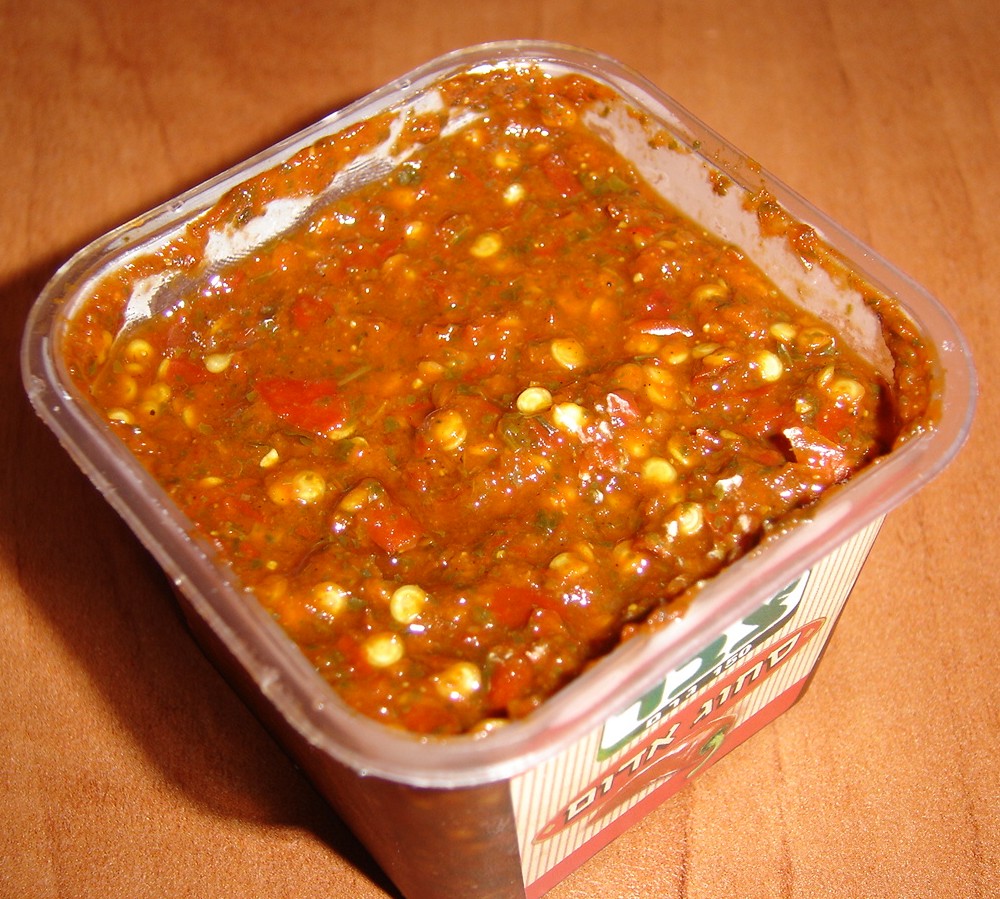 🇾🇪 Yemen and 1 moreZhugسحوق
A Yemeni hot sauce of crushed chilies, garlic, and corianderHot and fiery · Sharp and pungent
🇾🇪 Yemen and 1 moreZhugسحوق
A Yemeni hot sauce of crushed chilies, garlic, and corianderHot and fiery · Sharp and pungent
 🇮🇳 India and 3 moreIndian prickly ash
A pungent fruit from a thorny shrub, used for its tingling spice in coastal India and Vietnam.Fruit · Sharp and pungent · Numbing and tingling
🇮🇳 India and 3 moreIndian prickly ash
A pungent fruit from a thorny shrub, used for its tingling spice in coastal India and Vietnam.Fruit · Sharp and pungent · Numbing and tingling
 🇮🇳 India and 4 moreCurry paste
A blended mixture of spices and aromatics used as the base for curries in Asia.Warm and sweet-spiced · Earthy and deep
🇮🇳 India and 4 moreCurry paste
A blended mixture of spices and aromatics used as the base for curries in Asia.Warm and sweet-spiced · Earthy and deep