
Spicebush
Lindera benzoin
The dried fruit of a North American shrub, used as an allspice substitute.
A native shrub of eastern North America, its ripe red berries are dried and ground to replace allspice in cooking. The leaves and stems offer a spicy, citrusy aroma when crushed, while the fruit tastes somewhat like turpentine.
- Ripe red berries are dried and ground to replace allspice.
- Crushed leaves and stems smell spicy and citrusy.
- Native to eastern North America moist woods.
- Used by Cherokee, Creek, and Iroquois peoples.
- Fresh fruit has a turpentine-like taste.
What is Spicebush?
Spicebush is a deciduous shrub found in the moist, rich woods of eastern North America. It grows in clumps up to twelve feet tall with oval, dark green leaves that turn bright yellow in autumn. When you crush the leaves or stems, they release a spicy, citrusy scent. In early spring, it produces clusters of sweet-smelling yellow flowers before the leaves appear. The plant bears small, red, berrylike drupes about half an inch long. These fruits contain a large seed and have a distinct aromatic scent with a taste often described as similar to turpentine.
Where does Spicebush come from?
This plant is native to eastern North America. It thrives in the understory of forests, particularly those with exposed limestone soil. Early land surveyors noted its presence as an indicator of good agricultural land due to its preference for rich woods. While primarily wild, it has been cultivated in gardens for its ornamental value, including specific varieties with brick-red flowers or yellow-orange fruits developed in the mid-twentieth century.
What does Spicebush taste like?
The spice offers a complex profile driven by its aromatic oils. Crushed foliage provides a sharp, citrusy punch that defines its common names. The dried fruit, used as a seasoning, carries a pungent heat and a woody depth reminiscent of allspice. However, the fresh fruit has a unique, resinous quality with notes likened to turpentine. This distinct flavor comes from the lipids and essential oils concentrated in the berry's flesh and seeds.
How Spicebush is grown and processed
Spicebush prefers moist, shaded woodland environments but can tolerate full sun, which encourages denser growth and more berries. It is hardy in USDA zones 4 through 9. Gardeners usually grow it from seed because its extensive root system does not transplant well. The plant is dioecious, meaning individual plants are either male or female; both are needed to produce viable seeds. Female plants bear the red drupes that are harvested for culinary use.
Spicebush, drawn
How Spicebush is used
The primary culinary use involves drying the ripe red fruits and grinding them into a powder. This powder serves as a direct substitute for allspice in various dishes. Native American groups, including the Cherokee, Creek, and Iroquois, traditionally utilized the plant for medicinal treatments. Additionally, the leaves, buds, and new twigs can be steeped to make a tea. The aromatic nature of the plant also makes it valuable for attracting butterflies and moths in garden settings.
Spicebush in the world's kitchens
In North American contexts, spicebush is linked to Indigenous cuisines and traditional foraging practices. Native American communities historically used the plant for both food and medicine. Today, it remains a niche ingredient in regional cooking, valued for its local origin and ability to mimic allspice. Its use is largely confined to areas where the plant is native or cultivated, rather than global commercial cuisine.
At a glance: where it turns up
By meal
Cuisines


Traditional and medicinal use
Native American tribes such as the Cherokee, Creek, and Iroquois used spicebush for treating multiple ailments. The leaves, buds, and twigs were prepared as teas for these purposes. These uses are described as traditional folk medicine practices. No modern medical advice or dosage recommendations are associated with these historical applications.
What to use instead of Spicebush
The dried and ground fruit of the spicebush is explicitly used as a substitute for allspice. Cooks seeking an alternative to allspice may turn to this native North American berry. Conversely, other species in the genus Lindera, such as L. melissifolia, may be confused with it but are differentiated by hairy stems and swamp habitats.
Meal
As a substitute for allspice, spicebush is typically incorporated into savory dinner dishes. It adds warmth and complexity to stews, roasts, and other cooked meals where allspice would normally be featured. The dried fruit powder blends well with other spices in hearty preparations. While the leaves can be used for tea, the fruit is the main component for meal seasoning.
Questions people ask about Spicebush
What does spicebush taste like?
The dried fruit tastes similar to allspice, making it a popular substitute. However, the fresh fruit has a distinct, resinous flavor often compared to turpentine. The leaves and stems offer a sharp, citrusy aroma when crushed.
Where is spicebush native to?
It is native to eastern North America. It grows naturally in the understory of moist, rich woods, particularly in areas with exposed limestone soil.
How is spicebush used in cooking?
The ripe red berries are dried and ground into a powder. This powder is used as a direct substitute for allspice in savory dishes. The leaves can also be made into a tea.
Is spicebush safe to eat?
Historically, Native American groups used the plant for medicinal treatments. The fruit is used as a food substitute. Traditional uses are described as folk practices, not modern medical advice.
Good reading and sources
- Lindera benzoin on WikipediaEncyclopedia
- More photos on Wikimedia CommonsPhotos and video
- Wikidata recordOpen data
The facts on this page come from the Wikipedia article "Lindera benzoin", written by its contributors and used under the CC BY-SA 4.0 licence, and from its Wikidata record (CC0). EveryMasala rewrote the text in its own words, with AI assistance, and compares every page with the article to make sure no passage is copied. It may be reused under the same CC BY-SA 4.0 licence with a link back.
It may contain mistakes. Names, strengths and customs differ from one grower, kitchen or shop to the next. Traditional and medicinal uses are described as tradition, never as medical advice, and none of this is a substitute for a doctor. If something is wrong, tell us. Last refreshed 2026-10-04.
More from the United States
All the spices of the United States 🇺🇸 United States and 1 moreCommon prickly ash
An aromatic North American tree whose bark and berries give a sharp, numbing biteBark · Bitter · Numbing and tingling
🇺🇸 United States and 1 moreCommon prickly ash
An aromatic North American tree whose bark and berries give a sharp, numbing biteBark · Bitter · Numbing and tingling
 🇺🇸 United States and 1 moreCalifornian white sage
An aromatic desert shrub whose seeds flavour maize foods and roots make tonic teaSeed · Herbal and green · Sharp and pungent
🇺🇸 United StatesMrs. Burns' Lemon Basil
An heirloom sweet basil cultivar from New Mexico with intense lemon flavor and large leaves.Leaf · Citrus and bright · Floral and perfumed
🇺🇸 United States and 1 moreCalifornian white sage
An aromatic desert shrub whose seeds flavour maize foods and roots make tonic teaSeed · Herbal and green · Sharp and pungent
🇺🇸 United StatesMrs. Burns' Lemon Basil
An heirloom sweet basil cultivar from New Mexico with intense lemon flavor and large leaves.Leaf · Citrus and bright · Floral and perfumed
 🇺🇸 United States and 4 moreSassafras
An aromatic tree of North America and East Asia, famed for filé powder and root teaLeaf · Citrus and bright · Anise and liquorice
🇺🇸 United States and 4 moreSassafras
An aromatic tree of North America and East Asia, famed for filé powder and root teaLeaf · Citrus and bright · Anise and liquorice
Its cousins elsewhere
All fruit 🇮🇳 India and 2 moreCardamom
Aromatic seeds from spindle-shaped pods used in sweet and savory dishes across Asia and the Middle East.Seed · Sharp and pungent · Warm and sweet-spiced
🇮🇳 India and 2 moreCardamom
Aromatic seeds from spindle-shaped pods used in sweet and savory dishes across Asia and the Middle East.Seed · Sharp and pungent · Warm and sweet-spiced
 🇭🇹 HaitiEpis
A blended flavor base of peppers, garlic, and herbs essential to Haitian cookingHot and fiery · Sharp and pungent
🇭🇹 HaitiEpis
A blended flavor base of peppers, garlic, and herbs essential to Haitian cookingHot and fiery · Sharp and pungent
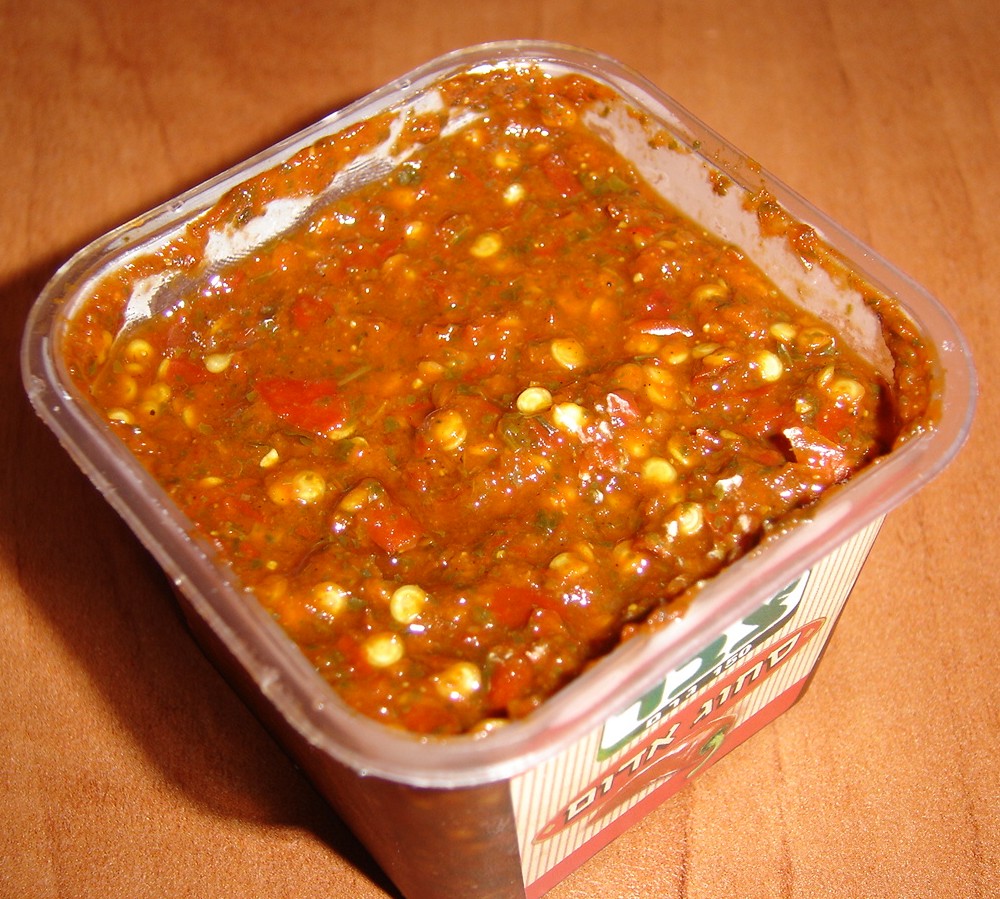 🇾🇪 Yemen and 1 moreZhugسحوق
A Yemeni hot sauce of crushed chilies, garlic, and corianderHot and fiery · Sharp and pungent
🇾🇪 Yemen and 1 moreZhugسحوق
A Yemeni hot sauce of crushed chilies, garlic, and corianderHot and fiery · Sharp and pungent
 🇮🇳 India and 4 moreCurry paste
A blended mixture of spices and aromatics used as the base for curries in Asia.Warm and sweet-spiced · Earthy and deep
🇮🇳 India and 4 moreCurry paste
A blended mixture of spices and aromatics used as the base for curries in Asia.Warm and sweet-spiced · Earthy and deep