
Sichuan pepper
In its own language: 花椒 (huājiāo)
Zanthoxylum bungeanum, Zanthoxylum simulans, Zanthoxylum schinifolium
The dried husk of Zanthoxylum fruit, prized for its citrus scent and electric numbness.
Sichuan pepper is the dried outer shell of berries from Zanthoxylum plants in the rue family. It delivers a sharp citrus aroma and a unique tingling numbness caused by hydroxy-alpha sanshool. This spice is essential to Sichuan cuisine and widely used across the Himalayas.
- Causes numbness via hydroxy-alpha sanshool, not capsaicin.
- Related to citrus and rue, not true black pepper.
- US import banned from 1968 to 2005 over citrus canker fears.
- Essential for Sichuan cuisine's signature málà flavor.
- Known as timur in Nepal and sancho in Korea.
What is Sichuan pepper?
Sichuan pepper consists of the dried husks of small fruits from trees in the Zanthoxylum genus. These plants belong to the Rutaceae family, making them relatives of citrus and rue rather than true peppers. The spice appears as reddish-brown or black dried shells containing shiny black seeds. The seeds are typically discarded, leaving only the aromatic husk. When consumed, it produces a distinct tingling sensation on the tongue and lips. This effect resembles a mild electrical vibration or the fizz of carbonated drinks. The flavor profile combines bright citrus notes with a sharp, nose-tingling pungency that leaves the mouth feeling numb.
Where does Sichuan pepper come from?
The spice originates in East Asia, particularly China, where it has been used for centuries. Various species grow wild across the region, including in Nepal, Bhutan, and parts of India. In the Himalayas, specific strains like Zanthoxylum armatum are known by local names such as timur in Nepal and thingye in Bhutan. The plant's close relation to citrus led to significant trade restrictions in the United States. From 1968 to 2005, imports were banned due to fears of citrus canker bacteria. The ban was lifted in 2007 after safety protocols were established, allowing the spice to reach global markets.
What does Sichuan pepper taste like?
The defining characteristic of Sichuan pepper is its numbing quality, caused by compounds called sanshools, specifically hydroxy-alpha sanshool. These molecules stimulate nerve endings responsible for touch and temperature, creating a buzzing or vibrating sensation. Alongside this physical effect, the spice offers a strong citrus aroma and flavor. Food historians describe the experience as a neurological confusion that heightens sensitivity to cold and touch. Unlike chili heat, which burns, this sensation is a mechanical tingle that lingers on the palate.
How Sichuan pepper is grown and processed
Zanthoxylum trees thrive in temperate and subtropical climates across Asia. Farmers cultivate several species, including Z. bungeanum and Z. simulans, for their fruit. Harvesting involves picking the ripe berries and drying them thoroughly. Once dried, the husks are separated from the inner seeds and stems. The empty husks are then sold whole or ground into powder. Processing varies by region; some cultures use the fresh green husks, while others prefer the dried red or brown versions. The plants are hardy shrubs or small trees found throughout mountainous regions.
Sichuan pepper, drawn
How Sichuan pepper is used
In Chinese cooking, the spice is fundamental to Sichuan dishes like mapo tofu and Kung Pao chicken. It is often paired with chili peppers to create málà, or "numbing-spicy" flavor. A key ingredient in Chongqing hot pot, it is also blended into five-spice powder. Cooks use the oil-infused version for dressings and dipping sauces to avoid texture issues. In the Himalayas, it flavors momos, rice porridges, and blood sausages. Korean cuisine uses sancho with fish soups, while Indonesian Batak cooks mix andaliman into green sambals. The salt-toasted mixture hua jiao yan serves as a condiment for meats.
Sichuan pepper in the world's kitchens
Sichuan cuisine relies heavily on this spice to define its signature málà profile. Across the Himalayas, including Nepal and Bhutan, it is integral to daily cooking, flavoring dumplings, meats, and vegetables. Tibetan cuisine uses it extensively in blood sausages and noodle dishes. Korean culinary traditions incorporate sancho to enhance seafood soups. In Indonesia, the Batak people use andaliman to add depth to fish and beef dishes. Each region adapts the spice differently, from whole husks in broths to ground powders in rubs.
At a glance: where it turns up
By meal
Spiritual use


Spiritual and ceremonial use
The spice holds no major role in organized religious rituals or festivals according to available records. However, it is deeply embedded in traditional healing systems. In Ayurveda and Traditional Chinese Medicine, specific Zanthoxylum varieties are prescribed for various ailments. It is listed in pharmacopoeias for treating abdominal pain, toothaches, and skin conditions like eczema. These uses are based on historical herbal practices rather than modern clinical evidence.
Sichuan pepper at celebrations
Its usage is consistent with everyday cooking and regional culinary identity rather than special holiday events. It appears in feasts and banquets primarily because it is a core component of the local cuisine, not because it marks a specific ritual moment.
Traditional and medicinal use
Traditional medicine systems utilize Zanthoxylum species for their analgesic and anti-inflammatory properties. Historical texts prescribe it for digestive issues, respiratory problems, and cardiovascular disorders. Research in model animals suggests antibacterial and antioxidant effects. However, these applications are folk remedies and lack acceptance in evidence-based medicine. No dosage or medical advice should be inferred from these traditional claims.
Buying and storing Sichuan pepper
Dried husks should be kept in airtight containers away from light and moisture to preserve their volatile oils. Whole peppercorns retain their numbing potency longer than ground powder. Store in a cool, dark pantry. If the spice loses its citrus aroma and tingling sensation, it has likely expired. Ground forms degrade faster and should be replaced frequently.
The trade in Sichuan pepper
Global trade faced significant hurdles due to agricultural regulations. The United States imposed a long-standing import ban to protect citrus crops from canker bacteria carried by the spice. This restriction lasted nearly four decades before being lifted with heating requirements. Today, China remains the primary producer and exporter. Other countries like Nepal and India contribute to regional supply chains. Adulteration is less common than with many spices, but consumers should verify authenticity given the variety of Zanthoxylum species.
Meal
Sichuan pepper features prominently in dinner preparations, especially in savory stews, stir-fries, and hot pots. It is a staple in street food stalls serving spicy snacks and dumplings. The spice also appears in breakfast items like rice porridge in Bhutan. Its numbing properties make it suitable for hearty meals that benefit from complex flavor layers. It is rarely used in desserts but is common in preserved foods and pickles where its citrus notes complement acidity.
Blends with Sichuan pepper
Questions people ask about Sichuan pepper
What does Sichuan pepper taste like?
It has a bright citrus aroma and flavor. Unlike chili peppers, it does not burn. Instead, it creates a tingling, numbing sensation on the tongue and lips caused by chemical compounds that stimulate nerve endings.
Where does Sichuan pepper come from?
It originates in East Asia, primarily China. Various species grow wild across the Himalayas, including in Nepal, Bhutan, and India. It is now cultivated and traded globally, though China remains the main source.
Is Sichuan pepper the same as black pepper?
No. They are unrelated plants. Sichuan pepper comes from the Zanthoxylum tree in the rue family. Black pepper comes from the Piper vine. Sichuan pepper is closer to citrus trees than to black pepper.
How is Sichuan pepper used in cooking?
It is used whole or ground in stews, stir-fries, and hot pots. It is often combined with chilies for a numbing-spicy effect. It also flavors oils, salts, and five-spice powder. In the Himalayas, it seasons dumplings and meats.
Why was Sichuan pepper banned in the US?
The US banned imports from 1968 to 2005 because the plant can carry citrus canker bacteria. This disease threatens citrus crops. The ban ended when heating protocols were established to kill any potential bacteria during processing.
Good reading and sources
- Sichuan pepper on WikipediaEncyclopedia
- More photos on Wikimedia CommonsPhotos and video
- Wikidata recordOpen data
The facts on this page come from the Wikipedia article "Sichuan pepper", written by its contributors and used under the CC BY-SA 4.0 licence, and from its Wikidata record (CC0). EveryMasala rewrote the text in its own words, with AI assistance, and compares every page with the article to make sure no passage is copied. It may be reused under the same CC BY-SA 4.0 licence with a link back.
It may contain mistakes. Names, strengths and customs differ from one grower, kitchen or shop to the next. Traditional and medicinal uses are described as tradition, never as medical advice, and none of this is a substitute for a doctor. If something is wrong, tell us. Last refreshed 2026-10-04.
More from China
All the spices of China 🇨🇳 China and 2 moreChinese prickly-ash
A thorny East Asian shrub whose reddish berries yield Sichuan pepperFruit
🇨🇳 China and 2 moreChinese prickly-ash
A thorny East Asian shrub whose reddish berries yield Sichuan pepperFruit
 🇨🇳 China and 2 moreAilanthus-like prickly ash椿叶花椒
A wild Asian prickly ash with piquant berries and edible young leavesFruit · Sharp and pungent
🇨🇳 China and 2 moreAilanthus-like prickly ash椿叶花椒
A wild Asian prickly ash with piquant berries and edible young leavesFruit · Sharp and pungent
 🇹🇼 Taiwan and 5 moreMountain pepper山胡椒
A citrusy tree fruit prized as a seasoning across Taiwan's indigenous cookingFruit · Citrus and bright
🇹🇼 Taiwan and 5 moreMountain pepper山胡椒
A citrusy tree fruit prized as a seasoning across Taiwan's indigenous cookingFruit · Citrus and bright
 🇨🇳 China and 1 moreChenpi陳皮
Sun-dried mandarin orange peel aged for use in Chinese cooking and medicineFruit · Sweet and mellow · Sharp and pungent
🇨🇳 China and 1 moreChenpi陳皮
Sun-dried mandarin orange peel aged for use in Chinese cooking and medicineFruit · Sweet and mellow · Sharp and pungent
Its cousins elsewhere
All fruit 🇮🇳 India and 2 moreCardamom
Aromatic seeds from spindle-shaped pods used in sweet and savory dishes across Asia and the Middle East.Seed · Sharp and pungent · Warm and sweet-spiced
🇮🇳 India and 2 moreCardamom
Aromatic seeds from spindle-shaped pods used in sweet and savory dishes across Asia and the Middle East.Seed · Sharp and pungent · Warm and sweet-spiced
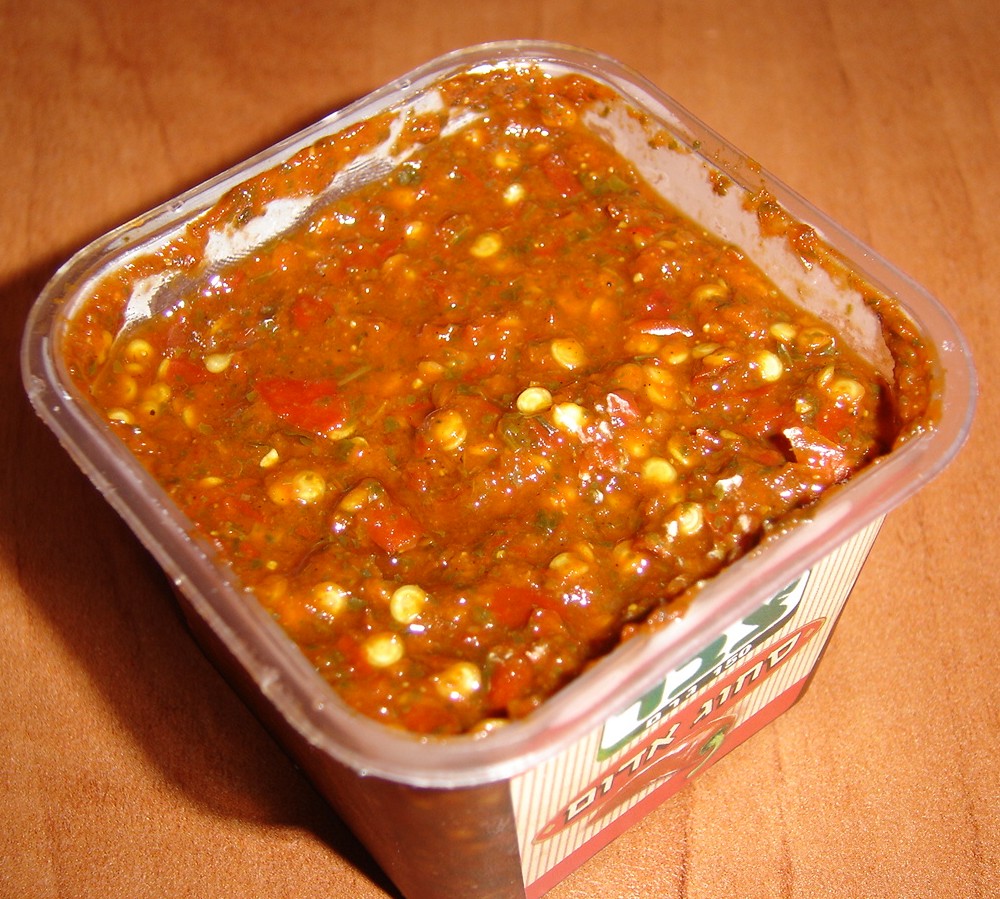 🇾🇪 Yemen and 1 moreZhugسحوق
A Yemeni hot sauce of crushed chilies, garlic, and corianderHot and fiery · Sharp and pungent
🇾🇪 Yemen and 1 moreZhugسحوق
A Yemeni hot sauce of crushed chilies, garlic, and corianderHot and fiery · Sharp and pungent
 🇮🇳 India and 3 moreIndian prickly ash
A pungent fruit from a thorny shrub, used for its tingling spice in coastal India and Vietnam.Fruit · Sharp and pungent · Numbing and tingling
🇮🇳 India and 3 moreIndian prickly ash
A pungent fruit from a thorny shrub, used for its tingling spice in coastal India and Vietnam.Fruit · Sharp and pungent · Numbing and tingling
 🇮🇳 India and 4 moreCurry paste
A blended mixture of spices and aromatics used as the base for curries in Asia.Warm and sweet-spiced · Earthy and deep
🇮🇳 India and 4 moreCurry paste
A blended mixture of spices and aromatics used as the base for curries in Asia.Warm and sweet-spiced · Earthy and deep