🇧🇹 The spices of Bhutan
6 spices from Bhutan, best known first.
High mountain valleys shape this kitchen, where red rice, buckwheat, and maize form the daily base. Heat comes primarily from fresh chilies paired with yak and cow dairy. Spices like Sichuan pepper, ginger, and cardamom add depth to stews, soups, and salted teas that sustain life in the cold climate.
- Ema datshi combines hot chilies and cheese as the national dish.
- Thingay refers to Sichuan pepper used for its numbing citrus flavor.
- Zoetay is a mature greenish cheese made exclusively in eastern districts.
- Suja is a salty butter tea prepared from leaves, salt, and dairy.
- Bhutanese red rice grows at high altitudes and tastes nutty.
Spice in Bhutan
Mountain terrain dictates what grows here. Red rice thrives at high elevations while buckwheat and maize fill lower fields. Neighboring traditions from Tibet, Nepal, and India leave clear marks on local tables. Steamed dumplings, noodle soups, and pulse bowls appear alongside indigenous preparations. The kitchen relies heavily on dairy products turned into butter and aged cheeses. Cold winters push cooks toward hot broths and slow simmered pots. Meals center on comfort foods that balance earthy grains with sharp dairy and bright heat. Trade routes bring outside ingredients, yet the core remains rooted in altitude farming and pastoral life.
The spices of the kitchen
Fresh chilies provide the main heat, appearing in both green and red varieties. Sichuan pepper, known locally as thingay, introduces a citrusy numbness that tingles the tongue. Ginger and garlic build savory foundations for meat and vegetable pots. Cardamom and turmeric add floral warmth and golden color to rice and lentil dishes. Caraway seeds lend a sharp, anise-like note to breads and stews. Curry powder appears in modern kitchens but follows older regional patterns. These seasonings work quietly alongside dairy and salt to round out heavy meals.
Today
Modern kitchens welcome foreign menus alongside traditional stews. Restaurants serve Chinese, Indian, Tibetan, and Nepali dishes to local diners. Korean eateries have recently opened following cultural trends. Imported cheeses and locally produced dairy sit side by side on store shelves. Urban centers adopt global cooking styles while rural households keep aging cheese and chili broths alive. Trade continues to shift pantry contents without erasing the mountain foundation.
The facts in this overview come from the Wikipedia article "Bhutanese cuisine", written by its contributors and used under the CC BY-SA 4.0 licence. EveryMasala rewrote the text in its own words, with AI assistance, and compares every page with the article to make sure no passage is copied. It may be reused under the same CC BY-SA 4.0 licence with a link back.
 🇨🇳 China and 5 moreSichuan pepper花椒 (huājiāo)
The dried husk of Zanthoxylum fruit, prized for its citrus scent and electric numbness.Fruit · Citrus and bright · Sharp and pungent
🇨🇳 China and 5 moreSichuan pepper花椒 (huājiāo)
The dried husk of Zanthoxylum fruit, prized for its citrus scent and electric numbness.Fruit · Citrus and bright · Sharp and pungent
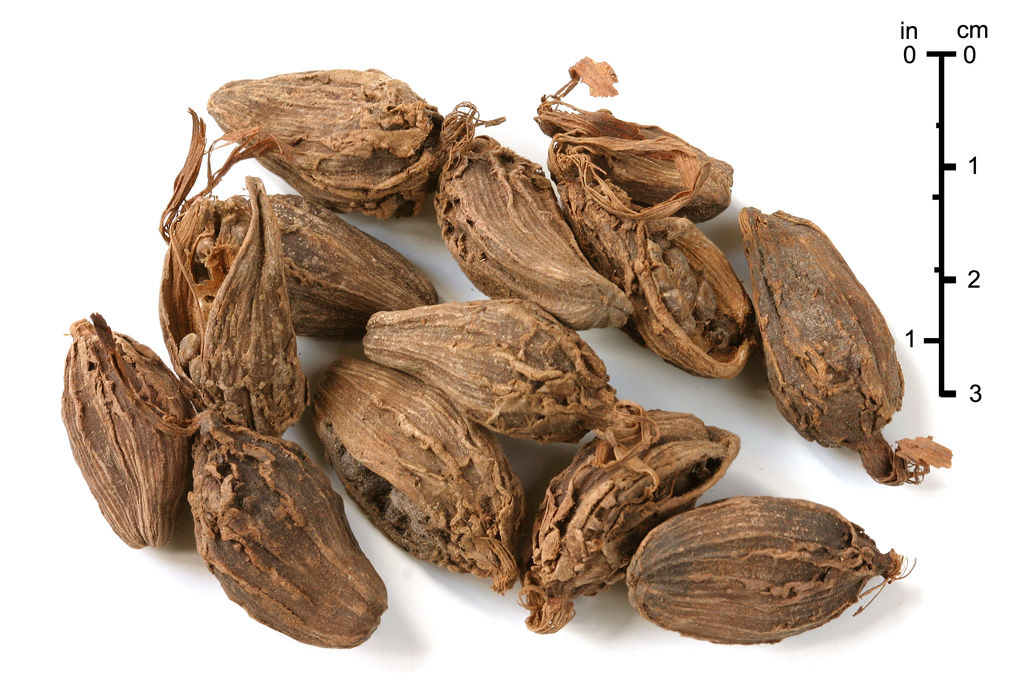 🇳🇵 Nepal and 4 moreBlack cardamom
The dried pod of a Zingiberaceae herb, prized for its smoky, camphor-like flavour in savoury cooking.Fruit · Smoky · Sharp and pungent
🇳🇵 Nepal and 4 moreBlack cardamom
The dried pod of a Zingiberaceae herb, prized for its smoky, camphor-like flavour in savoury cooking.Fruit · Smoky · Sharp and pungent
Photo credits on this page
The small pictures above come from Wikimedia Commons under free licences. Some are cropped to fit.
- Sichuan pepper: Didier Descouens, CC BY-SA 4.0, source
- Black cardamom: Brian Arthur, CC BY-SA 3.0, source
The weekly digest
Every Monday: seven spices you may not know, what is cooking this week, and one blend explained step by step.