🇫🇷 The spices of France
13 spices from France, best known first, across 20 cities, markets and growing areas.
French cooking rests on careful layering of fats, acids, and slow reductions. Spices once marked wealth and balanced heavy meats, while today they anchor foundational sauces and preserve seasonal harvests. The kitchen treats seasoning as a measured craft rather than a quick fix.
- Medieval cooks pounded ingredients into pastes and strained them through fine meshes.
- Three foundational liquids called mother sauces still anchor classic preparations.
- Imported spices like long pepper and grains of paradise once marked wealthy tables.
- Bread served as the daily staple for working classes across all provinces.
- National gastronomy gained UNESCO heritage status in twenty ten.
Spice in France
The kitchen traditions of France developed through centuries of courtly refinement and peasant necessity. Early banquet tables served every dish together, relying on thick sauces and preserved meats. By the seventeenth century, cooks deliberately moved away from Italian and other foreign patterns. They built an indigenous system focused on clarity and technique. Guild regulations in Paris trained generations of artisans before the revolution dissolved those barriers. Modern kitchens still teach these standards worldwide. Neighboring European styles share similar dairy and grain foundations, yet French practice remains distinct in its emphasis on precise heat control and structured flavor development.
The spices of the kitchen
Historical tables prized imported seeds and barks for their sharp warmth and preserving power. Black pepper, cinnamon, cloves, nutmeg, and mace appeared frequently in aristocratic dishes. Cooks also reached for cubebs, long pepper, grains of paradise, and galengale, though these older imports fell out of favor over time. Sweetness often met acidity in the same pot. Vinegar and unripe grape juice blended with honey or refined sugar created a tart profile that cut through rich fats. Saffron threads provided a golden hue and earthy note. Fresh garden herbs like tansy, rue, and hyssop once seasonings, though most have vanished from everyday pans.
Blends and pastes
Flavor builders in this kitchen rely on liquid foundations and historic condiments. Chefs simmered stock with aromatics until they formed three core liquids known as mother sauces. These thickened bases carry the main taste through countless preparations. Older recipes mixed wine with ground spices and sugar to create hypocras, a warming drink served alongside meals. Sweet finishes featured dragées, small hardened candies coated in cinnamon or clover. Marinades for poultry and shellfish appeared in printed guides by the late sixteenth century, soaking proteins in acid and oil before cooking. These mixtures turned raw ingredients into cohesive plates.
Today
International culinary schools still adopt these techniques as standard training. Tourism and restaurant guides brought countryside cooking to wider audiences. The national gastronomic tradition received official recognition as an intangible cultural treasure in two thousand ten. Protected origin labels continue to safeguard regional products against industrial standardization. Migration and global trade introduce new ingredients, yet the core approach to building layered flavors remains firmly rooted in historical practice.
The facts in this overview come from the Wikipedia article "French cuisine", written by its contributors and used under the CC BY-SA 4.0 licence. EveryMasala rewrote the text in its own words, with AI assistance, and compares every page with the article to make sure no passage is copied. It may be reused under the same CC BY-SA 4.0 licence with a link back.
 🇺🇸 United States and 5 moreGingermint
A sterile mint hybrid grown for essential oil and chewing gum flavour.Herbal and green · Sweet and mellow
🇺🇸 United States and 5 moreGingermint
A sterile mint hybrid grown for essential oil and chewing gum flavour.Herbal and green · Sweet and mellow
 🇮🇹 Italy and 5 moreMustard
A pungent paste made from ground mustard seeds mixed with liquid and spices.Paste · Sharp and pungent · Hot and fiery
🇮🇹 Italy and 5 moreMustard
A pungent paste made from ground mustard seeds mixed with liquid and spices.Paste · Sharp and pungent · Hot and fiery
 🇫🇷 France and 3 moreHerbes de Provenceèrbas de Provença
A dried herb blend from southwestern France, now a global kitchen staple.Warm and sweet-spiced · Herbal and green
🇫🇷 France and 3 moreHerbes de Provenceèrbas de Provença
A dried herb blend from southwestern France, now a global kitchen staple.Warm and sweet-spiced · Herbal and green
 🇵🇪 Peru and 3 morePink peppercornbaie rose
The dried fruit of Schinus trees, offering a sweet, piney heat distinct from black pepper.Fruit · Sharp and pungent · Citrus and bright
🇵🇪 Peru and 3 morePink peppercornbaie rose
The dried fruit of Schinus trees, offering a sweet, piney heat distinct from black pepper.Fruit · Sharp and pungent · Citrus and bright
 🇫🇷 France and 1 moreEspelette pepperpiment d'Espelette
A mild Basque chili with sweet, fruity notes and protected origin status.Chilli · Sweet and mellow · Hot and fiery
🇫🇷 France and 1 moreEspelette pepperpiment d'Espelette
A mild Basque chili with sweet, fruity notes and protected origin status.Chilli · Sweet and mellow · Hot and fiery
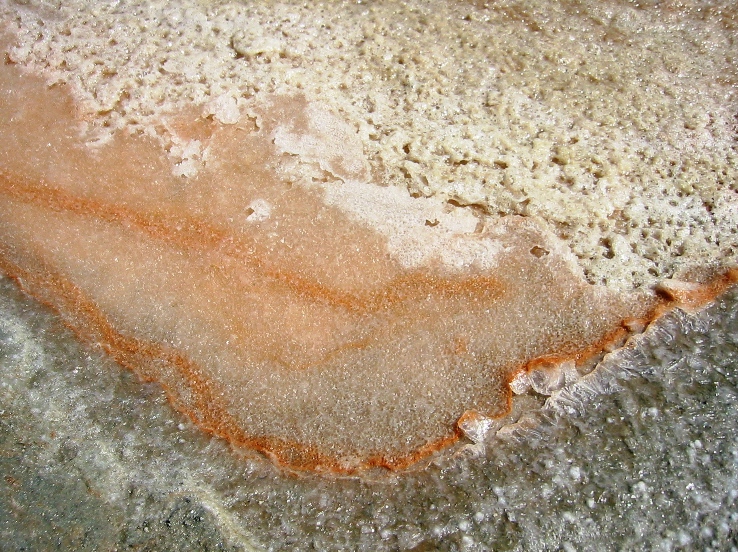 🇫🇷 France and 5 moreFleur de sel
A hand-raked crust of sea salt crystals gathered from evaporation pans.Earthy and deep
🇫🇷 FranceRomenay pepperpiment de Romenay
A compact, mild French chili cultivated in the historical province of Bresse.Chilli · Hot and fiery
🇫🇷 France and 5 moreFleur de sel
A hand-raked crust of sea salt crystals gathered from evaporation pans.Earthy and deep
🇫🇷 FranceRomenay pepperpiment de Romenay
A compact, mild French chili cultivated in the historical province of Bresse.Chilli · Hot and fiery
 🇷🇺 Russia and 5 moreChives
The hollow leaves and purple flowers of a widespread perennial herb in the onion family.Leaf
🇷🇺 Russia and 5 moreChives
The hollow leaves and purple flowers of a widespread perennial herb in the onion family.Leaf
 🇫🇷 FranceSel gris
A coarse, moist sea salt harvested from the bottom of French salt pans.Sharp and pungent · Earthy and deep
🇫🇷 FranceSel gris
A coarse, moist sea salt harvested from the bottom of French salt pans.Sharp and pungent · Earthy and deep
 🇩🇿 Algeria and 5 moreBlack mustard
The dark seeds of an annual plant, used whole in oil or ground into a sharp paste.Sharp and pungent · Hot and fiery
🇩🇿 Algeria and 5 moreBlack mustard
The dark seeds of an annual plant, used whole in oil or ground into a sharp paste.Sharp and pungent · Hot and fiery
Photo credits on this page
The small pictures above come from Wikimedia Commons under free licences. Some are cropped to fit.
- Fleur de sel: Fleur de Sel sea salt. Ile de Re 2005, personal photograph., CC BY-SA 3.0, source
- Black mustard: AnRo0002, CC0, source
- Chives: Jamain, CC BY-SA 3.0, source
- Gingermint: SEWilco, CC BY-SA 3.0, source
- Mustard: Rainer Zenz, CC BY-SA 3.0, source
- Espelette pepper: Unknown author, CC BY-SA 3.0, source
- Herbes de Provence: Unknown author, CC BY 2.0, source
- Pink peppercorn: Milvus, CC BY-SA 3.0, source
- Sel gris: Stéphane Gourichon, CC BY-SA 4.0, source
The weekly digest
Every Monday: seven spices you may not know, what is cooking this week, and one blend explained step by step.