🇭🇺 The spices of Hungary
7 spices from Hungary, best known first, across 3 cities, markets and growing areas.
Hungarian cooking builds its flavor around slow-simmered meats, fresh dairy, and seasonal vegetables, all anchored by daily bread. Spices and seasonings shape the table far more than heat alone, turning simple stews and roasted meats into layered plates. The kitchen relies on ground red peppers, aromatic herbs, and fermented vegetables to balance rich broths and heavy sides.
- Paprika ranges from mild to hot and defines the national flavor profile.
- Iron cauldrons cook meat stews over open fires to tenderize tough cuts.
- Sour cabbage ferments through winter to provide essential vitamins.
- Fish soup recipes differ between the Danube and Tisza riverbanks.
- Thick sour cream cools spicy broths before serving.
Spice in Hungary
This culinary tradition rests on livestock products, garden crops, and baked goods. Meat and dairy form the foundation, while bread appears at every sitting. Neighboring tables across Central and Eastern Europe share many staples, including stuffed cabbage, bean soups, cornmeal porridge, and mixed grilled meats. Historical movements left clear marks on the pantry. Steppe herding practices introduced fire-cooked meat dishes. Later centuries brought Ottoman vegetable preparations, Habsburg baking techniques, and Slavic preservation habits. The result is a sturdy kitchen where heavy proteins meet bright vegetables and tangy dairy. Cooks layer flavors slowly, letting time soften tough cuts and meld simple ingredients into unified plates.
The spices of the kitchen
Ground red peppers dominate the spice rack, available in mild and hot grades. Garlic and onion bulbs provide the starting aroma for most savory pots. Fresh and dried herbs appear regularly, especially dill, marjoram, tarragon, bay leaves, and parsley. Less common additions include savory, horseradish, lovage, thyme, and chives. Seed spices round out the pantry, with caraway, dill seed, poppy seed, black pepper, coriander, and juniper berries finding steady use. Sweet preparations lean toward cinnamon, nutmeg, anise, cloves, lemon peel, vanilla, and allspice. Prepared white mustard blends often carry tarragon or parsley instead of wine vinegar.
Blends and pastes
Cooks combine ingredients into thick sauces and spreads that finish or start dishes. A creamy paprika mixture called Piros Arany adds richness to broths. A sharp chili paste known as Erős Pista brings heat to fish soups and meat stews. White mustard seeds are ground into Dijon-style pastes, frequently folded with tarragon or parsley. Thick sour cream, called tejföl, sits ready to cool down spicy pots before serving. Vegetable relishes like lecsó blend tomatoes and peppers into a jam-like base. Cheese spreads such as körözött mix cured meats and soft cheese for morning bread. These mixtures act as flavor anchors rather than standalone recipes.
Today
Modern kitchens balance heritage with new expectations. Chefs adapt classic recipes for visitors, sometimes altering familiar combinations. Historical imports like ginger and saffron have faded from everyday shelves, replaced by reliable pantry staples. Paprika cultivation remains a major agricultural export, keeping the spice accessible worldwide. Small-scale producers still supply local markets with smoked meats and artisanal cheeses. Migration patterns continue to introduce outside ingredients, while traditional preservation methods stay relevant for home cooks seeking winter provisions.
The facts in this overview come from the Wikipedia article "Hungarian cuisine", written by its contributors and used under the CC BY-SA 4.0 licence. EveryMasala rewrote the text in its own words, with AI assistance, and compares every page with the article to make sure no passage is copied. It may be reused under the same CC BY-SA 4.0 licence with a link back.
 🇲🇽 Mexico and 5 morePaprika
A red powder made from dried Capsicum annuum peppers, used to colour and flavour dishes across Europe and the Middle EasSeed · Sweet and mellow · Hot and fiery
🇲🇽 Mexico and 5 morePaprika
A red powder made from dried Capsicum annuum peppers, used to colour and flavour dishes across Europe and the Middle EasSeed · Sweet and mellow · Hot and fiery
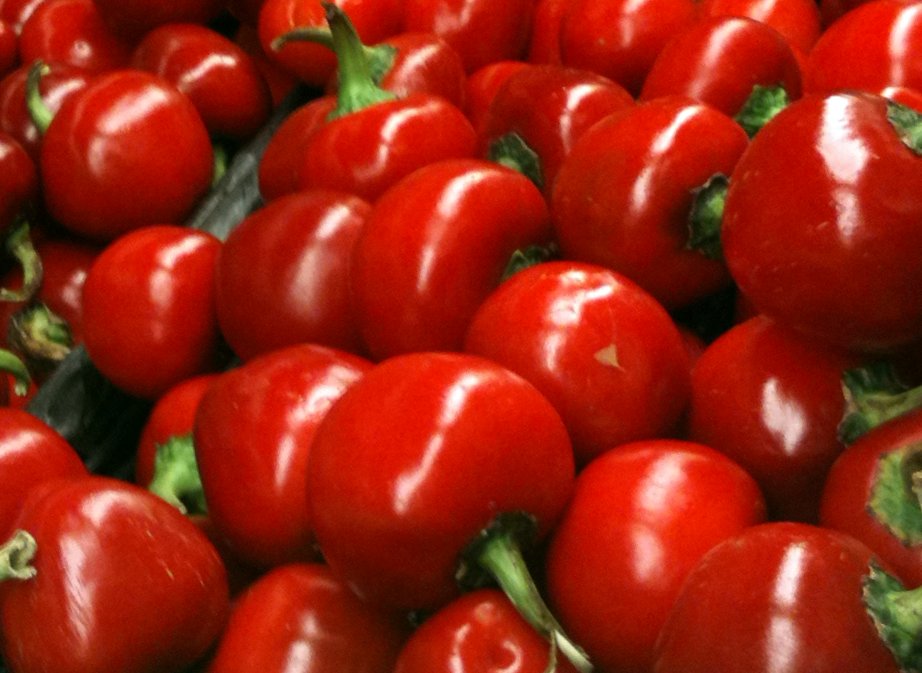 🇭🇺 HungaryCherry peppercseresznyepaprika
A small Capsicum annuum cultivar from Hungary, used for paprika and preserves.Chilli · Hot and fiery · Sweet and mellow
🇭🇺 HungaryCherry peppercseresznyepaprika
A small Capsicum annuum cultivar from Hungary, used for paprika and preserves.Chilli · Hot and fiery · Sweet and mellow
 🇭🇺 Hungary and 5 moreHorseradish
A pungent root vegetable from Southeastern Europe used as a spicy condiment.Root · Hot and fiery · Sharp and pungent
🇭🇺 Hungary and 5 moreHorseradish
A pungent root vegetable from Southeastern Europe used as a spicy condiment.Root · Hot and fiery · Sharp and pungent
Photo credits on this page
The small pictures above come from Wikimedia Commons under free licences. Some are cropped to fit.
- Cherry pepper: James Lee, CC BY 2.0, source
- Horseradish: Pethan, CC BY-SA 3.0, source
- Paprika: Takkk, CC BY-SA 3.0, source
The weekly digest
Every Monday: seven spices you may not know, what is cooking this week, and one blend explained step by step.