
Horseradish
Armoracia rusticana
A pungent root vegetable from Southeastern Europe used as a spicy condiment.
The large white root of Armoracia rusticana provides a sharp, sinus-clearing heat. It is native to Eastern Europe and Western Asia but grows widely in temperate zones. The flavor comes from allyl isothiocyanate released when the root is crushed.
- Hungary produces the most horseradish globally.
- Heat comes from allyl isothiocyanate released when crushed.
- Used as a bitter herb during Jewish Passover.
- Can become invasive if left undisturbed in gardens.
- Often substitutes for scarce wasabi in Japan.
What is Horseradish?
This perennial plant belongs to the mustard family and produces a substantial, tapered root. The foliage consists of bright green, hairless leaves that can reach significant lengths. While the flowers are scented and white, the culinary value lies entirely in the underground storage organ. Fresh roots appear clean and white. They possess almost no scent until physical damage occurs. Cutting or grating triggers a chemical reaction that releases volatile oils. These oils create a sharp, nasal heat that clears the sinuses quickly. Exposure to air or cooking causes the color to darken and the taste to turn bitter.
Where does Horseradish come from?
The species likely originated in Southeastern Europe and Western Asia. Historical records show cultivation since ancient times. Classical writers like Pliny the Elder and Dioscorides described the plant under various names. Medieval herbalists listed it for medicinal purposes. European colonizers brought it to North America. George Washington and Thomas Jefferson documented its growth in their gardens. Native American communities utilized it for health benefits and to prevent scurvy.
What does Horseradish taste like?
The intense heat derives from allyl isothiocyanate. This compound forms when the enzyme myrosinase mixes with glucosinolates like sinigrin upon crushing. The plant uses this mixture as a defense against herbivores. The sensation is immediate and affects the mucous membranes. Heat degrades the compound over time. Prepared versions lose their initial punch and develop bitterness. The raw root offers a cleaner, sharper profile than cooked or aged preparations.
How Horseradish is grown and processed
Plants thrive in hardiness zones two through nine. A cold winter ensures proper dormancy. Harvest happens after autumn frosts kill the tops. Growers dig the main root and replant large offshoots. Left undisturbed, the plant spreads via underground shoots and becomes invasive. Older roots become woody and lose culinary value. Pests include cabbageworms and mustard leaf beetles. Handpicking controls caterpillars in home gardens.
Horseradish, drawn
How Horseradish is used
Cooks grate the root and mix it with vinegar to make a sauce. This preparation stabilizes the flavor and extends shelf life. In the United Kingdom, it accompanies roast beef. Central Europeans serve it with meat and fish dishes. Russians mix it with garlic and tomatoes. Danes blend it with cream for open sandwiches. Americans often combine it with mayonnaise for seafood. The leaves are edible when young and cooked.
Horseradish in the world's kitchens
Eastern and Central European cuisines treat it as essential. Poland, Hungary, and Russia produce the most globally. German cuisine uses it in Bavarian dishes. Ashkenazi Jewish cooking prepares it as chrain. White chrain contains only vinegar and salt. Red chrain includes beetroot. Japanese cuisine sometimes substitutes it for wasabi due to scarcity. Alsatian cuisine uses it in specific sauces.
At a glance: where it turns up
Celebrations


Spiritual and ceremonial use
Jewish tradition mandates its use during Passover. It serves as maror, representing the bitterness of slavery. Christian traditions in Europe eat it during Easter. Good Friday observances include it to symbolize suffering. The condiment fits dietary laws because it contains no dairy. This makes it suitable for both meat and milk meals in Jewish practice.
Horseradish at celebrations
Passover is the primary festival associated with it. The Seder plate requires a bitter herb. Easter celebrations in Europe feature it heavily. German weddings include it with cooked beef. Polish Easter tables serve horseradish soup. Harvest festivals celebrate the digging of the roots. Daily meals in many regions incorporate it regularly.
Traditional and medicinal use
Medieval medicine used both roots and leaves. Native Americans employed it for colds and gland stimulation. Traditional recipes vary by region. Some add sugar or apples. Others use sour cream. Safety notes suggest moderation due to potency. Overconsumption can irritate the digestive tract. No specific medical doses are recommended.
Buying and storing Horseradish
Prepared horseradish keeps for three months refrigerated. Darkening indicates flavor loss. Fresh roots should be kept cool and dry. Grated versions degrade quickly. Vinegar helps preserve the pungency longer. Commercial products often contain stabilizers to maintain color.
What to use instead of Horseradish
Wasabi is the closest relative but is rare outside Japan. Most commercial wasabi contains horseradish. Mustard shares some chemical similarities. Radish offers a milder alternative. Ginger provides heat but lacks the specific nasal punch. No single ingredient perfectly replicates the unique profile.
The trade in Horseradish
Hungary leads global production with twelve thousand metric tonnes annually. Europe produces thirty thousand tonnes total. The United States grows it in Wisconsin, California, and Illinois. Collinsville, Illinois, is a major hub. Trade routes have expanded since antiquity. Adulteration with other roots occurs historically. Modern certification ensures purity.
Meal
It features prominently in dinner settings across Europe. Sunday roasts in Britain rely on it as a side. Eastern European meals use it with boiled meats and fish. It appears on breakfast tables in Denmark with bread. Passover seders utilize it as a bitter herb. Weddings in Southern Germany include it with beef. It also serves as a component in soups and preserves.
Days Horseradish is used for
Questions people ask about Horseradish
Where does horseradish come from?
It is native to Southeastern Europe and Western Asia. Today, Hungary is the largest producer. The United States also grows significant amounts in states like Wisconsin and Illinois.
Why does horseradish make your nose run?
Crushing the root mixes enzymes with chemicals to form allyl isothiocyanate. This volatile oil irritates the sinuses and eyes. The effect is immediate and clears congestion quickly.
How is it different from wasabi?
True wasabi comes from a different plant. Horseradish is cheaper and more common. Many commercial wasabi powders actually contain horseradish mixed with mustard.
What meals is it served with?
It pairs well with fatty meats like roast beef and fish. Eastern Europeans serve it with boiled ham. Americans use it in cocktail sauce. It is also essential for Passover seders.
Does it lose its heat over time?
Yes. Once grated and exposed to air, the flavor degrades. Prepared versions last about three months refrigerated. Darkening signals a loss of pungency and a shift toward bitterness.
Good reading and sources
- Horseradish on WikipediaEncyclopedia
- More photos on Wikimedia CommonsPhotos and video
- Wikidata recordOpen data
The facts on this page come from the Wikipedia article "Horseradish", written by its contributors and used under the CC BY-SA 4.0 licence, and from its Wikidata record (CC0). EveryMasala rewrote the text in its own words, with AI assistance, and compares every page with the article to make sure no passage is copied. It may be reused under the same CC BY-SA 4.0 licence with a link back.
It may contain mistakes. Names, strengths and customs differ from one grower, kitchen or shop to the next. Traditional and medicinal uses are described as tradition, never as medical advice, and none of this is a substitute for a doctor. If something is wrong, tell us. Last refreshed 2026-10-04.
More from Hungary
All the spices of Hungary 🇮🇳 India and 5 moreMustard seed
Tiny seeds from Brassica plants that become a sharp condiment or cooking oil.Seed · Sharp and pungent · Hot and fiery
🇮🇳 India and 5 moreMustard seed
Tiny seeds from Brassica plants that become a sharp condiment or cooking oil.Seed · Sharp and pungent · Hot and fiery
 🇮🇳 India and 5 moreMustard seed
Tiny seeds from three Brassica plants that create pungent condiments and cooking oil.Seed · Hot and fiery · Sharp and pungent
🇮🇳 India and 5 moreMustard seed
Tiny seeds from three Brassica plants that create pungent condiments and cooking oil.Seed · Hot and fiery · Sharp and pungent
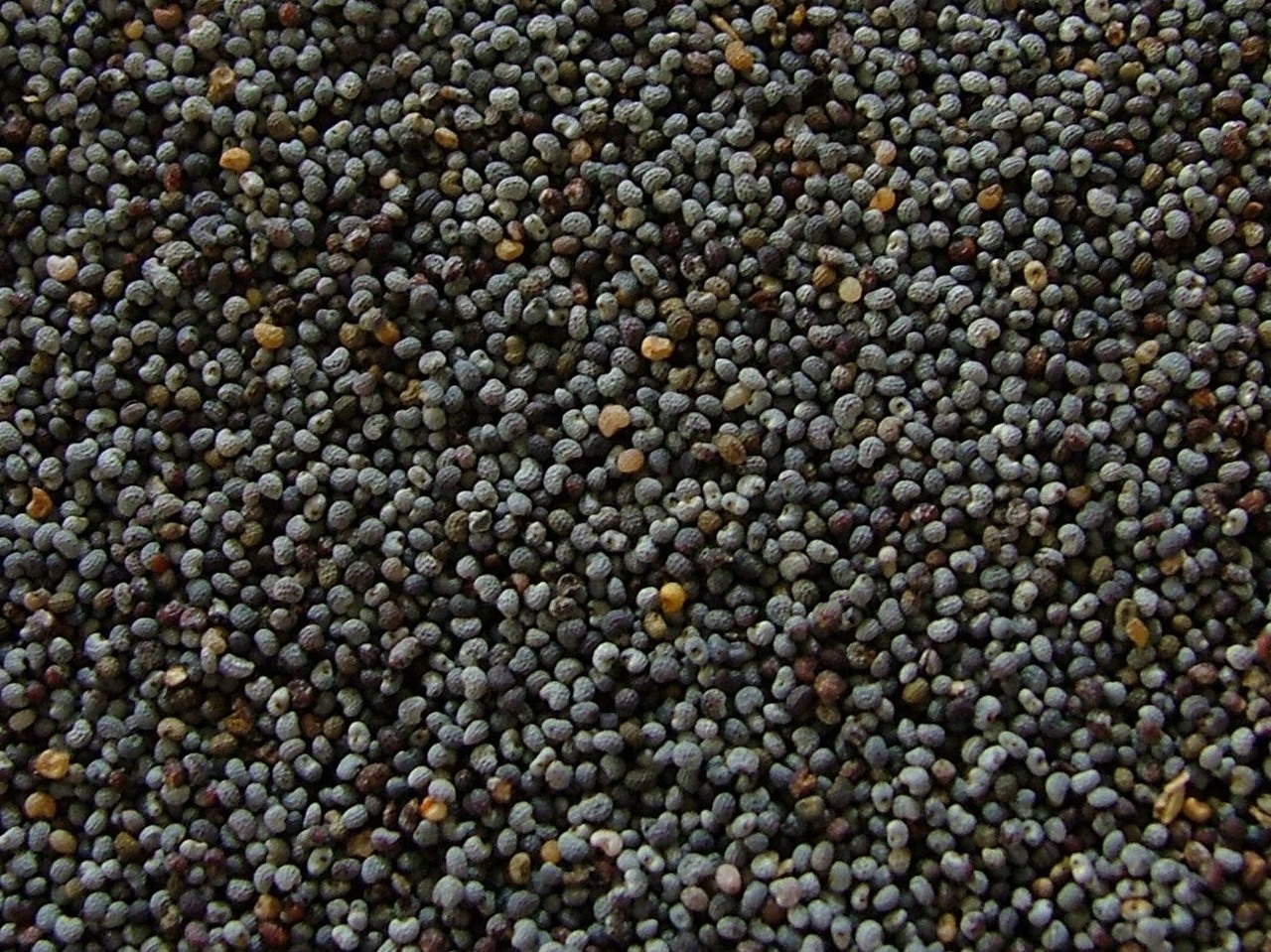 🇹🇷 Turkey and 5 morePoppy seed
The tiny kidney-shaped oilseed of the opium poppy, used in baking and cooking across Europe and South Asia.Seed · Earthy and deep
🇹🇷 Turkey and 5 morePoppy seed
The tiny kidney-shaped oilseed of the opium poppy, used in baking and cooking across Europe and South Asia.Seed · Earthy and deep
 🇲🇽 Mexico and 5 morePaprika
A red powder made from dried Capsicum annuum peppers, used to colour and flavour dishes across Europe and the Middle EasSeed · Sweet and mellow · Hot and fiery
🇲🇽 Mexico and 5 morePaprika
A red powder made from dried Capsicum annuum peppers, used to colour and flavour dishes across Europe and the Middle EasSeed · Sweet and mellow · Hot and fiery
Its cousins elsewhere
All root 🇮🇹 Italy and 5 moreMustard
A pungent paste made from ground mustard seeds mixed with liquid and spices.Paste · Sharp and pungent · Hot and fiery
🇮🇹 Italy and 5 moreMustard
A pungent paste made from ground mustard seeds mixed with liquid and spices.Paste · Sharp and pungent · Hot and fiery
 🇯🇵 JapanKarashiからし
A potent Japanese mustard made from brown mustard seeds, served as a sharp condiment.Seed · Hot and fiery · Sharp and pungent
🇯🇵 JapanKarashiからし
A potent Japanese mustard made from brown mustard seeds, served as a sharp condiment.Seed · Hot and fiery · Sharp and pungent
 🇪🇬 EgyptShattaشطة
A fermented Levantine paste of fresh chillies, garlic, and saltHot and fiery · Sharp and pungent
🇪🇬 EgyptShattaشطة
A fermented Levantine paste of fresh chillies, garlic, and saltHot and fiery · Sharp and pungent
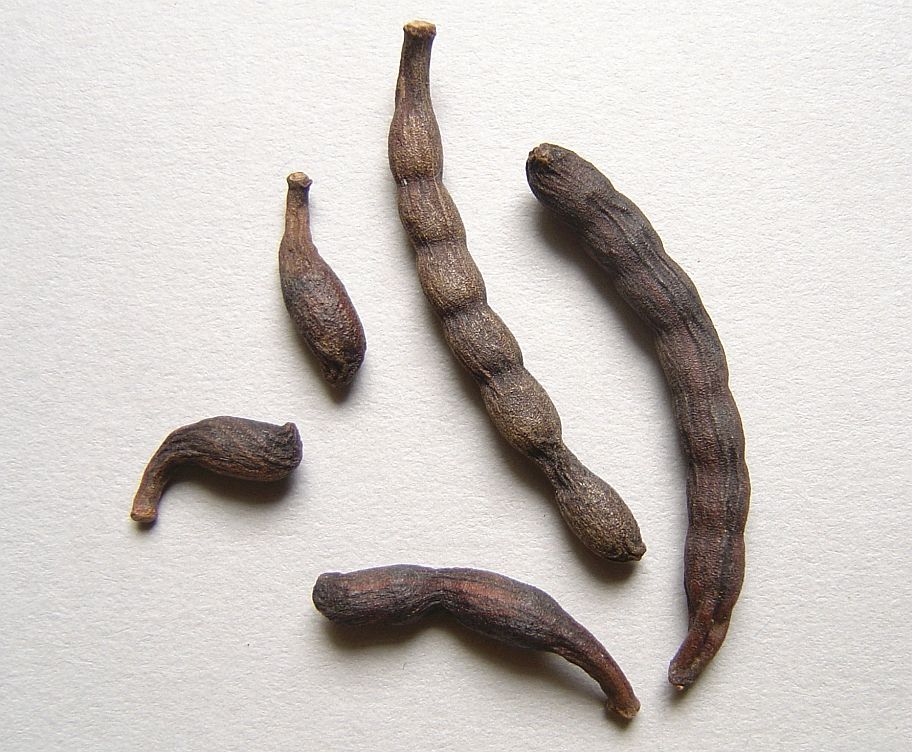 🇬🇭 Ghana and 5 moreGrains of Selimdiarr
The dried fruit of a West African shrub, used as a peppery spice and coffee flavouring.Fruit · Sharp and pungent · Bitter
🇬🇭 Ghana and 5 moreGrains of Selimdiarr
The dried fruit of a West African shrub, used as a peppery spice and coffee flavouring.Fruit · Sharp and pungent · Bitter