🇲🇬 The spices of Madagascar
5 spices from Madagascar, best known first, across 2 cities, markets and growing areas.
Malagasy cuisine centers on rice served with a savory accompaniment known as laoka. Seasoning relies on ginger, garlic, onion, and curry powder to flavor vegetable or meat dishes. This structure reflects centuries of migration from Southeast Asia, Africa, and Europe.
- Rice and laoka form the core structure of most Malagasy meals.
- Zebu cattle were introduced around 1000 CE by East African migrants.
- Curry powder appears in coastal dishes influenced by Indian trade.
- Jaka is a beef confit traditionally prepared for royal ceremonies.
- Prickly pear cactus supports pastoralists in the arid southern regions.
Spice in Madagascar
The culinary traditions of Madagascar blend influences from Southeast Asian settlers, East African migrants, and later European and Indian traders. Rice serves as the foundational staple across most of the island. The central highlands developed complex irrigation systems for paddy cultivation. Coastal areas rely more on tubers and marine resources. The diet evolved through slash-and-burn agriculture and the introduction of zebu cattle. These historical layers create a diverse food culture that balances ancient practices with imported ingredients like tomatoes and maize.
The spices of the kitchen
Ginger, garlic, and onion form the aromatic base for many laoka dishes. Curry powder is used in coastal preparations, particularly those influenced by Indian trade. Vanilla is noted as a local seasoning ingredient alongside salt. Tomato provides acidity and body to sauces. These flavors are typically simmered into the accompaniments rather than applied as dry rubs. The specific spice profiles vary between the central highlands and the arid southern regions where different herbs may be preferred.
Blends and pastes
Laoka refers to the sauce or stew served alongside rice. These mixtures combine vegetables, meats, or seafood with aromatics. Some traditional preparations involve smoking or drying beef, such as kitoza, which adds a concentrated savory depth. Fermented milk curds provide a tangy element in pastoral diets. Sweet desserts like tatao use honey and milk to balance savory meals. Market vendors sell various dried goods that serve as flavor bases for home cooking.
Today
Contemporary Malagasy cuisine continues to evolve through global trade and migration. French colonial influence introduced new cooking styles and ingredients. Indian and Chinese immigrants have added their own culinary traditions to the mix. Protected status for lemur hunting has changed rural consumption patterns. Urban restaurants offer exotic bush meat despite legal restrictions. The cuisine remains rooted in rice and laoka while absorbing modern cultural influences.
The facts in this overview come from the Wikipedia article "Malagasy cuisine", written by its contributors and used under the CC BY-SA 4.0 licence. EveryMasala rewrote the text in its own words, with AI assistance, and compares every page with the article to make sure no passage is copied. It may be reused under the same CC BY-SA 4.0 licence with a link back.
Spice cities and markets of Madagascar
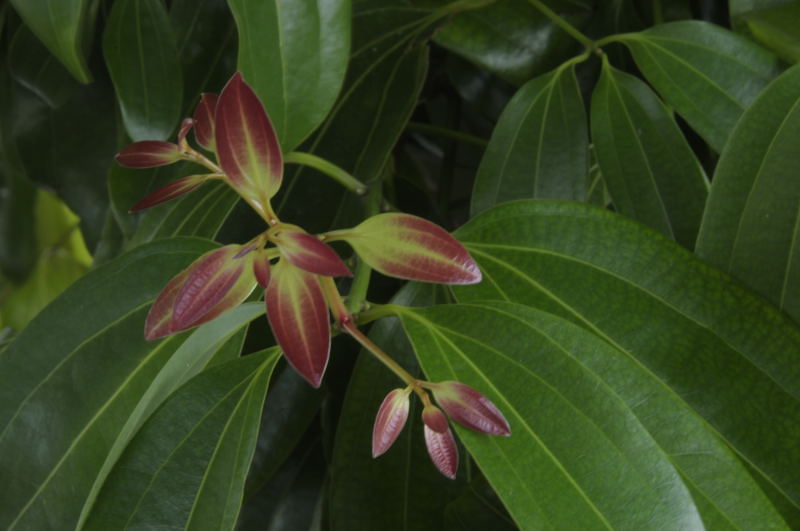 🇱🇰 Sri Lanka and 3 moreCeylon cinnamon
The inner bark of a Sri Lankan evergreen, prized for its delicate, sweet spice.Bark · Sweet and mellow · Warm and sweet-spiced
🇱🇰 Sri Lanka and 3 moreCeylon cinnamon
The inner bark of a Sri Lankan evergreen, prized for its delicate, sweet spice.Bark · Sweet and mellow · Warm and sweet-spiced
 🇲🇽 Mexico and 2 moreVanilla
The cured fruit of a climbing orchid, the world's primary source of vanilla flavouringSweet and mellow · Warm and sweet-spiced
🇲🇽 Mexico and 2 moreVanilla
The cured fruit of a climbing orchid, the world's primary source of vanilla flavouringSweet and mellow · Warm and sweet-spiced
 🇮🇩 Indonesia and 4 moreClove
The dried flower bud of a tropical tree, prized for its intense warmth and numbing bite.Flower · Sharp and pungent · Warm and sweet-spiced
🇮🇩 Indonesia and 4 moreClove
The dried flower bud of a tropical tree, prized for its intense warmth and numbing bite.Flower · Sharp and pungent · Warm and sweet-spiced
Photo credits on this page
The small pictures above come from Wikimedia Commons under free licences. Some are cropped to fit.
- Clove: Bayu Nugroho, CC BY-SA 4.0, source
- Ceylon cinnamon: NickCT, CC BY-SA 3.0, source
- Vanilla: Everglades National Park, Public domain, source
The weekly digest
Every Monday: seven spices you may not know, what is cooking this week, and one blend explained step by step.