
Clove
Syzygium aromaticum
The dried flower bud of a tropical tree, prized for its intense warmth and numbing bite.
Native to Indonesia's Maluku Islands, the clove is the dried, unopened flower bud of Syzygium aromaticum. It delivers a sharp, pungent heat and a sweet, woody aroma driven by eugenol. Cooks use it whole or ground in meats, curries, and spiced drinks across Asia, Africa, and Europe.
- Native to Indonesia's Maluku Islands, once called the Spice Islands.
- Eugenol makes up over seventy percent of the essential oil.
- Used in Indonesian kretek cigarettes and betel quids.
- Archaeologists found cloves in Syria dating back to 1720 BC.
- French smugglers stole trees to spread cultivation to Mauritius.
What is Clove?
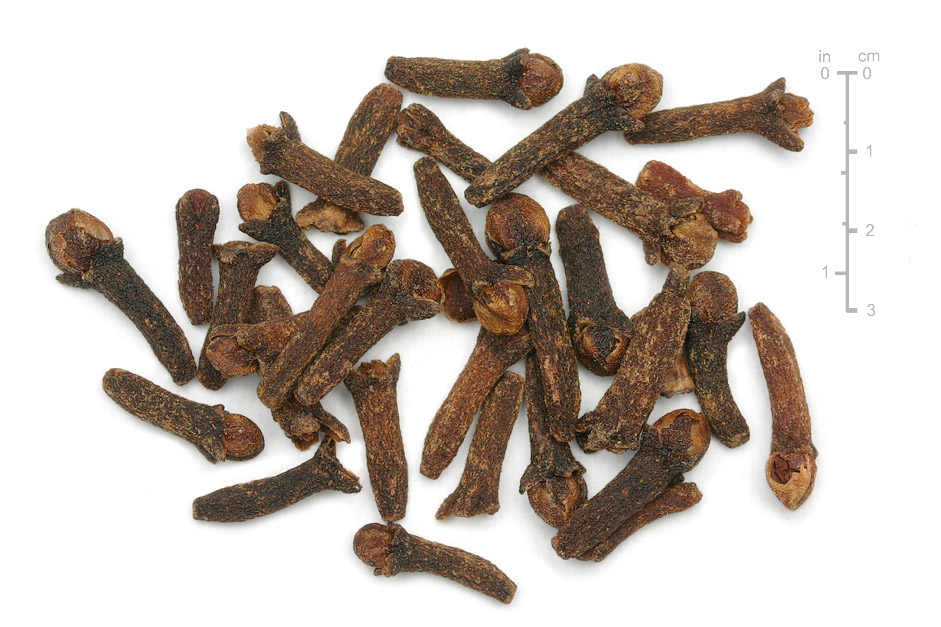
Cloves are the dried, unopened flower buds of an evergreen tree called Syzygium aromaticum. The tree grows tall with large leaves and clusters of crimson flowers. Harvesters pick the buds when they turn from pale green to bright red. Each bud has a long stem ending in four sepals and a central ball of petals. When dried, they become hard, dark brown spikes. They smell strong and sweet, with a sharp, warming bite that can numb the mouth. The taste comes largely from eugenol, a chemical that makes up most of the spice’s essential oil.
Where does Clove come from?
These spices come from the Maluku Islands in Indonesia, once known as the Spice Islands. For centuries, they grew only on a few islands there, such as Ternate and Tidore. Austronesian traders moved them along maritime routes starting around 1500 BC. Archaeological finds show they reached Syria by 1720 BC and Rome by the first century AD. Chinese records mention them early on, though some ancient references likely confused them with other plants. European powers later fought for control of the trade, trying to keep production secret.
What does Clove taste like?
The main flavour comes from eugenol, which makes up seventy-two to ninety percent of the oil. This gives cloves a pungent, sharp scent and a warm, sweet taste. The spice also contains beta-caryophyllene and vanillin. Because the taste is so strong, cooks usually use very little. It pairs well with cinnamon, vanilla, allspice, and peppercorns. The eugenol creates a slight numbing sensation on the tongue, adding depth to dishes without adding capsaicin heat.
How Clove is grown and processed
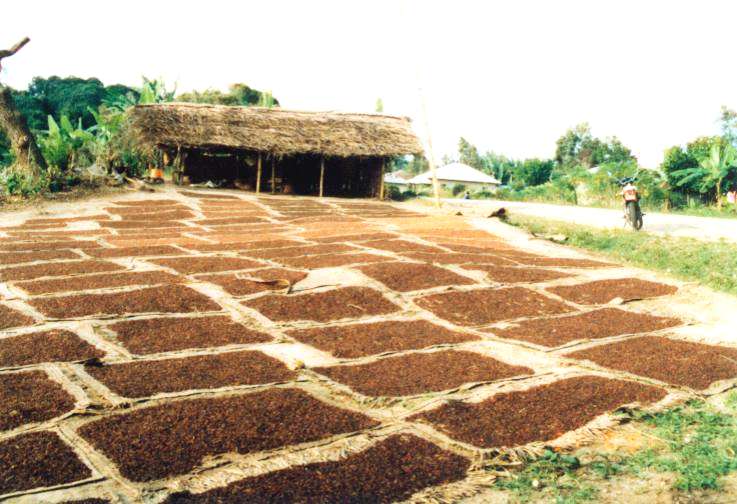
The trees grow in tropical climates and reach heights of eight to twelve metres. Farmers harvest the buds before they open fully. After picking, the buds are dried until they turn dark brown and hard. Indonesia remains the largest producer today, though Madagascar and Tanzania also grow significant amounts. The Dutch East India Company once tried to monopolize the crop by limiting exports, but the trees grew too widely to control completely. Modern farming includes monocultures and agroforestry systems.
Clove, drawn
How Clove is used
Cooking uses these buds whole or ground into powders. They flavour meats like baked ham, curries, and marinades. In Asian cuisines, they appear in spice blends like pumpkin pie spice and Malay rempah. Mexican cuisine uses them as clavos de olor with cumin and cinnamon. Peruvian dishes include them in stews and rice puddings. They also steep in hot drinks with lemon and sugar. Outside cooking, the oil preserves food from mold and protects wood from decay.
Clove in the world's kitchens
Asian cuisines use cloves extensively in complex spice pastes and meat rubs. African traditions incorporate them into stews and ceremonial foods. Mediterranean and Middle Eastern cooks blend them into savory dishes and sweets. Mexican cuisine relies on them alongside cinnamon for mole and tamales. Peruvian cooking adds them to hearty soups and desserts. Malay cuisine groups them with cinnamon, cardamom, and star anise as core flavoring agents.
At a glance: where it turns up


Spiritual and ceremonial use
Religious texts mention the spice in ancient contexts. The Ramayana and Charaka Samhita reference it in historical narratives. Chinese officials once sucked cloves to freshen their breath before speaking to emperors, a practice linked to court etiquette. Burial sites in Europe contained pollen and whole cloves, suggesting use in embalming or funeral rites. Victorian England used pomanders made with cloves as gifts to show warmth and affection.
Clove at celebrations
Historical records link cloves to royal banquets and diplomatic summits. Noblemen displayed them as exotic luxuries at political gatherings. Burial practices in medieval and early modern Europe sometimes included the spice for preservation or ritual purposes. While not tied to specific modern festivals, they remain part of traditional holiday baking in Western cultures. Their presence in ancient trade logs marks them as valuable gifts during important cultural exchanges.
Traditional and medicinal use
Traditional medicine uses clove oil to treat toothaches and dental pain. The eugenol acts as an analgesic for nerve pain in emergencies. Some practitioners use it to fight bacteria in root canals. However, medical authorities have not approved these uses for treating diseases. Taking the oil orally can cause adverse effects for people with liver issues or blood disorders. It is considered unsafe for self-medication without professional guidance.
Buying and storing Clove
Keep whole cloves in airtight containers away from light and heat. Ground cloves lose their potency much faster than whole buds. Store them in a cool, dry place to preserve the essential oils. Check for any musty smells, which indicate spoilage. Whole cloves can last for years if kept properly sealed. Grinding them just before use ensures the strongest flavor in your cooking.
The trade in Clove
The spice drove global exploration and colonial conflict for centuries. The Dutch East India Company attempted to monopolize the trade in the seventeenth century. They failed to control production entirely because the trees grew across many islands. French explorers eventually smuggled seedlings to Mauritius and Seychelles to break the monopoly. Today, Indonesia dominates production, exporting only a fraction of its harvest. The trade routes evolved from ancient maritime networks to modern global commerce.
Meal
Dinner meals often feature whole cloves in slow-cooked meat dishes and rich curries. Snacks may include betel quids mixed with the spice for aroma. Hot drinks benefit from a single bud steeped for fragrance. Preserves and fruit compotes use cloves to add warmth to apples and pears. Street food vendors sometimes use them in savory snacks. Feasts and banquets historically included cloves as luxury items to impress guests.
Blends with Clove
Questions people ask about Clove
What does a clove look like?
It is a small, dried flower bud shaped like a nail. It has a long stem and four sepals forming a head. The color is dark brown when dried, though fresh buds are green or red.
Where do cloves come from originally?
They are native to the Maluku Islands in Indonesia. Historically, they grew wild on only a few specific islands in that region before spreading globally.
How do cloves taste?
They have a strong, pungent aroma and a warm, sweet flavor. The taste is intense due to eugenol, creating a slight numbing sensation on the tongue.
What is the best way to store cloves?
Store whole cloves in airtight containers in a cool, dark place. Ground cloves lose flavor quickly, so buy whole and grind them just before cooking.
Can I use cloves in sweet dishes?
Yes, they pair well with cinnamon, vanilla, and nutmeg. They are common in pumpkin pie spice, mulled wine, and various fruit compotes or desserts.
Good reading and sources
- Encyclopaedia BritannicaArticle
- The world's oldest clove treeBBC, Article
- Noble's Embalming Jar Reveals Traces of 17th-Century MedicineNational Geographic, Article
- Clove on WikipediaEncyclopedia
- More photos on Wikimedia CommonsPhotos and video
- Wikidata recordOpen data
The facts on this page come from the Wikipedia article "Clove", written by its contributors and used under the CC BY-SA 4.0 licence, and from its Wikidata record (CC0). EveryMasala rewrote the text in its own words, with AI assistance, and compares every page with the article to make sure no passage is copied. It may be reused under the same CC BY-SA 4.0 licence with a link back.
It may contain mistakes. Names, strengths and customs differ from one grower, kitchen or shop to the next. Traditional and medicinal uses are described as tradition, never as medical advice, and none of this is a substitute for a doctor. If something is wrong, tell us. Last refreshed 2026-10-04.
More from Indonesia
All the spices of Indonesia 🇮🇩 Indonesia and 2 moreTorch gingerkecombrang
The edible pink flower bud of a rhizomatous plant, used for sourness in Southeast Asian cooking.Flower · Sour and tart · Sharp and pungent
🇮🇩 Indonesia and 2 moreTorch gingerkecombrang
The edible pink flower bud of a rhizomatous plant, used for sourness in Southeast Asian cooking.Flower · Sour and tart · Sharp and pungent
 🇮🇩 Indonesia and 3 moreNutmeg
The dried seed of a tropical evergreen tree, prized for its warm, pungent flavor.Seed · Warm and sweet-spiced · Sweet and mellow
🇮🇩 Indonesia and 3 moreNutmeg
The dried seed of a tropical evergreen tree, prized for its warm, pungent flavor.Seed · Warm and sweet-spiced · Sweet and mellow
 🇮🇳 India and 4 moreCurry paste
A blended mixture of spices and aromatics used as the base for curries in Asia.Warm and sweet-spiced · Earthy and deep
🇮🇳 India and 4 moreCurry paste
A blended mixture of spices and aromatics used as the base for curries in Asia.Warm and sweet-spiced · Earthy and deep
 🇮🇩 Indonesia and 3 moreTemulawak
The rhizome of a Javanese ginger relative, used for its earthy flavour and traditional wellness drinks.Root · Earthy and deep · Bitter
🇮🇩 Indonesia and 3 moreTemulawak
The rhizome of a Javanese ginger relative, used for its earthy flavour and traditional wellness drinks.Root · Earthy and deep · Bitter
Its cousins elsewhere
All flower 🇱🇰 Sri Lanka and 5 moreCinnamon
The dried inner bark of Cinnamomum trees, prized for its sweet warmth and essential oil.Bark · Warm and sweet-spiced · Sweet and mellow
🇱🇰 Sri Lanka and 5 moreCinnamon
The dried inner bark of Cinnamomum trees, prized for its sweet warmth and essential oil.Bark · Warm and sweet-spiced · Sweet and mellow
 🇮🇳 India and 3 moreGaram masalaगरम मसाला
A ground blend of warm spices from the Indian subcontinent used to finish curries and stews.Blend · Warm and sweet-spiced · Sharp and pungent
🇯🇴 Jordan and 5 moreBaharatبهارات
A versatile Middle Eastern spice blend used to season meats and soups.Warm and sweet-spiced · Sharp and pungent
🇮🇳 India and 3 moreGaram masalaगरम मसाला
A ground blend of warm spices from the Indian subcontinent used to finish curries and stews.Blend · Warm and sweet-spiced · Sharp and pungent
🇯🇴 Jordan and 5 moreBaharatبهارات
A versatile Middle Eastern spice blend used to season meats and soups.Warm and sweet-spiced · Sharp and pungent
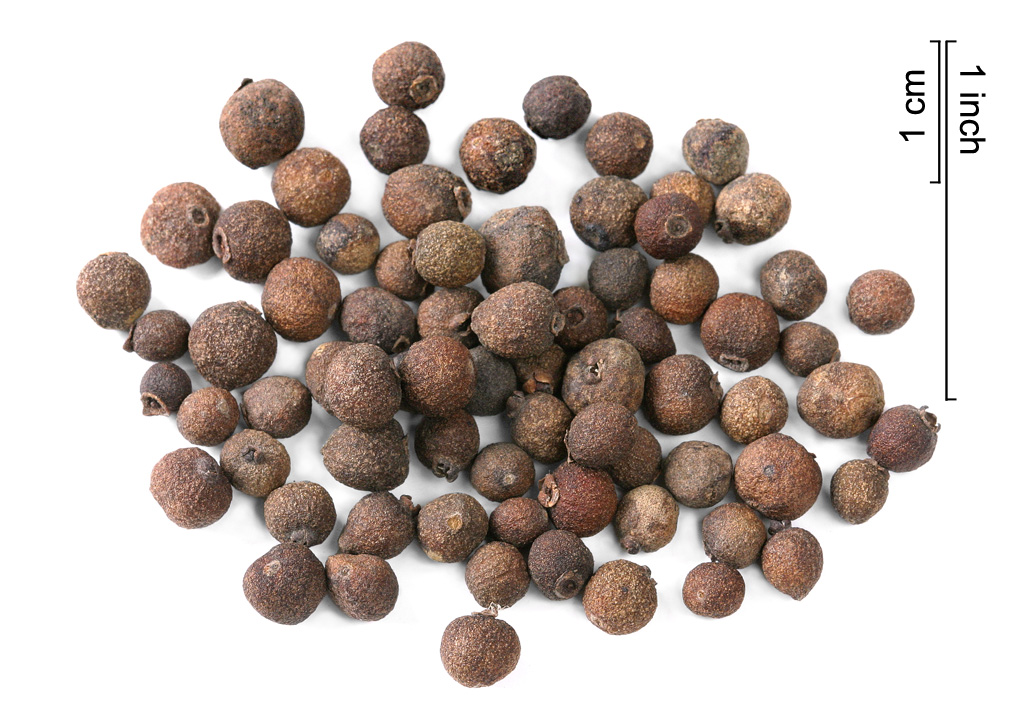 🇯🇲 Jamaica and 2 moreAllspice
The dried green berry of a tropical tree, named for its blend of cinnamon, nutmeg, and clove notes.Fruit · Warm and sweet-spiced · Sweet and mellow
🇯🇲 Jamaica and 2 moreAllspice
The dried green berry of a tropical tree, named for its blend of cinnamon, nutmeg, and clove notes.Fruit · Warm and sweet-spiced · Sweet and mellow