
Vanilla
Vanilla planifolia
The cured seed pods of a climbing orchid, the world's second-most expensive spice by weight.
Derived from the fruit of orchids native to Mesoamerica, this spice is now grown across tropical regions including Madagascar and Indonesia. It offers a sweet, floral aroma and is essential in baking, perfumes, and traditional beverages.
- Edmond Albius discovered hand-pollination at age twelve.
- Madagascar produces the majority of global vanilla.
- Flowers last only one day and require daily inspection.
- Aztecs flavored xocolatl with vanilla pods.
- Most commercial vanilla uses artificial vanillin.
What is Vanilla?
Vanilla comes from the seed pods of orchids in the genus Vanilla. The primary source is the flat-leaved Mexican species, V. planifolia. These pods grow on vines that climb trees or poles. When ripe, they are brownish-red to black. Inside lies an oily liquid filled with tiny seeds. The spice provides a distinct sweet smell and flavor used in many products.
Where does Vanilla come from?
Wild vanilla grew around the Gulf of Mexico and throughout the Caribbean. The Totonac people in Veracruz domesticated it early, using it for fragrance and food. Later, the Aztecs flavored drinks like xocolatl with it. Hernán Cortés brought the spice to Europe in the 1520s. Initially used only with chocolate, it later appeared in sweets and ice cream. Mexico dominated production until the nineteenth century.
What does Vanilla taste like?
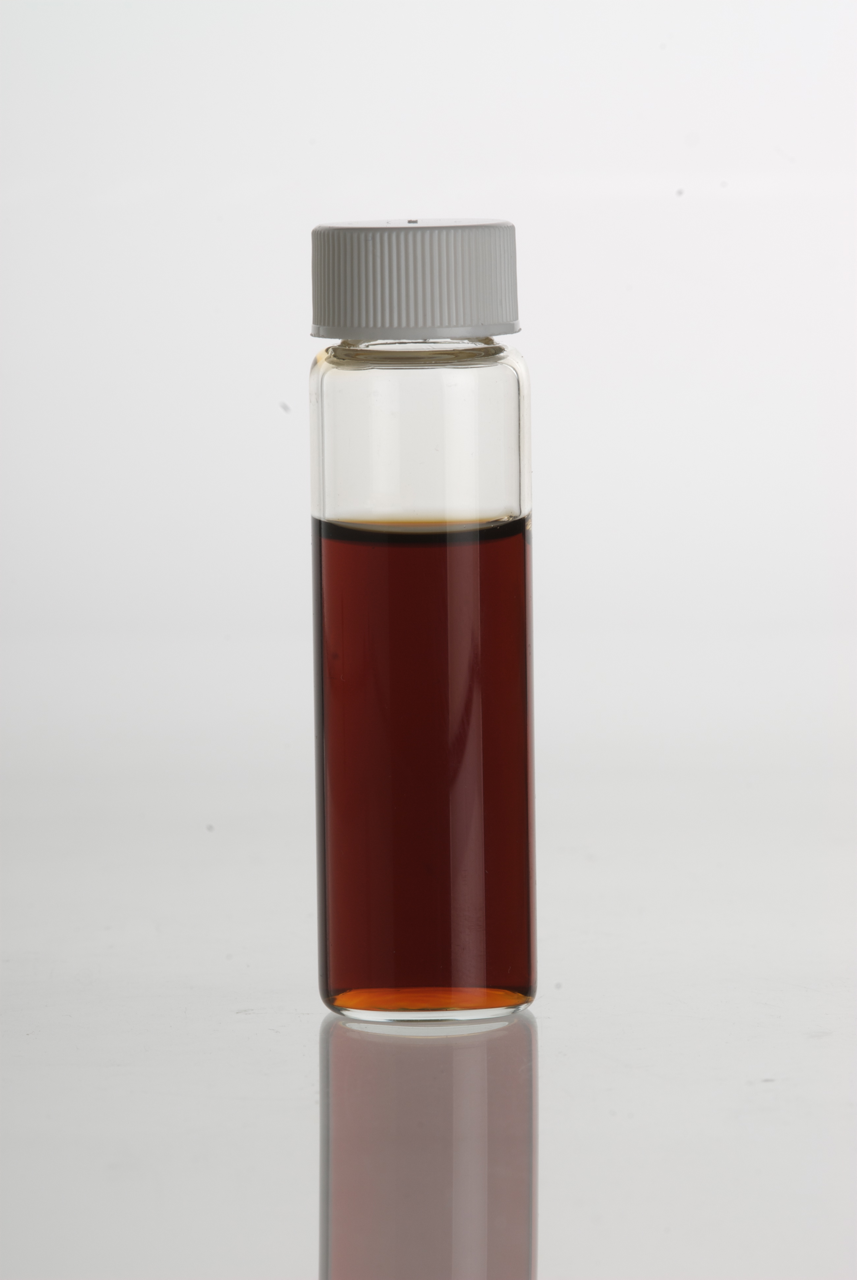
The taste is sweet and floral. This comes from vanillin compounds inside the pod. The scent develops as the pods cure and dry. Phenolic compounds crystallize during this process. Only small amounts are needed to impart this signature flavor. Many commercial products use artificial vanillin instead of real pods.
How Vanilla is grown and processed
Orchids climb supports called tutors. Growers fold vines down to stimulate flowering. Flowers last only one day and must be hand-pollinated. A simple bamboo tool lifts a membrane to transfer pollen. This method was discovered by Edmond Albius in 1841. Pods take months to mature. They are then cured and dried to develop flavor.
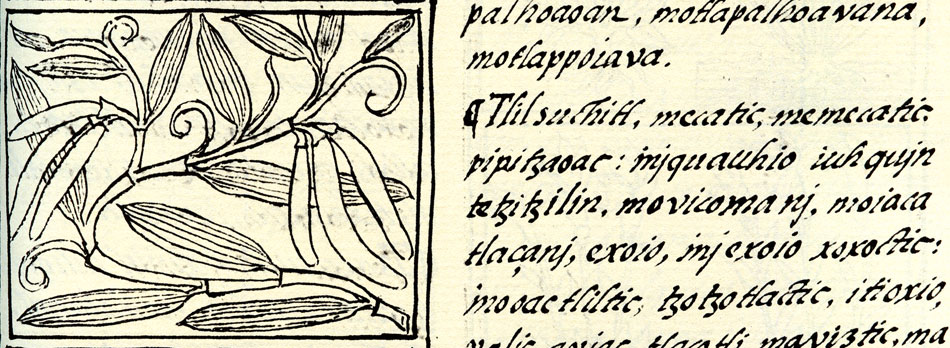
Vanilla, drawn
How Vanilla is used
It flavors baked goods, desserts, and beverages. French cooks used it for ice cream by the eighteenth century. It appears in perfumes and aromatherapy. Traditional uses include flavoring chocolate drinks. Today it seasons both home cooking and industrial food production. Small quantities provide strong impact.
Vanilla in the world's kitchens
Mesoamerican cultures used it first. Aztecs paired it with cacao. European cuisine adopted it for sweets and dairy. French chefs popularized it in ice cream. Indian and Indonesian cuisines now produce large quantities. Each region grows specific varieties like Bourbon or Tahitian vanilla.
At a glance: where it turns up
By meal
Cuisines


Spiritual and ceremonial use
The Totonac people used vanilla as a temple fragrance. They carried it as a good-luck charm in amulets. Ancient Judahite elites may have used it in wine jars in Jerusalem. Traces of vanillin were found in Middle Bronze Age vessels.
Traditional and medicinal use
The Totonacs used it for general well-being as a charm.
What to use instead of Vanilla
Artificial vanillin derived from lignin substitutes most commercial vanilla. This accounts for ninety-five percent of products. Other orchid species like V. pompona offer different flavors but less intensity.
The trade in Vanilla
Madagascar and Indonesia produce two-thirds of the world supply. Prices fluctuate based on cyclones and political stability. A cartel controlled prices until the mid-1980s. Hand pollination makes cultivation labor-intensive. This drives up the cost, making it the second most expensive spice after saffron.
Meal
It belongs primarily to desserts and sweet drinks. It flavors ice cream, cakes, and pastries. Historically, it mixed with cocoa for hot chocolate. It also appears in sweetmeats created by apothecaries. It does not typically season savory main courses.
Questions people ask about Vanilla
Where does vanilla come from?
It originates from orchids native to Mesoamerica. The main species is Vanilla planifolia. Today, Madagascar and Indonesia are the largest producers. The vines climb trees or poles in tropical climates.
How is vanilla harvested?
Growers must hand-pollinate each flower because natural pollinators are rare outside Mexico. The pods mature slowly. They are then cured and dried to develop the characteristic brown color and sweet flavor.
What does vanilla taste like?
It has a sweet, floral aroma and flavor. This comes from vanillin compounds inside the seed pods. The taste is smooth and rich, making it ideal for desserts and sweet beverages.
Why is vanilla so expensive?
It is the second most expensive spice by weight. Cultivation is highly labor-intensive. Each flower requires careful hand pollination. Weather events like cyclones can also drastically reduce supply and raise prices.
Is all vanilla the same?
No. Bourbon vanilla from Madagascar is sweet and creamy. Tahitian vanilla is more floral and fruity. Mexican vanilla has a spicy undertone. West Indian vanilla is milder. Each variety comes from a different orchid species.
Good reading and sources
- Vanilla on WikipediaEncyclopedia
- More photos on Wikimedia CommonsPhotos and video
- Wikidata recordOpen data
The facts on this page come from the Wikipedia article "Vanilla", written by its contributors and used under the CC BY-SA 4.0 licence, and from its Wikidata record (CC0). EveryMasala rewrote the text in its own words, with AI assistance, and compares every page with the article to make sure no passage is copied. It may be reused under the same CC BY-SA 4.0 licence with a link back.
It may contain mistakes. Names, strengths and customs differ from one grower, kitchen or shop to the next. Traditional and medicinal uses are described as tradition, never as medical advice, and none of this is a substitute for a doctor. If something is wrong, tell us. Last refreshed 2026-10-04.
More from Mexico
All the spices of Mexico 🇵🇪 Peru and 5 moreChili pepperchīlli
The pungent berry of the Capsicum plant, used to add heat to dishes worldwide.Fruit · Hot and fiery · Earthy and deep
🇵🇪 Peru and 5 moreChili pepperchīlli
The pungent berry of the Capsicum plant, used to add heat to dishes worldwide.Fruit · Hot and fiery · Earthy and deep
 🇲🇽 Mexico and 5 moreHabanero
A very hot chili cultivar with a floral aroma, native to the Amazon and grown in Mexico.Fruit · Hot and fiery · Floral and perfumed
🇲🇽 Mexico and 5 moreHabanero
A very hot chili cultivar with a floral aroma, native to the Amazon and grown in Mexico.Fruit · Hot and fiery · Floral and perfumed
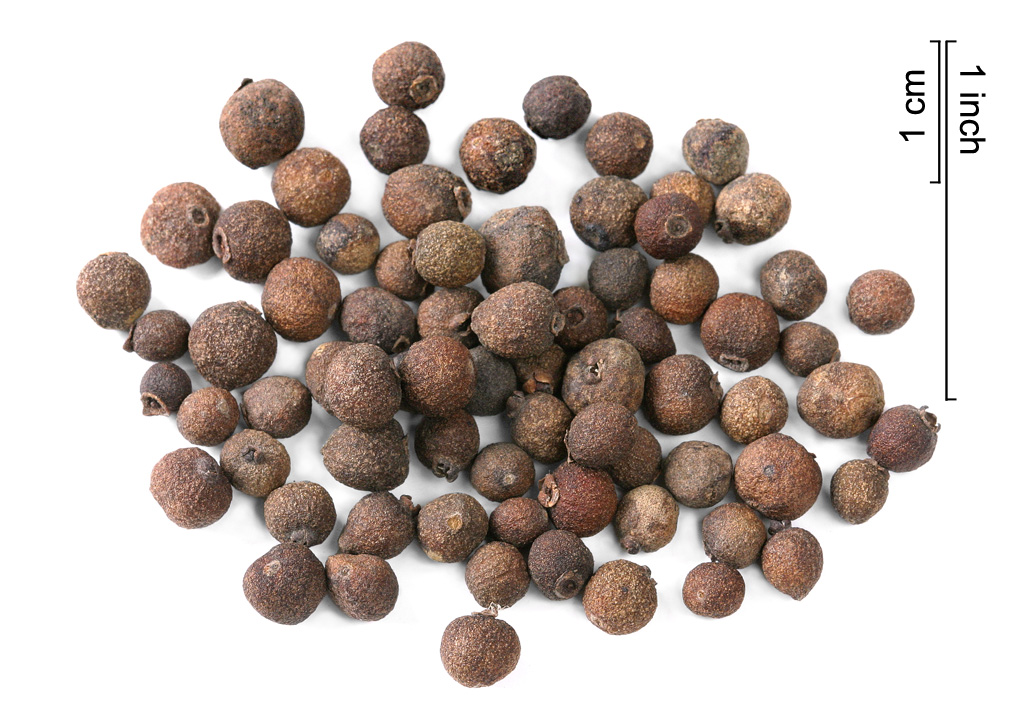 🇯🇲 Jamaica and 2 moreAllspice
The dried green berry of a tropical tree, named for its blend of cinnamon, nutmeg, and clove notes.Fruit · Warm and sweet-spiced · Sweet and mellow
🇯🇲 Jamaica and 2 moreAllspice
The dried green berry of a tropical tree, named for its blend of cinnamon, nutmeg, and clove notes.Fruit · Warm and sweet-spiced · Sweet and mellow
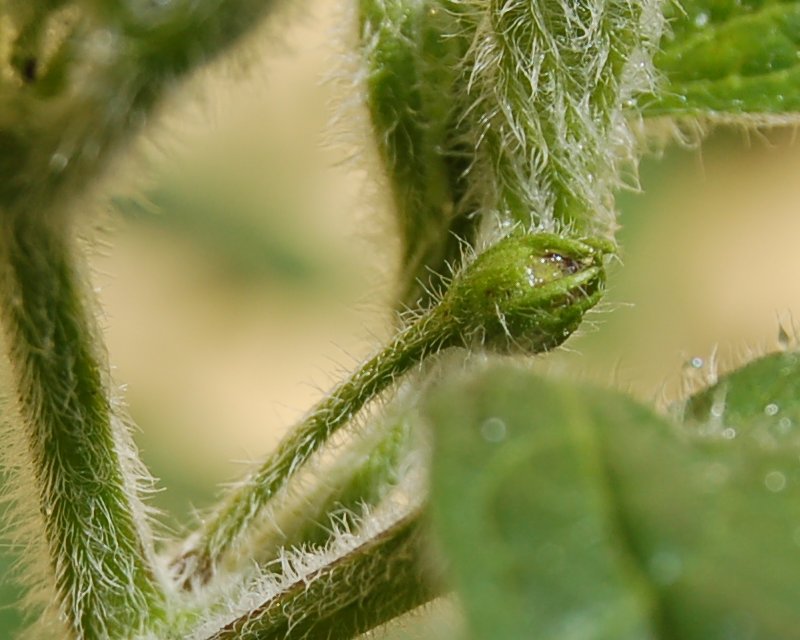 🇵🇪 Peru and 4 moreRocoto
A hairy-leaved Andean pepper with black seeds and a distinct cucumber aroma.Fruit · Hot and fiery · Earthy and deep
🇵🇪 Peru and 4 moreRocoto
A hairy-leaved Andean pepper with black seeds and a distinct cucumber aroma.Fruit · Hot and fiery · Earthy and deep
Its cousins elsewhere
All fruit 🇮🇳 IndiaKewraकेवड़ा
A fragrant essential oil distilled from the male flowers of the screwpine plant.Resin · Sweet and mellow · Floral and perfumed
🇮🇷 IranAdviehادویه
A fragrant blend of spices used to season rice and stews in Iranian cooking.Warm and sweet-spiced · Sweet and mellow
🇮🇳 IndiaKewraकेवड़ा
A fragrant essential oil distilled from the male flowers of the screwpine plant.Resin · Sweet and mellow · Floral and perfumed
🇮🇷 IranAdviehادویه
A fragrant blend of spices used to season rice and stews in Iranian cooking.Warm and sweet-spiced · Sweet and mellow
 🇮🇩 Indonesia and 5 morePandan
The fragrant leaf of a sterile screwpine, used to scent rice and desserts across Asia.Leaf · Sweet and mellow · Floral and perfumed
🇨🇳 China and 4 moreLesser galangal高良薑
An aromatic Asian rhizome with orange flesh and a sweet, gentle spiceRoot · Sweet and mellow · Warm and sweet-spiced
🇮🇩 Indonesia and 5 morePandan
The fragrant leaf of a sterile screwpine, used to scent rice and desserts across Asia.Leaf · Sweet and mellow · Floral and perfumed
🇨🇳 China and 4 moreLesser galangal高良薑
An aromatic Asian rhizome with orange flesh and a sweet, gentle spiceRoot · Sweet and mellow · Warm and sweet-spiced