
Banaras Lal Bharwamirch
In its own language: बनारसी लाल भरवा मिर्च
Capsicum annuum
A thick-skinned chilli from Uttar Pradesh, prized for making traditional stuffed pickles.
This is a cultivar of Capsicum annuum grown in the Varanasi region of Uttar Pradesh, India. The fruit has thick skin that becomes thin when stuffed and spiced. It is mildly hot and traditionally used to make a specific type of preserved condiment.
- It is a cultivar of Capsicum annuum from Uttar Pradesh, India.
- The name means red stuffed chilli in Hindi.
- Skin is thick in the field but thin when stuffed.
- Develops a bitter taste upon ripening.
- Received a GI tag in March 2024.
What is Banaras Lal Bharwamirch?
The Banaras Lal Bharwamirch is a variety of chilli pepper belonging to the species Capsicum annuum. Its name comes from Hindi words meaning red, stuffed, and chilli, referring to its colour and primary use. The fruit is distinct because it possesses exceptionally thick skin while growing in the field. When prepared for preservation, spices are inserted inside, causing the skin to soften and become paper-thin. Unripe fruits lack bitterness, but the taste shifts as the chilli matures. It is often called Lal Sona, or Red Gold, by local growers.
Where does Banaras Lal Bharwamirch come from?
This chilli originates from the Indian state of Uttar Pradesh. It is cultivated specifically in the Purvanchal region, with main growing areas located in the districts of Varanasi, Azamgarh, Jaunpur, Ghazipur, and Ballia. The variety is named after the city of Banaras, also known as Varanasi. In March 2024, it received a Geographical Indication status tag from the Indian government. This legal protection ensures only chillis grown in this specific region can carry the name, marking it as the first chilli from Uttar Pradesh to receive such recognition.
What does Banaras Lal Bharwamirch taste like?
The heat level is mild compared to many other hot peppers. The most notable flavour characteristic is its relationship with ripeness. While the unripe green fruit is not bitter, the mature red fruit develops a distinct bitter note. This bitterness adds complexity to the final dish. The texture changes dramatically during preparation; the robust outer layer yields to a delicate consistency once the interior is filled with salt and spices. The overall profile is defined by this balance of gentle heat and earthy bitterness.
How Banaras Lal Bharwamirch is grown and processed
Farmers cultivate this cultivar in the districts surrounding Varanasi. The plants produce fruits with naturally thick skins. Harvesting occurs when the chillies have ripened to red. The unique processing method involves stuffing the whole fruit with a mixture of spices before preserving it. This stuffing process alters the physical structure of the chilli, thinning the skin significantly. The cultivation is limited to specific districts in Uttar Pradesh, and the harvest supports local agricultural cooperatives seeking geographical indication certification.
Banaras Lal Bharwamirch, drawn
How Banaras Lal Bharwamirch is used
Cooks primarily use this chilli to create Banarasi Lal Mirch Bharwa Achar, a traditional stuffed pickle. The whole ripe fruits are cleaned and then filled with a blend of spices and salt. They are packed into jars to ferment and preserve. The thick skin allows the fruit to hold its shape during stuffing and curing, while eventually becoming tender enough to eat. It serves as a condiment rather than a cooking ingredient for curries. The finished product is a preserved side dish that accompanies meals.
Banaras Lal Bharwamirch in the world's kitchens
The chilli is central to the culinary traditions of Uttar Pradesh, particularly in the eastern Purvanchal region. Local cooks in Varanasi, Azamgarh, and nearby districts rely on this specific variety for their signature pickles. The thick skin is essential for the local technique of stuffing whole chillies without them breaking. Other regions may use thinner-skinned varieties for different types of chutneys, but the Banaras Lal Bharwamirch remains exclusive to this regional style of preservation.
At a glance: where it turns up
By meal
Cuisines

Traditional and medicinal use
Traditional knowledge identifies this fruit as Lal Sona, or Red Gold, highlighting its value to local farmers. The method of stuffing and pickling is a longstanding folk practice in the Varanasi area. The focus remains entirely on its role as a preserved food item.
Buying and storing Banaras Lal Bharwamirch
The chilli is processed into a pickle, which extends its shelf life significantly. The stuffing and salting process acts as a preservative. Consumers keep these jars for extended periods to enjoy the condiment later. Proper storage involves keeping the sealed jars in cool conditions to maintain the quality of the spices and the texture of the fruit.
What to use instead of Banaras Lal Bharwamirch
The thick skin requirement makes other chilli varieties unsuitable for this specific stuffing technique.
The trade in Banaras Lal Bharwamirch
The Geographical Indication registry granted official status to this name in 2024. This protects the brand from imitation and ensures economic benefits for local farmers. Pragatisheel Arajiline Farmer Producer Company Limited managed the registration process. The tag validates the unique link between the product and its place of origin in Uttar Pradesh.
Meal
This spice belongs firmly in the preserve category. It is not used in daily breakfasts or dinners as a fresh ingredient. Instead, it appears as a table condiment alongside main courses. The stuffed pickle provides a sharp, spicy contrast to bland staples like rice or flatbread. It is stored for long periods, making it available throughout the year regardless of the harvest season. It functions as a flavour booster for everyday eating rather than a component of special feast dishes.
Questions people ask about Banaras Lal Bharwamirch
What does Banaras Lal Bharwamirch mean?
The name translates from Hindi as red stuffed chilli. It refers to the fruit's colour and its primary use in being filled with spices for pickles.
Where is this chilli grown?
It is cultivated in the Indian state of Uttar Pradesh, specifically in the districts of Varanasi, Azamgarh, Jaunpur, Ghazipur, and Ballia.
How is the taste described?
It is mildly spicy. A key feature is that unripe fruits are not bitter, but they develop a bitter taste once they fully ripen to red.
What is the main way to eat it?
It is almost exclusively used to make a traditional stuffed pickle. The whole chilli is filled with spices and preserved in jars.
Is it protected by any certification?
Yes, it received a Geographical Indication tag in 2024, meaning only chillis from this specific region can bear this name.
Good reading and sources
The facts on this page come from the Wikipedia article "Banaras Lal Bharwamirch", written by its contributors and used under the CC BY-SA 4.0 licence, and from its Wikidata record (CC0). EveryMasala rewrote the text in its own words, with AI assistance, and compares every page with the article to make sure no passage is copied. It may be reused under the same CC BY-SA 4.0 licence with a link back.
It may contain mistakes. Names, strengths and customs differ from one grower, kitchen or shop to the next. Traditional and medicinal uses are described as tradition, never as medical advice, and none of this is a substitute for a doctor. If something is wrong, tell us. Last refreshed 2026-10-04.
More from India
All the spices of India 🇳🇵 Nepal and 2 moreDalle Khursaniडल्ले खुर्सानी
A round, fiery chilli from the Himalayas, known for its intense heat and vitamin content.Chilli · Hot and fiery
🇳🇵 Nepal and 2 moreDalle Khursaniडल्ले खुर्सानी
A round, fiery chilli from the Himalayas, known for its intense heat and vitamin content.Chilli · Hot and fiery
 🇮🇳 India and 2 moreGhost pepperbhut jolokia
A superhot chili from Northeast India with over one million Scoville units of heat.Chilli · Hot and fiery
🇮🇳 India and 2 moreGhost pepperbhut jolokia
A superhot chili from Northeast India with over one million Scoville units of heat.Chilli · Hot and fiery
 🇨🇳 China and 2 moreCrushed red pepper
Dried and crushed chilli peppers, often with seeds, used as a spicy condiment.Chilli · Hot and fiery · Earthy and deep
🇮🇳 IndiaRamanathapuram Mundu chilli
A round, mild red chilli from Tamil Nadu with a GI tag.Chilli · Hot and fiery · Earthy and deep
🇨🇳 China and 2 moreCrushed red pepper
Dried and crushed chilli peppers, often with seeds, used as a spicy condiment.Chilli · Hot and fiery · Earthy and deep
🇮🇳 IndiaRamanathapuram Mundu chilli
A round, mild red chilli from Tamil Nadu with a GI tag.Chilli · Hot and fiery · Earthy and deep
Its cousins elsewhere
All chilli 🇮🇹 Italy and 5 moreMustard
A pungent paste made from ground mustard seeds mixed with liquid and spices.Paste · Sharp and pungent · Hot and fiery
🇮🇹 Italy and 5 moreMustard
A pungent paste made from ground mustard seeds mixed with liquid and spices.Paste · Sharp and pungent · Hot and fiery
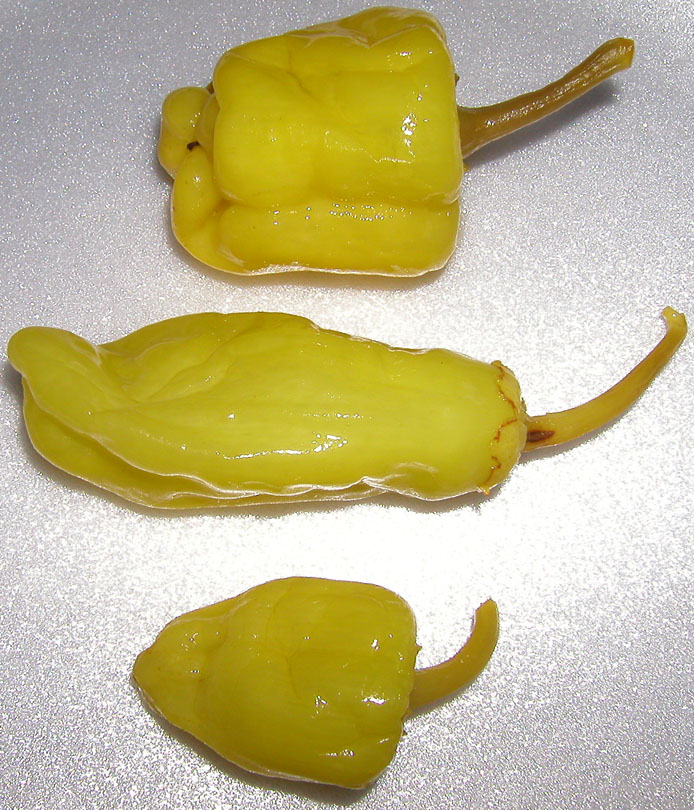 🇮🇹 Italy and 1 moreFriggitello
A mild sweet Italian chilli often pickled, known for its complex flavour and slight heat.Sweet and mellow · Hot and fiery
🇮🇹 Italy and 1 moreFriggitello
A mild sweet Italian chilli often pickled, known for its complex flavour and slight heat.Sweet and mellow · Hot and fiery
 🇵🇪 Peru and 5 moreChili pepperchīlli
The pungent berry of the Capsicum plant, used to add heat to dishes worldwide.Fruit · Hot and fiery · Earthy and deep
🇵🇪 Peru and 5 moreChili pepperchīlli
The pungent berry of the Capsicum plant, used to add heat to dishes worldwide.Fruit · Hot and fiery · Earthy and deep
 🇯🇵 JapanKarashiからし
A potent Japanese mustard made from brown mustard seeds, served as a sharp condiment.Seed · Hot and fiery · Sharp and pungent
🇯🇵 JapanKarashiからし
A potent Japanese mustard made from brown mustard seeds, served as a sharp condiment.Seed · Hot and fiery · Sharp and pungent