
Berbere
In its own language: በርበሬ (bärbäre)
A complex Ethiopian spice blend built on chili peppers, coriander, and ginger.
Berbere is a foundational spice mixture from Ethiopia and Eritrea. It combines heat from chili peppers with earthy coriander, sharp ginger, garlic, and aromatic seeds like korarima and fenugreek. This blend provides the deep, warming base for many traditional stews and meat dishes in the region.
- Berbere is a key ingredient in Ethiopian and Eritrean cuisines.
- It contains chili peppers, coriander, garlic, ginger, and fenugreek.
- The name sometimes refers specifically to the chili pepper itself.
- Korarima is a wild herb often included in traditional blends.
- Besobela, a type of holy basil, is a common component.
What is Berbere?
Berbere is a vibrant red spice blend central to East African cooking. The name refers both to the mixture itself and sometimes directly to the chili pepper used within it. Its composition varies by household but typically includes dried chili peppers as the primary heat source. These are ground together with coriander seeds, ginger root, garlic, and fenugreek. The blend often features local botanicals like korarima seeds, rue, nigella, and ajwain. Some versions include besobela, a type of holy basil native to the region. The result is a coarse or fine powder that serves as the flavor foundation for numerous regional dishes.
Where does Berbere come from?
This spice mixture originates from Ethiopia and Eritrea. It is deeply embedded in the culinary traditions of these nations. The specific combination of ingredients reflects the local flora available in the highlands and lowlands. While chili peppers were introduced later, they became integral to the blend. Traditional recipes vary significantly between families and regions. Some include wild-harvested herbs like korarima, while others rely on cultivated spices. The blend has evolved over centuries to suit local palates and available resources.
What does Berbere taste like?
The taste profile is dominated by the heat of chili peppers, ranging from moderate to significant pungency. Coriander adds a citrusy, nutty undertone that balances the fire. Ginger and garlic provide a sharp, savory depth. Fenugreek contributes a slightly bitter, maple-like note. Korarima offers a unique, camphoraceous aroma distinct to the region. Rue adds a bitter, herbal edge. The overall experience is warm, spicy, and complex, with layers of earthiness and heat lingering on the palate.
How Berbere is grown and processed
Chili peppers are grown in various climates across Ethiopia and Eritrea. Coriander, fenugreek, and other seeds are cultivated or gathered locally. Ginger and garlic are grown in suitable agricultural zones. Korarima is often collected from wild plants growing in the Ethiopian landscape. After harvest, the ingredients are dried thoroughly to preserve them. They are then ground together into a uniform powder. The ratio of chilies to other spices changes based on desired heat levels and family tradition.
Berbere, drawn
How Berbere is used
Berbere is primarily used to season meat and vegetable stews. It is fried in oil at the beginning of cooking to release its flavors. This creates a rich base for dishes like wat. It is also used in marinades for grilled meats. The blend can be mixed with butter or oil for dipping sauces. Cooks adjust the amount of berbere to control the spiciness of the final dish. It is essential for creating the characteristic red color and deep taste of traditional meals.
Berbere in the world's kitchens
Ethiopian cuisine relies heavily on berbere for its signature heat and aroma. Eritrean cuisine shares this dependence due to shared cultural and geographic ties. The blend distinguishes these cuisines from neighboring regions. In Ethiopia, it is used in almost every savory stew. Eritrean preparations may vary slightly in ingredient ratios but maintain the core profile. It is not typically used in non-African cuisines, though global interest is growing.
At a glance: where it turns up
Spiritual and ceremonial use
There are no specific religious rituals tied directly to berbere in the provided sources. However, besobela (holy basil) is mentioned as an ingredient, linking it loosely to sacred plants in Ethiopian Orthodox tradition.
Berbere at celebrations
No specific festivals or holidays are mentioned in connection with berbere. It is used in everyday cooking rather than being reserved for weddings, births, or harvest celebrations. Its presence is consistent across regular meal times throughout the year.
Traditional and medicinal use
Ingredients like ginger and garlic have general folk health associations, but no specific medicinal claims are made for the blend itself.
Buying and storing Berbere
Generally, spice blends should be kept in airtight containers away from light and heat to preserve potency. The drying process ensures longevity, but freshness diminishes over time.
What to use instead of Berbere
No direct substitutes are listed. Mitmita is another Ethiopian spice mixture, but it is distinct. Awaze is a related paste. For those outside the region, a mix of paprika, chili powder, coriander, and ginger might approximate the flavor, though it lacks unique elements like korarima.
The trade in Berbere
The trade routes for individual components like chili peppers and coriander are historical. Berbere itself is largely produced domestically in Ethiopia and Eritrea. Local markets sell pre-mixed berbere alongside whole spices.
Meal
It is most commonly associated with lunch and dinner. The blend forms the backbone of main courses, particularly stews served with injera bread. It is less common in breakfast dishes or desserts. Street food vendors may use it in savory snacks. It is a staple for daily home cooking rather than special occasion feasts alone.
Questions people ask about Berbere
What is berbere?
Berbere is a spice mixture from Ethiopia and Eritrea. It typically includes chili peppers, coriander, garlic, ginger, and fenugreek. It provides heat and depth to stews and meats.
Where does berbere come from?
It originates from Ethiopia and Eritrea. It is a fundamental part of their culinary traditions. The ingredients reflect local agriculture and wild harvesting practices in the region.
How hot is berbere?
It contains chili peppers, making it moderately to very hot. The heat level depends on the ratio of chilies to other spices. It provides a warming pungency to dishes.
What does berbere taste like?
It tastes spicy, earthy, and aromatic. Coriander adds nuttiness, while ginger and garlic bring sharpness. Unique herbs like korarima add distinct regional flavors.
Is berbere the same as mitmita?
No, they are different. Mitmita is another Ethiopian spice mixture but has a different composition. Berbere is more complex with herbs like coriander and fenugreek.
Good reading and sources
- Berbere on WikipediaEncyclopedia
- More photos on Wikimedia CommonsPhotos and video
- Wikidata recordOpen data
The facts on this page come from the Wikipedia article "Berbere", written by its contributors and used under the CC BY-SA 4.0 licence, and from its Wikidata record (CC0). EveryMasala rewrote the text in its own words, with AI assistance, and compares every page with the article to make sure no passage is copied. It may be reused under the same CC BY-SA 4.0 licence with a link back.
It may contain mistakes. Names, strengths and customs differ from one grower, kitchen or shop to the next. Traditional and medicinal uses are described as tradition, never as medical advice, and none of this is a substitute for a doctor. If something is wrong, tell us. Last refreshed 2026-10-04.
More from Ethiopia
All the spices of Ethiopia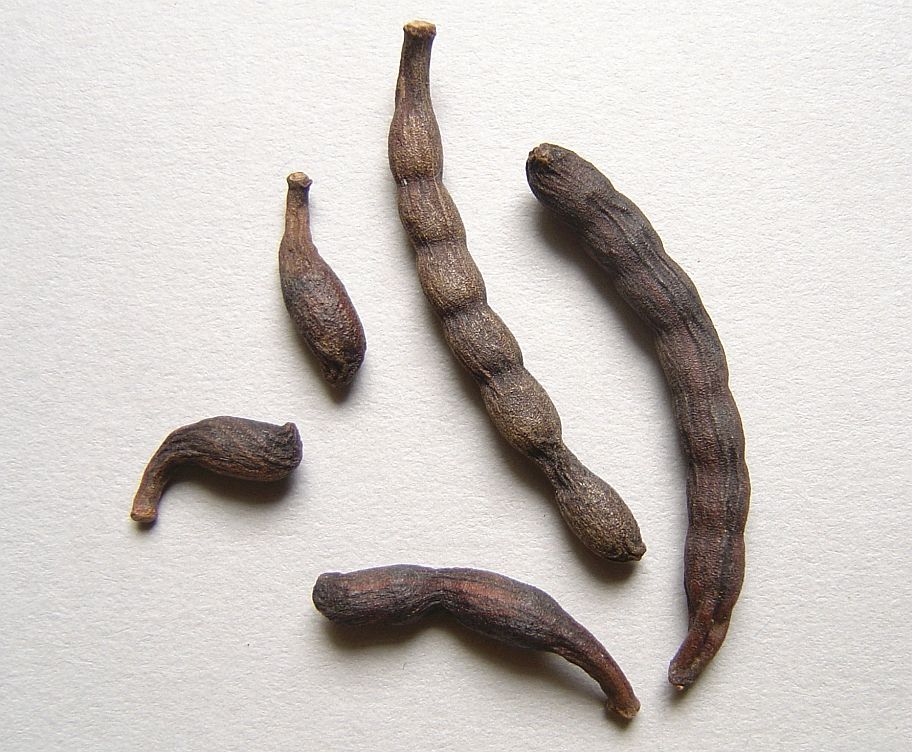 🇬🇭 Ghana and 5 moreGrains of Selimdiarr
The dried fruit of a West African shrub, used as a peppery spice and coffee flavouring.Fruit · Sharp and pungent · Bitter
🇬🇭 Ghana and 5 moreGrains of Selimdiarr
The dried fruit of a West African shrub, used as a peppery spice and coffee flavouring.Fruit · Sharp and pungent · Bitter
 🇪🇹 EthiopiaMitmitaሚጥሚጣ
A fiery Ethiopian spice blend of bird's eye chilies, cardamom, and cloves.Blend · Hot and fiery · Warm and sweet-spiced
🇪🇹 EthiopiaMitmitaሚጥሚጣ
A fiery Ethiopian spice blend of bird's eye chilies, cardamom, and cloves.Blend · Hot and fiery · Warm and sweet-spiced
 🇪🇹 Ethiopia and 4 moreKorarima
The dried seeds of a wild ginger relative, essential to Ethiopian and Eritrean cooking.Seed · Warm and sweet-spiced · Citrus and bright
🇪🇹 Ethiopia and 4 moreKorarima
The dried seeds of a wild ginger relative, essential to Ethiopian and Eritrean cooking.Seed · Warm and sweet-spiced · Citrus and bright
 🇲🇽 Mexico and 5 moreCapsicum frutescens
A small, wild chili species with erect berries, native to the Americas and widely grown in tropical regions.Chilli · Hot and fiery
🇲🇽 Mexico and 5 moreCapsicum frutescens
A small, wild chili species with erect berries, native to the Americas and widely grown in tropical regions.Chilli · Hot and fiery
Its cousins elsewhere
 🇮🇳 India and 4 moreCurry powder
A Western adaptation of Indian spice blends for cooking sauces and stews.Blend · Warm and sweet-spiced · Earthy and deep
🇮🇳 IndiaBafat
A coastal Indian spice blend for pork stews and meat dishesBlend · Hot and fiery · Earthy and deep
🇮🇳 India and 4 moreCurry powder
A Western adaptation of Indian spice blends for cooking sauces and stews.Blend · Warm and sweet-spiced · Earthy and deep
🇮🇳 IndiaBafat
A coastal Indian spice blend for pork stews and meat dishesBlend · Hot and fiery · Earthy and deep
 🇱🇾 Libya and 1 morePilpelchumaפלפלצ'ומה
A spicy garlic paste made from steamed peppers and olive oil, rooted in Libyan Jewish tradition.Hot and fiery · Sharp and pungent
🇱🇾 Libya and 1 morePilpelchumaפלפלצ'ומה
A spicy garlic paste made from steamed peppers and olive oil, rooted in Libyan Jewish tradition.Hot and fiery · Sharp and pungent
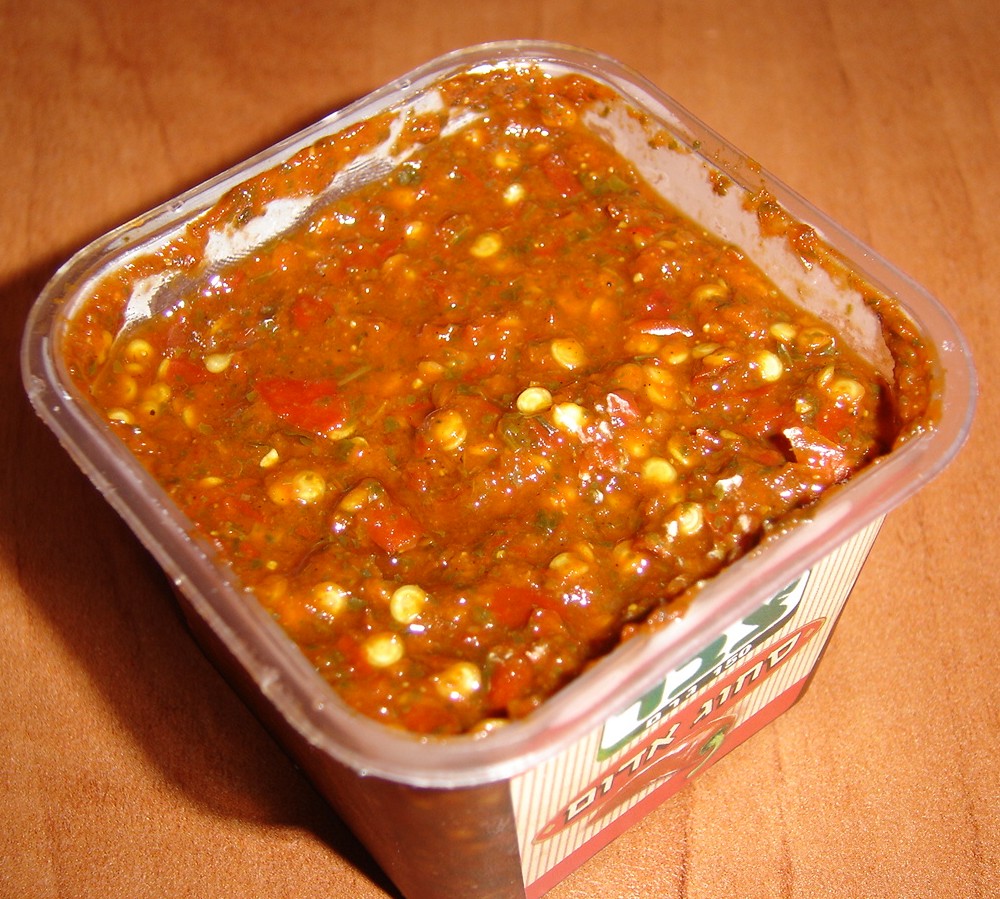 🇾🇪 Yemen and 1 moreZhugسحوق
A Yemeni hot sauce of crushed chilies, garlic, and corianderHot and fiery · Sharp and pungent
🇾🇪 Yemen and 1 moreZhugسحوق
A Yemeni hot sauce of crushed chilies, garlic, and corianderHot and fiery · Sharp and pungent