
Korarima
Aframomum corrorima
The dried seeds of a wild ginger relative, essential to Ethiopian and Eritrean cooking.
Korarima is the seed of a flowering plant in the ginger family, native to East Africa. It is widely used in Ethiopia and Eritrea for its cardamom-like flavor in spice blends and coffee.
- Native to Ethiopia, Eritrea, Tanzania, Sudan, and Uganda.
- Seeds resemble green cardamom in flavor and appearance.
- Key ingredient in berbere and mitmita spice blends.
- Used in Ethiopian herbal medicine as a digestive tonic.
- Essential oil contains 1,8-cineole and nerolidol.
What is Korarima?
Korarima comes from Aframomum corrorima, a perennial herb in the ginger family. The plant grows leafy stems from rhizomes and produces pink flowers near the ground. These flowers develop into red fruits that hold shiny brown seeds. The spice consists of these dried seeds. They are small, usually measuring three to five millimeters across. The taste resembles green cardamom, offering warm and citrus notes typical of the Zingiberaceae family.
Where does Korarima come from?
The plant is native to several regions in East Africa. Its natural range includes western Ethiopia near Lake Tana and Gelemso, southwestern Sudan, western Uganda, and Tanzania. While it grows wild in these areas, it is also cultivated in Ethiopia and Eritrea. Most harvests still come from wild plants rather than farms.
What does Korarima taste like?
The flavor profile is similar to Elettaria cardamomum, or green cardamom. This similarity gives korarima its common names, Ethiopian cardamom and false cardamom. The essential oil contains compounds like 1,8-cineole and nerolidol. Fresh seeds have high levels of cineole, sabinene, and geraniol. Dried seeds retain significant aromatic oils that provide a sharp, warming taste.
How Korarima is grown and processed
The plant thrives in the wild across its native range. Farmers in Ethiopia and Eritrea cultivate it as well. Harvesters collect the red fruits from wild plants. The fruits are then processed to extract the seeds. Drying is the standard method for preservation before sale in local markets.
Korarima, drawn
How Korarima is used
This spice is central to Ethiopian and Eritrean cuisine. It is a key ingredient in berbere and mitmita, popular spice mixtures. It is also added to awaze, a spicy condiment. Beyond savory dishes, korarima flavors traditional coffee preparations. Cooks use the dried seeds whole or ground to impart their distinct aroma.
Korarima in the world's kitchens
Ethiopian and Eritrean cuisines rely heavily on this spice. It defines the flavor of many local dishes. The spice is sold in markets across these countries. In production areas, fresh fruits are available, while dried seeds travel further to reach consumers elsewhere.
At a glance: where it turns up


Traditional and medicinal use
In Ethiopian herbal medicine, the seeds serve as a tonic. They are traditionally used as a carminative to aid digestion. The seeds are also employed as a laxative. These uses reflect folk medicine practices rather than clinical advice.
What to use instead of Korarima
Green cardamom is the closest substitute due to the similar flavor profile. Cooks often use them interchangeably because of their shared characteristics within the ginger family.
The trade in Korarima
Dried fruits and seeds are widely sold in local markets. They are considered relatively expensive compared to other spices. Fresh fruits are primarily sold in the areas where they are produced. The trade supports both wild harvesters and cultivators in Ethiopia and Eritrea.
Meal
Korarima appears in daily meals and special drinks. It is mixed into dinner dishes through spice blends like berbere. It is also brewed with coffee, making it part of the morning or afternoon ritual. The spice enhances both savory food and hot beverages.
Blends with Korarima
Questions people ask about Korarima
What is korarima?
Korarima is the dried seed of Aframomum corrorima, a ginger-family plant native to East Africa. It is known for its cardamom-like flavor and is essential in Ethiopian and Eritrean cooking.
Where does korarima come from?
The plant is native to Tanzania, western Ethiopia, southwestern Sudan, and western Uganda. It is cultivated in Ethiopia and Eritrea, though most supply comes from wild harvesting.
How does korarima taste?
It tastes very similar to green cardamom. The flavor is warm and citrusy, derived from essential oils like 1,8-cineole found in the seeds.
How is korarima used in cooking?
It is used in spice mixes like berbere and mitmita, in the condiment awaze, and to flavor coffee. It adds a distinctive aromatic depth to dishes.
Good reading and sources
- Aframomum corrorima on WikipediaEncyclopedia
- More photos on Wikimedia CommonsPhotos and video
- Wikidata recordOpen data
The facts on this page come from the Wikipedia article "Aframomum corrorima", written by its contributors and used under the CC BY-SA 4.0 licence, and from its Wikidata record (CC0). EveryMasala rewrote the text in its own words, with AI assistance, and compares every page with the article to make sure no passage is copied. It may be reused under the same CC BY-SA 4.0 licence with a link back.
It may contain mistakes. Names, strengths and customs differ from one grower, kitchen or shop to the next. Traditional and medicinal uses are described as tradition, never as medical advice, and none of this is a substitute for a doctor. If something is wrong, tell us. Last refreshed 2026-10-04.
More from Ethiopia
All the spices of Ethiopia 🇬🇳 Guinea and 5 moreGrains of paradise
The pungent, citrus-tinged seeds of a West African ginger relative.Seed · Sharp and pungent · Hot and fiery
🇬🇳 Guinea and 5 moreGrains of paradise
The pungent, citrus-tinged seeds of a West African ginger relative.Seed · Sharp and pungent · Hot and fiery
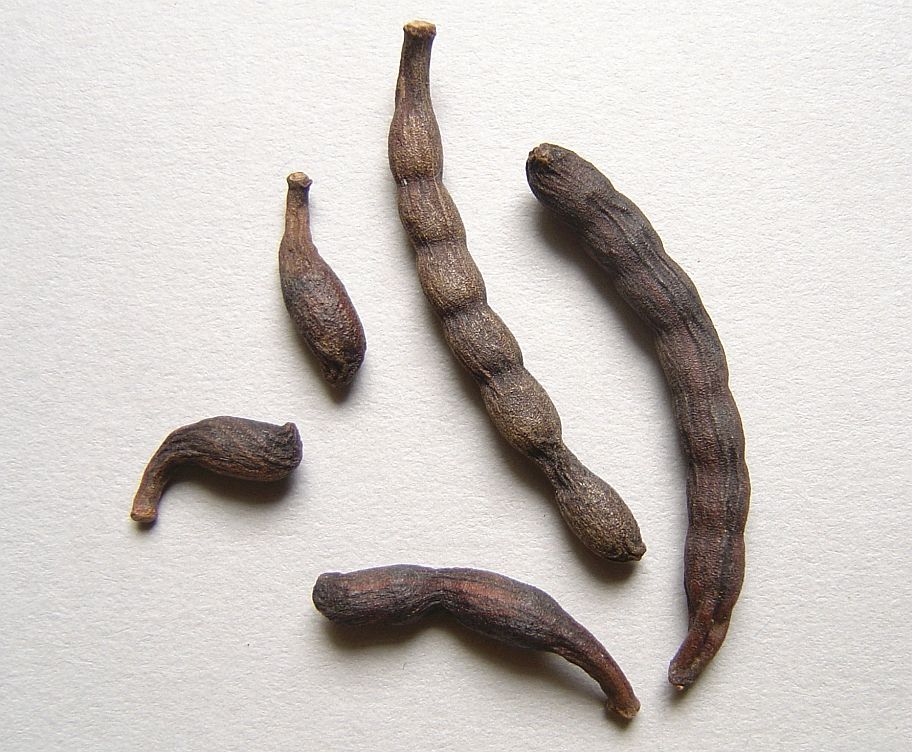 🇬🇭 Ghana and 5 moreGrains of Selimdiarr
The dried fruit of a West African shrub, used as a peppery spice and coffee flavouring.Fruit · Sharp and pungent · Bitter
🇬🇭 Ghana and 5 moreGrains of Selimdiarr
The dried fruit of a West African shrub, used as a peppery spice and coffee flavouring.Fruit · Sharp and pungent · Bitter
 🇪🇹 EthiopiaMitmitaሚጥሚጣ
A fiery Ethiopian spice blend of bird's eye chilies, cardamom, and cloves.Blend · Hot and fiery · Warm and sweet-spiced
🇪🇹 EthiopiaMitmitaሚጥሚጣ
A fiery Ethiopian spice blend of bird's eye chilies, cardamom, and cloves.Blend · Hot and fiery · Warm and sweet-spiced
 🇳🇬 Nigeria and 3 moreAshanti pepper
The dried fruit of a climbing vine, used for its fresh, herbaceous heat in West African stews.Fruit · Sharp and pungent · Bitter
🇳🇬 Nigeria and 3 moreAshanti pepper
The dried fruit of a climbing vine, used for its fresh, herbaceous heat in West African stews.Fruit · Sharp and pungent · Bitter
Its cousins elsewhere
All seed 🇮🇳 India and 4 moreBasil
A tender culinary herb with glossy leaves and a licorice-like aroma, native to tropical Asia.Leaf · Anise and liquorice · Warm and sweet-spiced
🇮🇳 India and 4 moreBasil
A tender culinary herb with glossy leaves and a licorice-like aroma, native to tropical Asia.Leaf · Anise and liquorice · Warm and sweet-spiced
 🇮🇳 India and 2 moreCardamom
Aromatic seeds from spindle-shaped pods used in sweet and savory dishes across Asia and the Middle East.Seed · Sharp and pungent · Warm and sweet-spiced
🇮🇳 India and 2 moreCardamom
Aromatic seeds from spindle-shaped pods used in sweet and savory dishes across Asia and the Middle East.Seed · Sharp and pungent · Warm and sweet-spiced
 🇮🇳 India and 4 moreCurry paste
A blended mixture of spices and aromatics used as the base for curries in Asia.Warm and sweet-spiced · Earthy and deep
🇮🇳 India and 4 moreCurry paste
A blended mixture of spices and aromatics used as the base for curries in Asia.Warm and sweet-spiced · Earthy and deep
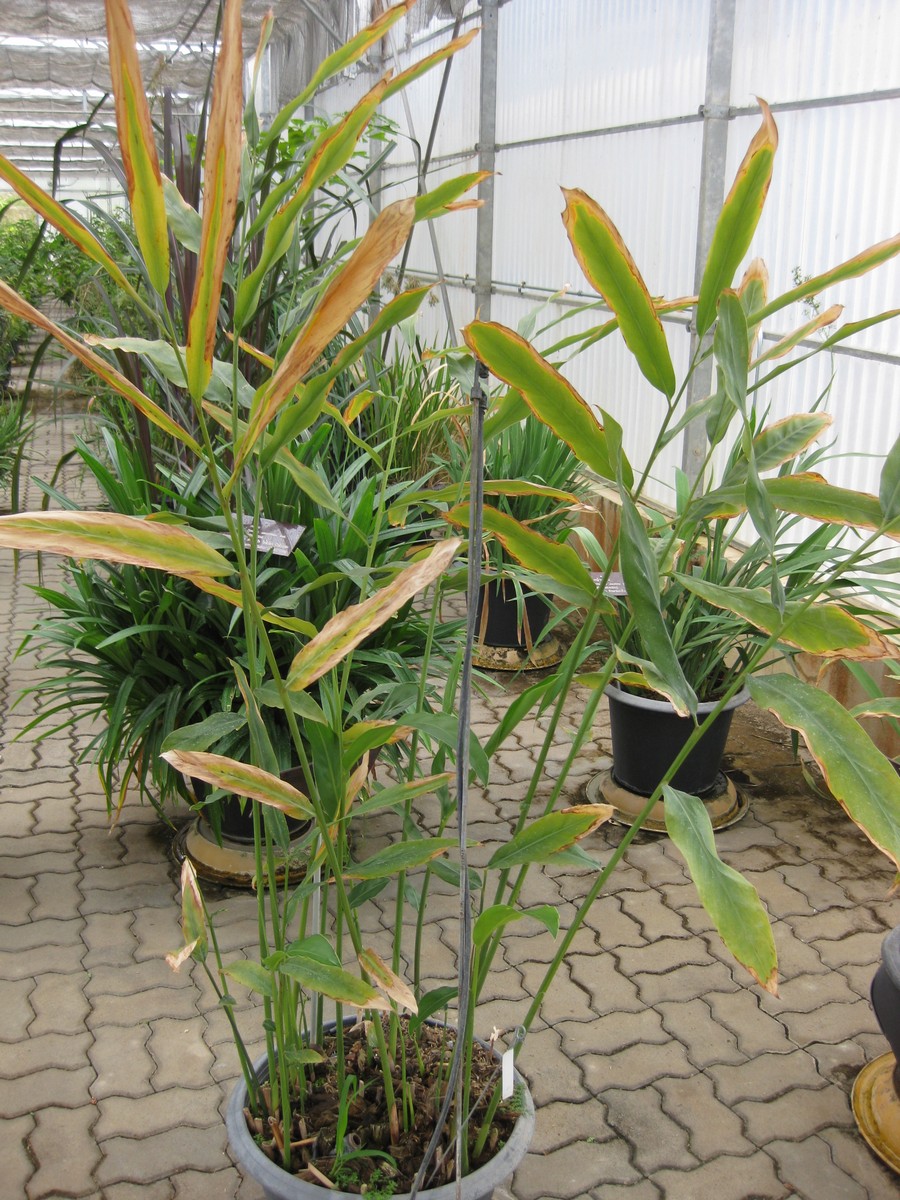 🇮🇩 Indonesia and 5 moreGreater galangalข่า
The pungent rhizome of a ginger relative, essential in Southeast Asian soups and curries.Root · Sharp and pungent · Citrus and bright
🇮🇩 Indonesia and 5 moreGreater galangalข่า
The pungent rhizome of a ginger relative, essential in Southeast Asian soups and curries.Root · Sharp and pungent · Citrus and bright