
Carolina Reaper
Capsicum chinense 'Carolina Reaper'
A gnarled red cultivar of Capsicum chinense bred in South Carolina for extreme heat.
The Carolina Reaper is a hybrid chili pepper developed by Ed Currie from a Habanero and a Naga pepper. It held the Guinness World Record for hottest chili from 2013 to 2023 with an average heat of over 1.6 million Scoville units.
- Breeder Ed Currie created it in South Carolina.
- Average heat is 1,641,183 Scoville units.
- Held the world record from 2013 to 2023.
- Crossed a Habanero with a Naga pepper.
- Has a bumpy texture and a sickle tail.
What is Carolina Reaper?
This cultivar belongs to the Capsicum chinense species. The fruit is bright red with a rough, bumpy surface. It features a distinctive sickle-shaped tail that gives it its name. The pepper has a complex flavor profile. It starts with a sweet, fruity taste. This sweetness quickly vanishes. It is replaced by intense, burning heat.
Where does Carolina Reaper come from?
American breeder Ed Currie created this pepper. He began work around 2001. The project took more than ten years. He crossed a La Soufrière Habanero from Saint Vincent. He also used a Naga pepper from Assam. The result was a new hybrid variety. Currie named it Smokin' Ed's Carolina Reaper. The name reflects the shape of the fruit.
What does Carolina Reaper taste like?
The initial sensation is sweet and fruity. This flavor comes from the Capsicum chinense genetics. The sweetness does not last long. It turns into immediate, severe pain. The heat feels like molten lava. This pungency comes from capsaicinoids. These compounds create high Scoville Heat Units. The density of these chemicals causes the burn.
How Carolina Reaper is grown and processed
James Wong described it as easy to grow. Plants need temperatures above 18°C. They thrive in warm conditions. Growers suggest using small pots. Pots should be thirty to forty centimeters wide. Small containers restrict root growth. This restriction helps fruit production. A ripe pepper fits in the palm of a hand.
Carolina Reaper, drawn
How Carolina Reaper is used
People eat this pepper for thrill. It is often used in challenges. One famous example is the One Chip Challenge. Cooks use it for extreme spice. It is not for mild dishes. The heat overwhelms other flavors. It is usually consumed whole or in tiny amounts.
Carolina Reaper in the world's kitchens
It is linked to American breeding. Ed Currie developed it in South Carolina. It represents modern superhot trends. It is not tied to traditional cuisines. It stands apart from historical recipes. It is a novelty item globally.
At a glance: where it turns up
By meal


Spiritual and ceremonial use
There are no religious ties. It is not used in rituals. It has no sacred status. It is purely a culinary object. It holds no ceremonial value.
Carolina Reaper at celebrations
It is not linked to festivals. It is not used in holidays. It appears in competitions. It is featured in media stunts. It is not part of cultural celebrations.
Traditional and medicinal use
It has no folk medicine uses. It is not used for healing. It is considered dangerous. Eating it can cause hallucinations. Reporters have experienced severe reactions. It is strictly a food item.
Buying and storing Carolina Reaper
Information on storage is missing. Details about shelf life are absent. Guidance on buying is not provided. We cannot advise on preservation.
What to use instead of Carolina Reaper
No direct substitutes exist. It is unique in its heat level. Other peppers are much milder. The Naga pepper is a parent. The Habanero is another parent. Neither matches its intensity.
The trade in Carolina Reaper
Guinness certified it in 2017. The average heat was 1.64 million SHU. Winthrop University tested the batch. It surpassed the scorpion pepper. Pepper X later broke the record in 2023. Currie bred the new champion. The market values extreme heat.
Meal
It is associated with snack culture. People eat it as a dare. It appears in competitive eating events. It is not part of daily meals. It is too hot for regular cooking. It serves as entertainment food.
Questions people ask about Carolina Reaper
Where does the Carolina Reaper come from?
It was developed by American breeder Ed Currie in South Carolina. He started work around 2001 and spent over ten years creating the hybrid.
How hot is a Carolina Reaper?
It averages 1,641,183 Scoville Heat Units. This made it the world's hottest pepper until 2023. The heat comes from high capsaicin density.
What does it taste like before the heat?
It has a fruity, sweet initial flavor. This taste is pleasant but short-lived. It quickly turns into intense, burning pain.
What parents make up this pepper?
It is a cross between a La Soufrière Habanero and a Naga pepper. The Habanero came from Saint Vincent. The Naga pepper originated in Assam.
Good reading and sources
- Carolina Reaper on WikipediaEncyclopedia
- More photos on Wikimedia CommonsPhotos and video
- Wikidata recordOpen data
The facts on this page come from the Wikipedia article "Carolina Reaper", written by its contributors and used under the CC BY-SA 4.0 licence, and from its Wikidata record (CC0). EveryMasala rewrote the text in its own words, with AI assistance, and compares every page with the article to make sure no passage is copied. It may be reused under the same CC BY-SA 4.0 licence with a link back.
It may contain mistakes. Names, strengths and customs differ from one grower, kitchen or shop to the next. Traditional and medicinal uses are described as tradition, never as medical advice, and none of this is a substitute for a doctor. If something is wrong, tell us. Last refreshed 2026-10-04.
More from the United States
All the spices of the United States 🇺🇸 United States and 1 moreRed Savina
A selectively bred cultivar of Capsicum chinense known for its intense heat and wrinkled red fruit.Chilli · Hot and fiery
🇺🇸 United States and 1 moreRed Savina
A selectively bred cultivar of Capsicum chinense known for its intense heat and wrinkled red fruit.Chilli · Hot and fiery
 🇺🇸 United States and 1 moreFresno chile
A medium-sized Capsicum annuum cultivar with a conical shape and bright red skin.Chilli · Hot and fiery · Sweet and mellow
🇺🇸 United States and 1 moreFresno chile
A medium-sized Capsicum annuum cultivar with a conical shape and bright red skin.Chilli · Hot and fiery · Sweet and mellow
 🇺🇸 United States and 1 moreChimayó pepper
A prized New Mexico chile cultivar known for its sweet, smoky flavor and twisted dried pods.Chilli · Sweet and mellow · Smoky
🇺🇸 United States and 1 moreChimayó pepper
A prized New Mexico chile cultivar known for its sweet, smoky flavor and twisted dried pods.Chilli · Sweet and mellow · Smoky
Its cousins elsewhere
All chilli 🇵🇪 Peru and 5 moreCapsicum baccatumají
A domesticated Andean chili with fruit that hangs down, known for its bright orange skin and warm heat.Hot and fiery · Citrus and bright
🇵🇪 PeruAjí amarillo
A golden-orange Peruvian chili with fruity notes and moderate heatChilli · Hot and fiery · Sweet and mellow
🇵🇪 Peru and 5 moreCapsicum baccatumají
A domesticated Andean chili with fruit that hangs down, known for its bright orange skin and warm heat.Hot and fiery · Citrus and bright
🇵🇪 PeruAjí amarillo
A golden-orange Peruvian chili with fruity notes and moderate heatChilli · Hot and fiery · Sweet and mellow
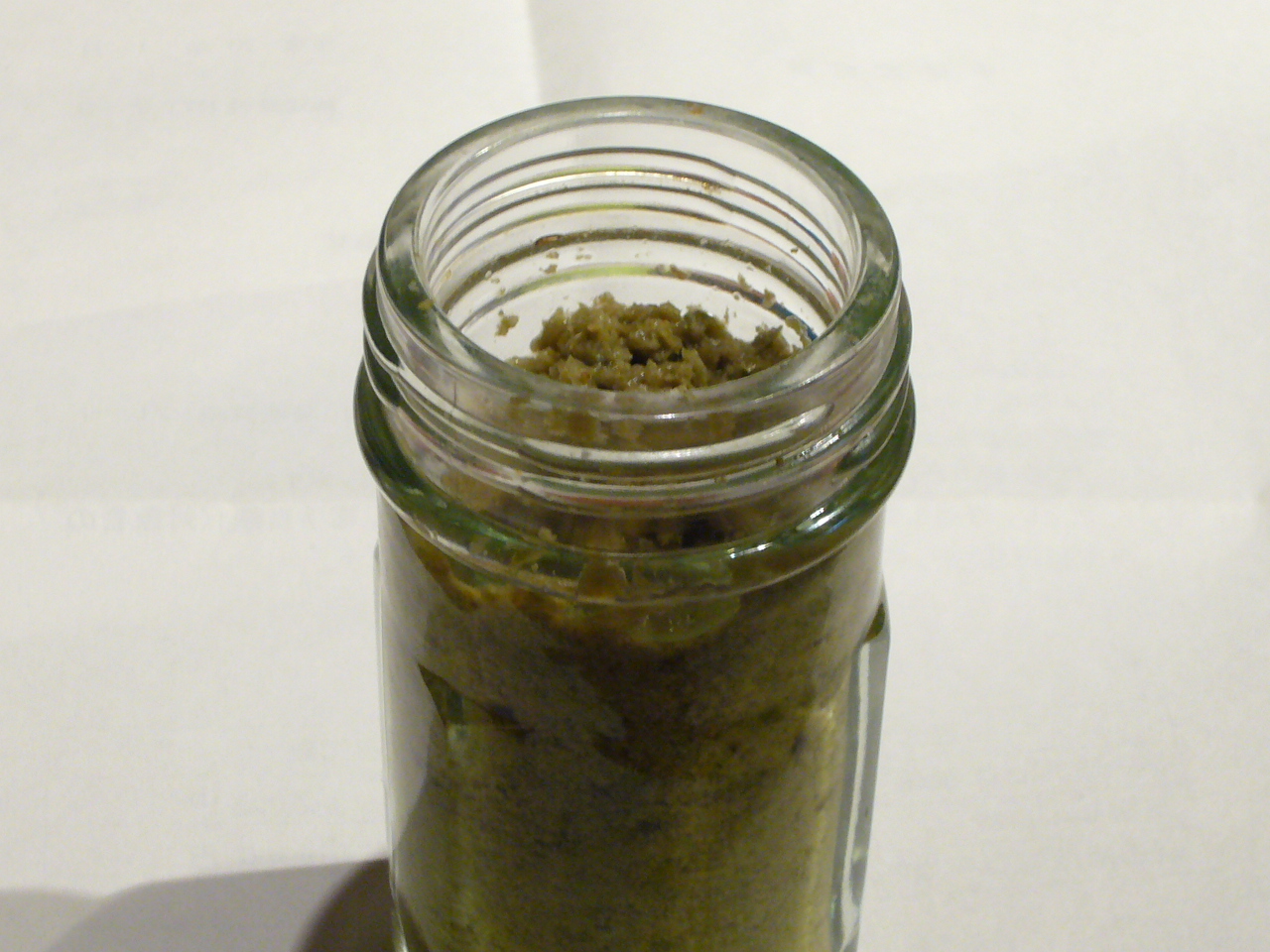 🇯🇵 JapanYuzu koshō柚子胡椒
A fermented Japanese paste of chili peppers and yuzu citrus peel.Paste · Hot and fiery · Citrus and bright
🇯🇵 JapanYuzu koshō柚子胡椒
A fermented Japanese paste of chili peppers and yuzu citrus peel.Paste · Hot and fiery · Citrus and bright
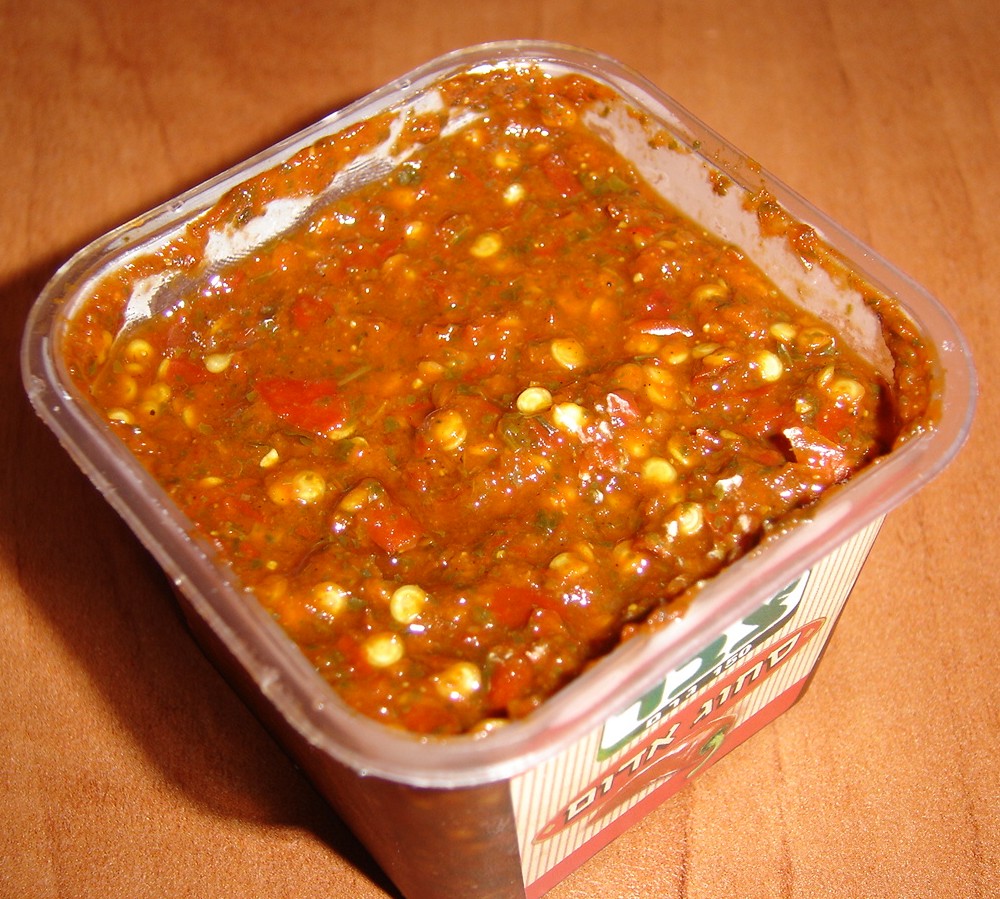 🇾🇪 Yemen and 1 moreZhugسحوق
A Yemeni hot sauce of crushed chilies, garlic, and corianderHot and fiery · Sharp and pungent
🇾🇪 Yemen and 1 moreZhugسحوق
A Yemeni hot sauce of crushed chilies, garlic, and corianderHot and fiery · Sharp and pungent