
Shishito pepper
In its own language: 獅子唐辛子 (Shishitōgarashi)
Capsicum annuum
A slender East Asian chili that is mostly mild with occasional spicy surprises.
The Shishito pepper is a thin-walled variety of Capsicum annuum grown in East Asia. It is normally mild and sweet, though about one in ten peppers can be unexpectedly hot due to environmental stress during growth.
- Named after the lion-like shape of its tip in Japanese
- About 1 in 10 peppers is unexpectedly spicy
- Heat increases in hot and dry summer conditions
- Poke a hole before cooking to prevent bursting
- Similar to the Spanish Padrón pepper
What is Shishito pepper?
This slender chili is a cultivar of the common pepper species. It grows small and finger-long with thin walls. The name comes from Japanese words for lion and chili, referring to the tip's resemblance to a lion's head. Most are harvested while green, though they turn red when fully ripe. The skin is delicate and blisters easily under heat.
Where does Shishito pepper come from?
The variety originates in East Asia and is particularly popular in Japan. It is also cultivated in Spain, where a similar pepper is used in cooking. The specific historical origins within Asia are not detailed in the available records.
What does Shishito pepper taste like?
The taste is predominantly mild and sweet. However, approximately one out of every ten to twenty peppers contains significant heat. This unpredictability is caused by environmental factors such as sunlight exposure and dry summer conditions, which encourage capsaicin formation. Even experts cannot reliably predict which individual fruit will be spicy.
How Shishito pepper is grown and processed
Plants thrive in hot and dry summer weather, which increases the likelihood of pungency. Farmers harvest the peppers while they are still green to ensure consistent mildness. The thin skin makes them prone to bursting if cooked without preparation, requiring careful handling during drying or processing.
Shishito pepper, drawn
How Shishito pepper is used
Cooking methods include broiling, pan-frying, or stewing in soy sauce and dashi. A hole is often poked in the pepper before cooking to prevent it from bursting from expanding steam. They can also be skewered and grilled. Raw consumption in salads or as a condiment is also common.
Shishito pepper in the world's kitchens
In Japan, the pepper is a staple in home cooking and restaurants. It is often paired with soy-based sauces. In Spain, a closely related variety is used in similar culinary applications, highlighting a shared appreciation for this type of thin-skinned chili across different East Asian and European traditions.
At a glance: where it turns up


Spiritual and ceremonial use
There are no known religious rituals, offerings, or spiritual practices associated with this pepper in the provided information.
Shishito pepper at celebrations
The pepper is not specifically tied to any weddings, festivals, births, funerals, or harvest celebrations in the available records.
Traditional and medicinal use
It is treated strictly as a culinary ingredient.
What to use instead of Shishito pepper
The Padrón pepper from Spain is mentioned as a similar variety used in cooking. No other direct substitutes or points of confusion are noted.
The trade in Shishito pepper
Details about trade routes, monopolies, or geographical indications are not included in the available text.
Meal
These peppers are frequently served as street food or snacks. They are often prepared as appetizers or side dishes. The blistered texture makes them suitable for casual eating settings rather than formal meals.
Questions people ask about Shishito pepper
Where does the Shishito pepper come from?
It is an East Asian variety of Capsicum annuum, primarily grown in Japan and also found in Spain.
Is the Shishito pepper hot?
Most are mild and sweet, but roughly one in ten can be surprisingly spicy due to environmental stress during growth.
How should I cook a Shishito pepper?
Poke a hole in it first to stop it from bursting, then broil, fry, or grill until the skin blisters and chars.
Good reading and sources
- Shishito on WikipediaEncyclopedia
- More photos on Wikimedia CommonsPhotos and video
- Wikidata recordOpen data
The facts on this page come from the Wikipedia article "Shishito", written by its contributors and used under the CC BY-SA 4.0 licence, and from its Wikidata record (CC0). EveryMasala rewrote the text in its own words, with AI assistance, and compares every page with the article to make sure no passage is copied. It may be reused under the same CC BY-SA 4.0 licence with a link back.
It may contain mistakes. Names, strengths and customs differ from one grower, kitchen or shop to the next. Traditional and medicinal uses are described as tradition, never as medical advice, and none of this is a substitute for a doctor. If something is wrong, tell us. Last refreshed 2026-10-04.
More from Japan
All the spices of Japan 🇯🇵 JapanKarashiからし
A potent Japanese mustard made from brown mustard seeds, served as a sharp condiment.Seed · Hot and fiery · Sharp and pungent
🇯🇵 JapanKarashiからし
A potent Japanese mustard made from brown mustard seeds, served as a sharp condiment.Seed · Hot and fiery · Sharp and pungent
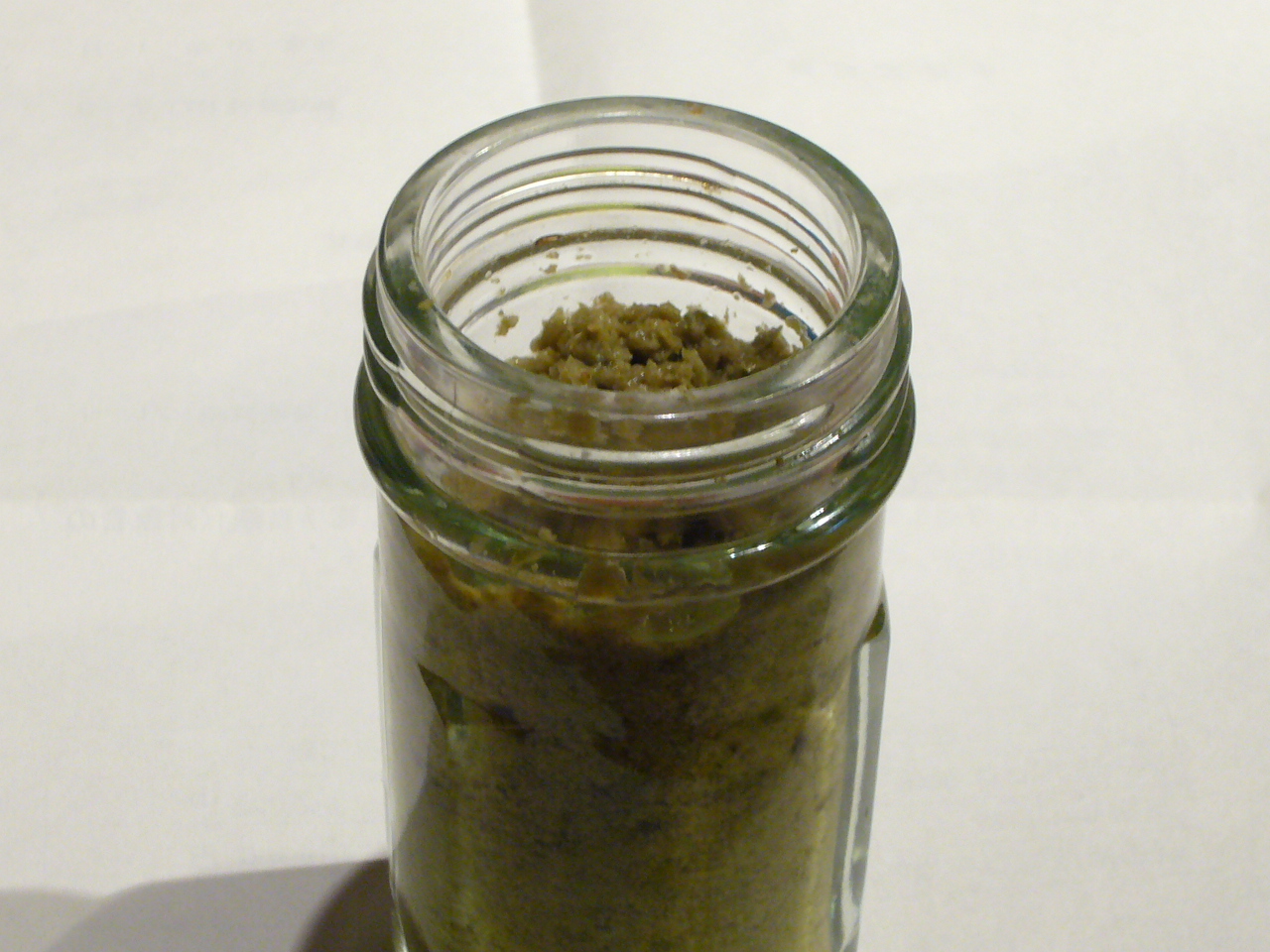 🇯🇵 JapanYuzu koshō柚子胡椒
A fermented Japanese paste of chili peppers and yuzu citrus peel.Paste · Hot and fiery · Citrus and bright
🇯🇵 JapanMoshio salt藻塩
A Japanese sea salt flavoured with dried hondawara seaweed.Seasoning · Savoury and umami
🇯🇵 JapanYuzu koshō柚子胡椒
A fermented Japanese paste of chili peppers and yuzu citrus peel.Paste · Hot and fiery · Citrus and bright
🇯🇵 JapanMoshio salt藻塩
A Japanese sea salt flavoured with dried hondawara seaweed.Seasoning · Savoury and umami
 🇨🇳 China and 5 moreSichuan pepper花椒 (huājiāo)
The dried husk of Zanthoxylum fruit, prized for its citrus scent and electric numbness.Fruit · Citrus and bright · Sharp and pungent
🇨🇳 China and 5 moreSichuan pepper花椒 (huājiāo)
The dried husk of Zanthoxylum fruit, prized for its citrus scent and electric numbness.Fruit · Citrus and bright · Sharp and pungent
Its cousins elsewhere
 🇮🇳 IndiaChammanthi podi
A dry coconut and spice condiment from Kerala that preserves fresh chutney for months.Hot and fiery · Earthy and deep
🇮🇳 IndiaChammanthi podi
A dry coconut and spice condiment from Kerala that preserves fresh chutney for months.Hot and fiery · Earthy and deep
 🇲🇽 Mexico and 5 morePaprika
A red powder made from dried Capsicum annuum peppers, used to colour and flavour dishes across Europe and the Middle EasSeed · Sweet and mellow · Hot and fiery
🇲🇽 Mexico and 5 morePaprika
A red powder made from dried Capsicum annuum peppers, used to colour and flavour dishes across Europe and the Middle EasSeed · Sweet and mellow · Hot and fiery
 🇺🇸 United StatesCarolina Reaper
A gnarled red cultivar of Capsicum chinense bred in South Carolina for extreme heat.Chilli · Hot and fiery · Sweet and mellow
🇺🇸 United StatesCarolina Reaper
A gnarled red cultivar of Capsicum chinense bred in South Carolina for extreme heat.Chilli · Hot and fiery · Sweet and mellow
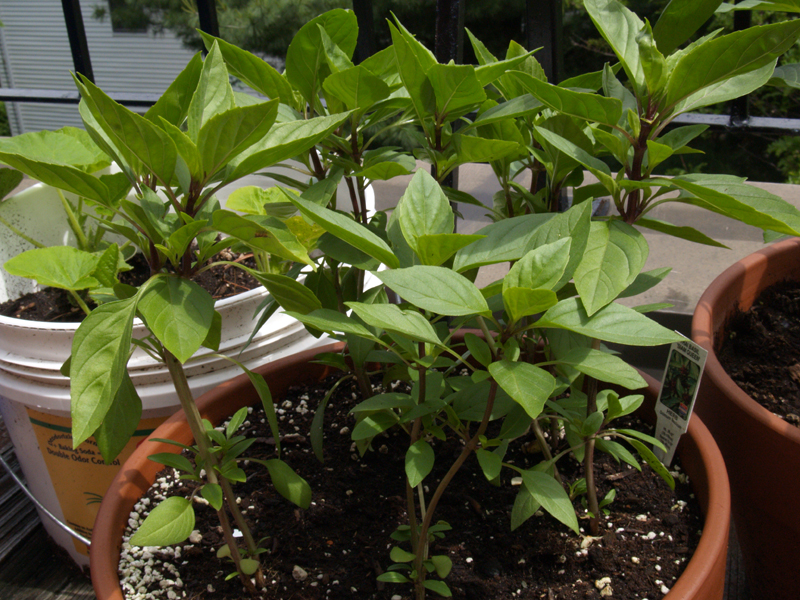 🇹🇭 Thailand and 3 moreThai basilโหระพา
A Southeast Asian herb with purple stems and anise notes, used in curries and soups.Leaf · Anise and liquorice · Hot and fiery
🇹🇭 Thailand and 3 moreThai basilโหระพา
A Southeast Asian herb with purple stems and anise notes, used in curries and soups.Leaf · Anise and liquorice · Hot and fiery