
Indian bay leaf
In its own language: तेजपत्ता
Cinnamomum tamala
The large, veined leaf of a Himalayan tree, used for its warm cassia scent in South Asian cooking.
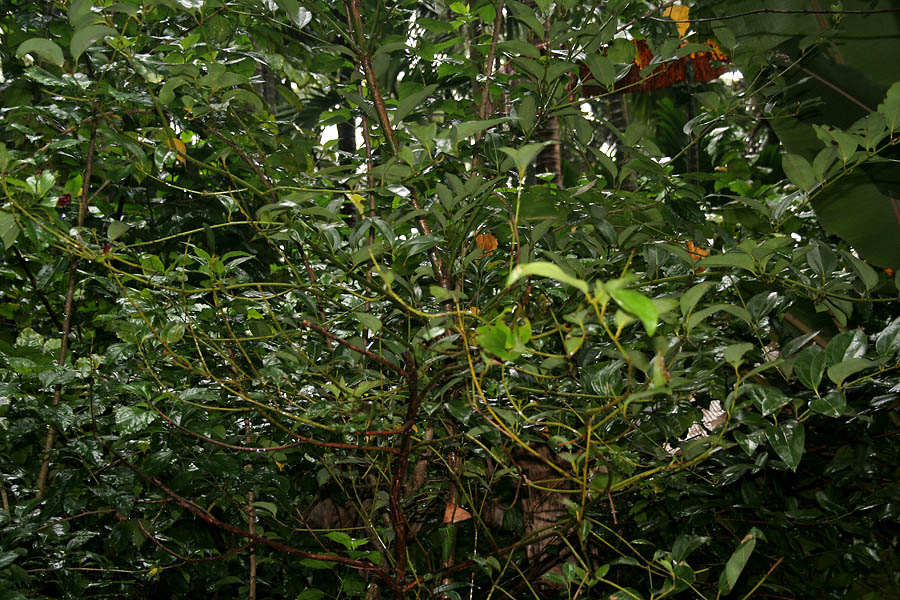
This spice is the dried leaf of Cinnamomum tamala, a tree native to northern India and surrounding regions. It offers a clove-like aroma with a peppery taste, distinct from Mediterranean bay laurel. Cooks use it whole to flavor rice dishes, sweets, and herbal teas across South Asia.
- Leaves have three veins, unlike the single vein of Mediterranean bay laurel.
- Native to northern India, Nepal, and the Himalayan foothills.
- Flavor combines clove, cinnamon, and peppery notes.
- Used in Bhutanese herbal tea and Indian biryani.
- Contains eugenol, linalool, and beta-caryophyllene.
What is Indian bay leaf?
Indian bay leaf comes from a tall tree in the Lauraceae family, reaching up to twenty meters. The leaves are long and wide, usually olive green, with three distinct veins running down their length. This sets them apart from the shorter, single-veined Mediterranean bay laurel. The spice smells strongly of cassia or cinnamon, mixed with notes of clove and a hint of pepper. Its flavor is warm and pungent, driven by compounds like eugenol and linalool. It is not related to the bay trees of Europe but shares a lineage with true cinnamon.
Where does Indian bay leaf come from?
The plant grows naturally in northern India, including Assam and the Western Himalayas. It is also found in Bangladesh, Nepal, Bhutan, Myanmar, Laos, Vietnam, and southwestern China. Ancient texts referred to these leaves as malabathrum, likely derived from the Sanskrit word for dark-tree leaves. The name Malabar links the spice to the western coast of southern India, where mountains meet the sea.
What does Indian bay leaf taste like?
The taste profile blends sweet warmth with sharp spice. Eugenol provides a clove-like depth, while beta-caryophyllene adds a peppery bite. Linalool contributes a subtle floral note. The overall impression is similar to cinnamon but more complex and less sugary. The aroma fills the kitchen quickly, releasing oils when heated in ghee or oil.
How Indian bay leaf is grown and processed
The tree thrives in the humid climates of the Himalayan foothills and northeastern regions. Leaves are harvested from mature trees and dried for use. In markets, they are often sold simply as bay leaves, which causes confusion with European varieties. Proper identification requires checking for the three central veins and the larger size compared to standard bay laurel.
Indian bay leaf, drawn
How Indian bay leaf is used
Cooking traditions in India, Nepal, and Bhutan rely on this leaf heavily. It is added whole to biryanis and pulao rice dishes to infuse a gentle cassia scent. In Kerala, it flavors traditional sweets like chakka-ada dumplings. Bhutan uses it in tsheringma, a savory herbal tea. The bark is occasionally used in cooking but is considered inferior to true cinnamon bark.
Indian bay leaf in the world's kitchens
North Indian Mughlai cuisine uses it extensively in rich meat and rice dishes. Kerala cooks incorporate it into local sweets and curries. Nepali and Bhutanese kitchens use it for both savory stews and medicinal teas. Each region values the leaf for its ability to add depth without overwhelming heat, distinguishing it from other spices in their pantries.
At a glance: where it turns up


Indian bay leaf at celebrations
No specific festivals, weddings, or harvest days are linked to this spice in the available information. It remains a staple ingredient for everyday cooking rather than a seasonal or celebratory item.
Traditional and medicinal use
Traditional medicine systems have utilized the leaves for various purposes. Extracts and oils are studied for antifungal and antioxidative properties. Historically, the leaves were valued in ancient pharmacopeias. Modern research continues to explore their bioactive compounds, though these uses remain rooted in folk practice rather than clinical advice.
Buying and storing Indian bay leaf
Store dried leaves in a cool, dark place to preserve their essential oils. Keep them away from moisture to prevent mold. Whole leaves retain their flavor longer than ground versions. Check for brittleness; fresh leaves should snap cleanly rather than crumble to dust.
What to use instead of Indian bay leaf
Cinnamon sticks or cassia bark can mimic the warm aroma, though they lack the leafy texture. Bay laurel is sometimes used as a visual substitute but offers a pine-lemon flavor that clashes with South Asian dishes. True cinnamon is the closest aromatic match, providing similar eugenol notes.
The trade in Indian bay leaf
The spice has been traded since classical times under the name malabathrum. Today, India remains the primary source, with production in Assam and the Himalayas. Regional markets in Nepal and Bhutan distribute it locally. Confusion with Mediterranean bay leaves persists in international trade, requiring clear labeling to distinguish the two botanical species.
Meal
Dinner meals feature this spice most often, particularly in rice-based dishes like biryani. It also appears in dessert preparations, such as Kerala’s jackfruit dumplings. In Bhutan, it serves as an ingredient in daily herbal teas. The leaf is typically added at the start of cooking to release its oils slowly.
Questions people ask about Indian bay leaf
Is Indian bay leaf the same as regular bay leaf?
No. Indian bay leaf comes from Cinnamomum tamala and has three veins. Regular bay leaf comes from Laurus nobilis and has one vein. They taste very different; the Indian version tastes like cinnamon and cloves.
Where does Indian bay leaf come from?
It is native to northern India, including Assam and the Western Himalayas. It also grows in Nepal, Bangladesh, Myanmar, Laos, Vietnam, and southwestern China.
What does Indian bay leaf taste like?
It tastes warm and aromatic, similar to cinnamon and cloves with a hint of black pepper. It lacks the bitter, piney flavor of Mediterranean bay leaves.
How is it used in cooking?
It is added whole to rice dishes like biryani, sweets like chakka-ada, and herbal teas. It infuses a gentle cassia flavor into dishes during slow cooking.
Good reading and sources
- Cinnamomum tamala on WikipediaEncyclopedia
- More photos on Wikimedia CommonsPhotos and video
- Wikidata recordOpen data
The facts on this page come from the Wikipedia article "Cinnamomum tamala", written by its contributors and used under the CC BY-SA 4.0 licence, and from its Wikidata record (CC0). EveryMasala rewrote the text in its own words, with AI assistance, and compares every page with the article to make sure no passage is copied. It may be reused under the same CC BY-SA 4.0 licence with a link back.
It may contain mistakes. Names, strengths and customs differ from one grower, kitchen or shop to the next. Traditional and medicinal uses are described as tradition, never as medical advice, and none of this is a substitute for a doctor. If something is wrong, tell us. Last refreshed 2026-10-04.
More from India
All the spices of India 🇮🇳 India and 4 moreFennel
The anise-scented seeds and crisp bulb of a Mediterranean perennial herbSeed · Anise and liquorice · Sweet and mellow
🇮🇳 India and 4 moreFennel
The anise-scented seeds and crisp bulb of a Mediterranean perennial herbSeed · Anise and liquorice · Sweet and mellow
 🇮🇳 India and 4 moreBasil
A tender culinary herb with glossy leaves and a licorice-like aroma, native to tropical Asia.Leaf · Anise and liquorice · Warm and sweet-spiced
🇮🇳 India and 4 moreBasil
A tender culinary herb with glossy leaves and a licorice-like aroma, native to tropical Asia.Leaf · Anise and liquorice · Warm and sweet-spiced
 🇱🇰 Sri Lanka and 5 moreCinnamon
The dried inner bark of Cinnamomum trees, prized for its sweet warmth and essential oil.Bark · Warm and sweet-spiced · Sweet and mellow
🇱🇰 Sri Lanka and 5 moreCinnamon
The dried inner bark of Cinnamomum trees, prized for its sweet warmth and essential oil.Bark · Warm and sweet-spiced · Sweet and mellow
 🇮🇷 Iran and 4 moreSaffronزعفران
The dried crimson stigmas of the autumn-blooming saffron crocus.Stigma · Sharp and pungent · Bitter
🇮🇷 Iran and 4 moreSaffronزعفران
The dried crimson stigmas of the autumn-blooming saffron crocus.Stigma · Sharp and pungent · Bitter
Its cousins elsewhere
 🇮🇩 Indonesia and 3 moreNutmeg
The dried seed of a tropical evergreen tree, prized for its warm, pungent flavor.Seed · Warm and sweet-spiced · Sweet and mellow
🇮🇩 Indonesia and 3 moreNutmeg
The dried seed of a tropical evergreen tree, prized for its warm, pungent flavor.Seed · Warm and sweet-spiced · Sweet and mellow
 🇮🇳 India and 4 moreCurry paste
A blended mixture of spices and aromatics used as the base for curries in Asia.Warm and sweet-spiced · Earthy and deep
🇮🇳 India and 4 moreCurry paste
A blended mixture of spices and aromatics used as the base for curries in Asia.Warm and sweet-spiced · Earthy and deep
 🇮🇩 Indonesia and 5 moreGreater galangalข่า
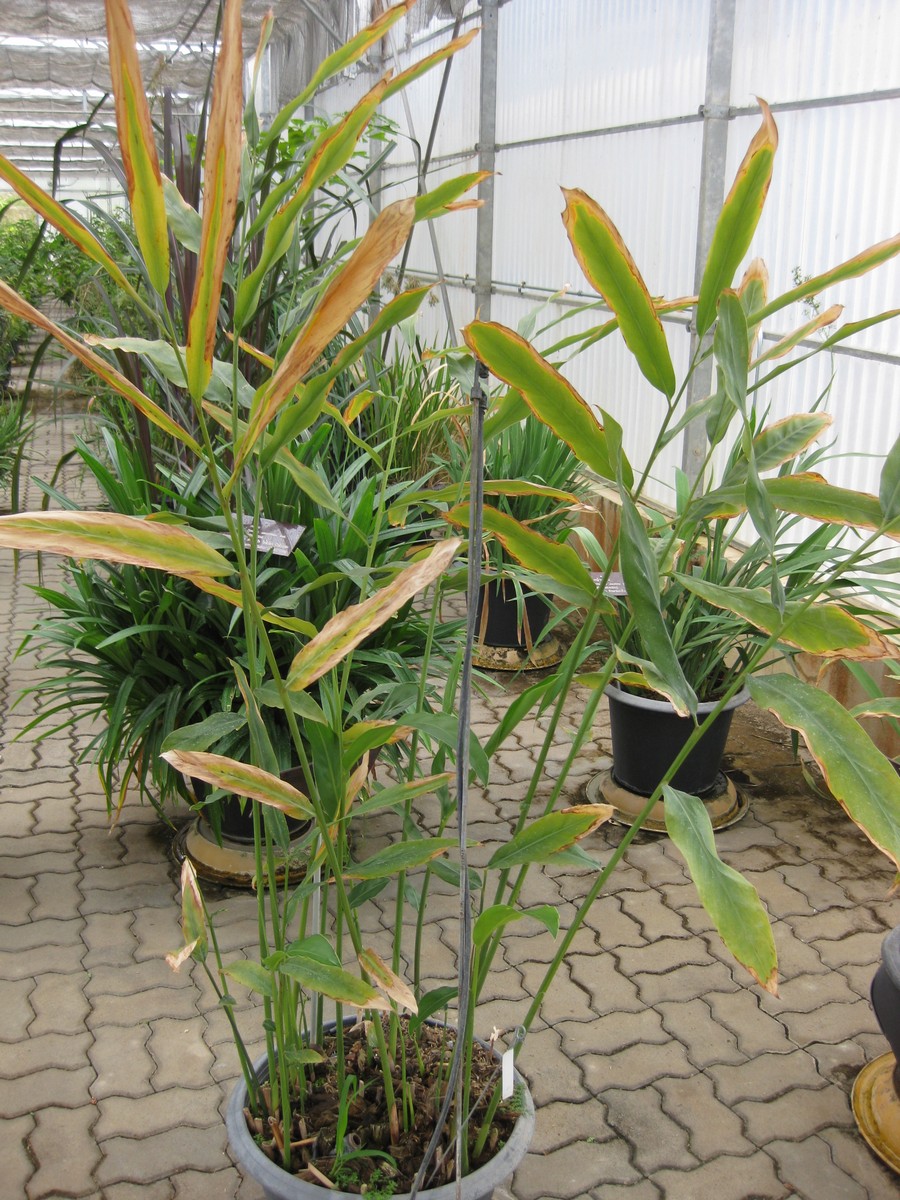
The pungent rhizome of a ginger relative, essential in Southeast Asian soups and curries.Root · Sharp and pungent · Citrus and bright
🇮🇩 Indonesia and 5 moreGreater galangalข่า
The pungent rhizome of a ginger relative, essential in Southeast Asian soups and curries.Root · Sharp and pungent · Citrus and bright
 🇲🇦 Morocco and 2 moreRas el hanoutرأس الحانوت
A complex Maghrebi spice blend meaning 'head of the shop', used in savory dishes across North Africa.Warm and sweet-spiced · Earthy and deep
🇲🇦 Morocco and 2 moreRas el hanoutرأس الحانوت
A complex Maghrebi spice blend meaning 'head of the shop', used in savory dishes across North Africa.Warm and sweet-spiced · Earthy and deep