
Garden cress
Lepidium sativum
A fast-growing edible herb with peppery leaves and seeds used in salads and traditional medicine.
Garden cress is an annual herb related to mustard and watercress. Its young leaves offer a sharp, tangy bite, while its dried seed pods provide a concentrated peppery heat for soups and stews.
- Garden cress grows in just one week.
- Seeds are called halloon in India.
- High in vitamins A, C, and K.
- Related to mustard and watercress.
- Used in Ayurvedic medicine.
What is Garden cress?
Garden cress is a quick-growing annual plant known for its sharp taste. It belongs to the same family as mustard and watercress. The plant reaches about sixty centimeters tall. Small white or pink flowers bloom on branched stems. The leaves are tender and green. They carry a distinct tangy flavor. The dried seed pods are also used. These pods pack a strong peppery punch. People call the seeds halloon in some regions. The plant is easy to grow indoors.
Where does Garden cress come from?
The name comes from Old English words for cress. It is closely linked to Indian culinary traditions. In India, it holds a place in Ayurvedic systems. The Arabic world knows it as habbat al hamra. This means red seeds in their language. The plant spreads across different climates. It thrives in slightly alkaline conditions. Growers value it for rapid development.
What does Garden cress taste like?
The leaves provide a fresh, tangy kick. This sharpness resembles mustard greens. The dried seeds add a hotter, peppery note. Cooks use them as a seasoning substitute. The taste is bright and biting. It cuts through rich dishes well. The aroma is clean and green. Raw consumption highlights the vitamin content.
How Garden cress is grown and processed
Farmers grow this crop quickly. Seeds sprout in just one week. Shoots reach harvest size in two weeks. Hydroponic systems work very well here. The plants prefer wet, alkaline water. Dried leaves do not store well. Fresh boxes of shoots sell in markets. Gardeners often grow it on damp paper. Schools use it to teach biology.
Garden cress, drawn
How Garden cress is used
Chefs add fresh leaves to salads. Sandwiches gain flavor from the greens. Soups receive a tangy boost from the herbs. The dried pods season stews and curries. In Britain, people pair it with eggs. Mayonnaise complements the sharp leaves. Sprouts appear in healthy meals. The seeds act as a pepper alternative.
Garden cress in the world's kitchens
Indian cooks use the seeds heavily. Ayurveda values the medicinal properties. British cuisine uses the fresh leaves. Sandwiches are a common vehicle. The flavors bridge different cultures. The peppery notes suit many diets. The tang works with dairy products.
At a glance: where it turns up
By meal
Spiritual use
Celebrations


Spiritual and ceremonial use
Ayurveda lists the plant as medicinal. Traditional healers use the seeds. The system views it as beneficial. No specific religious rituals involve it. It remains a practical household item. Families grow it for health benefits.
Garden cress at celebrations
No major festivals feature this spice. It appears in everyday meals. Daily cooking relies on its freshness. Markets supply it year-round. It lacks ceremonial significance. Home gardens produce it regularly.
Traditional and medicinal use
Ayurveda prescribes the seeds for health. Marathi speakers call them aleev. The plant aids digestion traditionally. No scientific doses are given here. Modern science confirms nutrient density. Vitamins A, C, and K abound. Manganese levels are particularly high.
Buying and storing Garden cress
Fresh leaves spoil quickly. Drying destroys their quality. Keep them cool and moist. Use within days of harvesting. Seed pods last longer in jars. Store away from direct sunlight. Vacuum sealing helps preservation.
What to use instead of Garden cress
Watercress offers a similar taste. Mustard greens share the pungency. Pepper provides heat but no tang. Arugula mimics the leaf texture. Radish leaves add crunch. Choose based on desired intensity.
The trade in Garden cress
Local markets drive the trade. Demand often exceeds supply. Hydroponic growers meet urban needs. Export routes remain limited. Most consumption happens locally. Regional names vary widely. Trade focuses on fresh produce.
Meal
This herb fits into daily cooking. Lunch sandwiches often feature the greens. Salads gain texture from the leaves. Snacks include fresh sprouts. Street food stalls may serve it. Breakfast dishes sometimes incorporate the seeds. It adds brightness to light meals.
Questions people ask about Garden cress
What does garden cress taste like?
The leaves have a sharp, tangy flavor similar to mustard. The dried seeds provide a stronger, peppery heat. Both parts add a bright bite to dishes.
Where does garden cress come from?
It originates in regions where Ayurveda is practiced. India and the Middle East use it heavily. The name derives from Old English roots.
How is it used in cooking?
Fresh leaves go into salads and sandwiches. Dried seeds season soups and stews. It acts as a pepper substitute in some recipes.
Can I grow garden cress at home?
Yes, it grows very quickly. Seeds sprout in days on damp paper. Hydroponic systems also work well for fresh yields.
Good reading and sources
- Garden cress on WikipediaEncyclopedia
- More photos on Wikimedia CommonsPhotos and video
- Wikidata recordOpen data
The facts on this page come from the Wikipedia article "Garden cress", written by its contributors and used under the CC BY-SA 4.0 licence, and from its Wikidata record (CC0). EveryMasala rewrote the text in its own words, with AI assistance, and compares every page with the article to make sure no passage is copied. It may be reused under the same CC BY-SA 4.0 licence with a link back.
It may contain mistakes. Names, strengths and customs differ from one grower, kitchen or shop to the next. Traditional and medicinal uses are described as tradition, never as medical advice, and none of this is a substitute for a doctor. If something is wrong, tell us. Last refreshed 2026-10-04.
More from India
All the spices of India 🇮🇳 India and 4 moreFennel
The anise-scented seeds and crisp bulb of a Mediterranean perennial herbSeed · Anise and liquorice · Sweet and mellow
🇮🇳 India and 4 moreFennel
The anise-scented seeds and crisp bulb of a Mediterranean perennial herbSeed · Anise and liquorice · Sweet and mellow
 🇮🇳 India and 4 moreBasil
A tender culinary herb with glossy leaves and a licorice-like aroma, native to tropical Asia.Leaf · Anise and liquorice · Warm and sweet-spiced
🇮🇳 India and 4 moreBasil
A tender culinary herb with glossy leaves and a licorice-like aroma, native to tropical Asia.Leaf · Anise and liquorice · Warm and sweet-spiced
 🇮🇳 India and 2 moreCardamom
Aromatic seeds from spindle-shaped pods used in sweet and savory dishes across Asia and the Middle East.Seed · Sharp and pungent · Warm and sweet-spiced
🇮🇳 India and 2 moreCardamom
Aromatic seeds from spindle-shaped pods used in sweet and savory dishes across Asia and the Middle East.Seed · Sharp and pungent · Warm and sweet-spiced
 🇮🇳 IndiaMalabar pepper
A Geographical Indication black pepper from Kerala and neighbouring regions.Seed · Sharp and pungent
🇮🇳 IndiaMalabar pepper
A Geographical Indication black pepper from Kerala and neighbouring regions.Seed · Sharp and pungent
Its cousins elsewhere
All leaf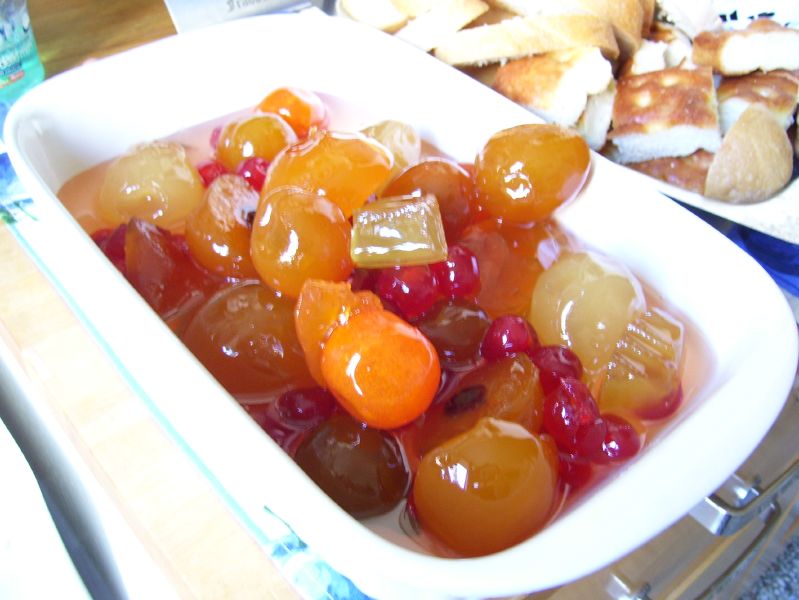 🇮🇹 ItalyMostardamostarda di frutta
A northern Italian condiment of candied fruit in a sharp mustard syrupBlend · Sweet and mellow · Sharp and pungent
🇮🇹 ItalyMostardamostarda di frutta
A northern Italian condiment of candied fruit in a sharp mustard syrupBlend · Sweet and mellow · Sharp and pungent
 🇫🇷 France and 1 moreDijon mustardMoutarde de Dijon
A sharp condiment made from brown mustard seeds and white wine or verjuice, originating in Burgundy.Sharp and pungent · Sour and tart
🇫🇷 France and 1 moreDijon mustardMoutarde de Dijon
A sharp condiment made from brown mustard seeds and white wine or verjuice, originating in Burgundy.Sharp and pungent · Sour and tart
 🇮🇹 Italy and 5 moreMustard
A pungent paste made from ground mustard seeds mixed with liquid and spices.Paste · Sharp and pungent · Hot and fiery
🇮🇹 Italy and 5 moreMustard
A pungent paste made from ground mustard seeds mixed with liquid and spices.Paste · Sharp and pungent · Hot and fiery
 🇯🇵 JapanGariガリ
Thinly sliced young ginger pickled in sweet vinegar, served with sushi.Sweet and mellow · Sour and tart
🇯🇵 JapanGariガリ
Thinly sliced young ginger pickled in sweet vinegar, served with sushi.Sweet and mellow · Sour and tart