
Creole mustard
A grainy paste of brown mustard seeds, vinegar, and horseradish from Louisiana.
Creole mustard is a coarse-ground condiment rooted in New Orleans cuisine. It combines brown mustard seeds marinated in vinegar with horseradish and spices. The result is a sharp, grainy paste used for sandwiches, seafood, and remoulade sauces.
- Brown mustard seeds are marinated in vinegar before grinding.
- Horseradish adds a sharp heat to the coarse paste.
- It is the key ingredient in New Orleans-style remoulade sauce.
- A staple condiment for po' boy sandwiches in Louisiana.
- Reflects Spanish, French, African, and German culinary influences.
What is Creole mustard?
Creole mustard is a condiment paste found in the Southeastern United States. It is made from brown mustard seeds that are marinated in vinegar, often white wine vinegar. The mixture includes horseradish and assorted spices. The seeds are packed or ground coarsely, which gives the paste its distinctive grainy texture and thick consistency.
Where does Creole mustard come from?
This condiment is a staple of New Orleans-style cuisine in Louisiana. It reflects a blend of cultural influences from Spanish, French, African, and German traditions. Its origins are tied to the culinary history of the Southeastern United States.
What does Creole mustard taste like?
The taste is defined by the sharp bite of brown mustard seeds and the heat of horseradish. Vinegar provides a sour note to balance the mixture. The coarse grinding creates a textured mouthfeel that releases flavor differently than smooth mustards.
Creole mustard, drawn
How Creole mustard is used
It serves as a versatile condiment for many dishes. It is commonly placed on po' boy sandwiches and used in remoulade sauce. Cooks use it in marinades for meats and incorporate it into seafood preparations like crab cakes and battered fish. It also works as a dipping sauce for pretzels, chips, and vegetables, or as a salad dressing base.
Creole mustard in the world's kitchens
Creole mustard is central to Creole-style and New Orleans cuisine within the Southern United States. It distinguishes local cooking by adding a unique grainy texture and robust flavor profile to regional staples like po' boys and remoulade.
At a glance: where it turns up
Celebrations
Meal
It appears across various meals, from lunch sandwiches to dinner seafood plates. It functions as a snack accompaniment when served as a dip for chips and pretzels.
Questions people ask about Creole mustard
What is Creole mustard?
It is a coarse-ground condiment paste from Louisiana made of brown mustard seeds, vinegar, and horseradish.
How does it taste?
It has a sharp, pungent flavor from the mustard and horseradish, with a sour tang from the vinegar and a grainy texture.
What is it used for?
It is used on po' boy sandwiches, in remoulade sauce, as a marinade for meats, and as a dip for seafood and snacks.
Where does it come from?
It originates in the Southeastern United States, specifically Louisiana, and is a staple of New Orleans and Creole cuisine.
Good reading and sources
The facts on this page come from the Wikipedia article "Creole mustard", written by its contributors and used under the CC BY-SA 4.0 licence, and from its Wikidata record (CC0). EveryMasala rewrote the text in its own words, with AI assistance, and compares every page with the article to make sure no passage is copied. It may be reused under the same CC BY-SA 4.0 licence with a link back.
It may contain mistakes. Names, strengths and customs differ from one grower, kitchen or shop to the next. Traditional and medicinal uses are described as tradition, never as medical advice, and none of this is a substitute for a doctor. If something is wrong, tell us. Last refreshed 2026-10-04.
More from the United States
All the spices of the United States 🇺🇸 United StatesSpicebush
The dried fruit of a North American shrub, used as an allspice substitute.Fruit · Citrus and bright · Sharp and pungent
🇺🇸 United StatesSpicebush
The dried fruit of a North American shrub, used as an allspice substitute.Fruit · Citrus and bright · Sharp and pungent
 🇺🇸 United States and 5 moreGingermint
A sterile mint hybrid grown for essential oil and chewing gum flavour.Herbal and green · Sweet and mellow
🇺🇸 United StatesHabanaga pepper
A hot New Mexican chilli born from an accidental habanero and ghost pepper crossChilli · Hot and fiery
🇺🇸 United States and 5 moreGingermint
A sterile mint hybrid grown for essential oil and chewing gum flavour.Herbal and green · Sweet and mellow
🇺🇸 United StatesHabanaga pepper
A hot New Mexican chilli born from an accidental habanero and ghost pepper crossChilli · Hot and fiery
 🇺🇸 United States and 1 moreCalifornian white sage
An aromatic desert shrub whose seeds flavour maize foods and roots make tonic teaSeed · Herbal and green · Sharp and pungent
🇺🇸 United States and 1 moreCalifornian white sage
An aromatic desert shrub whose seeds flavour maize foods and roots make tonic teaSeed · Herbal and green · Sharp and pungent
Its cousins elsewhere
All paste 🇫🇷 France and 1 moreDijon mustardMoutarde de Dijon
A sharp condiment made from brown mustard seeds and white wine or verjuice, originating in Burgundy.Sharp and pungent · Sour and tart
🇫🇷 France and 1 moreDijon mustardMoutarde de Dijon
A sharp condiment made from brown mustard seeds and white wine or verjuice, originating in Burgundy.Sharp and pungent · Sour and tart
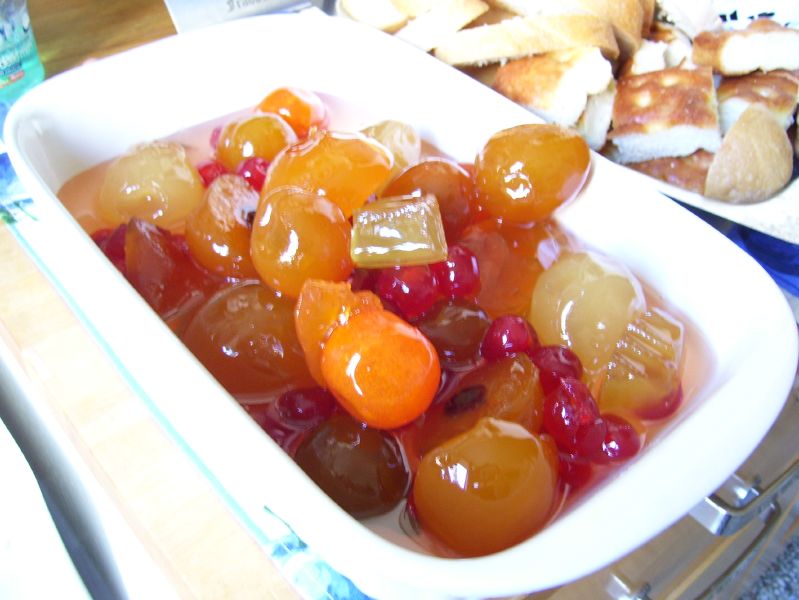 🇮🇹 ItalyMostardamostarda di frutta
A northern Italian condiment of candied fruit in a sharp mustard syrupBlend · Sweet and mellow · Sharp and pungent
🇮🇹 ItalyMostardamostarda di frutta
A northern Italian condiment of candied fruit in a sharp mustard syrupBlend · Sweet and mellow · Sharp and pungent
 🇮🇹 Italy and 5 moreMustard
A pungent paste made from ground mustard seeds mixed with liquid and spices.Paste · Sharp and pungent · Hot and fiery
🇮🇹 Italy and 5 moreMustard
A pungent paste made from ground mustard seeds mixed with liquid and spices.Paste · Sharp and pungent · Hot and fiery
 🇯🇵 JapanGariガリ
Thinly sliced young ginger pickled in sweet vinegar, served with sushi.Sweet and mellow · Sour and tart
🇯🇵 JapanGariガリ
Thinly sliced young ginger pickled in sweet vinegar, served with sushi.Sweet and mellow · Sour and tart