
Common prickly ash
Zanthoxylum americanum
An aromatic North American tree whose bark and berries give a sharp, numbing bite
Common prickly ash is a wild North American tree in the citrus family, closely related to Sichuan pepper. Its bark and dried fruit pods have an intensely bitter, tongue-numbing taste and are used to brew teas and flavour traditional botanical bitters.
- Type species of the genus Zanthoxylum, sharing the numbing profile of its relative, Sichuan pepper.
- Earned the name toothache tree because chewing its bark releases an acrid juice that numbs the mouth.
- Its fruit pods shift across ripening from green to bright red, deep blue, and finally black.
- Bark is steeped as a botanical flavouring in heritage American cocktail bitters.
What is Common prickly ash?
Common prickly ash is a cold-hardy aromatic shrub or small tree in the citrus family, Rutaceae. It grows up to ten metres tall, bearing dark green divided leaves with finely notched edges and fuzzy buds. Its small, yellow-green blossoms develop into stalked fruit capsules known as follicles. As these pods ripen on the stem, their colour progresses from green to red, deep blue, and finally black, with each pod holding dark seeds. The bark, leaves, and seed follicles contain pungent aromatic oils that impart a strong physical sensation.
Where does Common prickly ash come from?
This aromatic tree is native to North America, widespread across the eastern and midwestern United States as well as the Canadian provinces of Ontario and Quebec. Indigenous peoples throughout these territories long harvested the tree for daily practical uses before European arrival. Naturalist John Bartram recorded the species during his early botanical travels. In 1768, Scottish botanist Philip Miller formally published a description of the species under the spelling Xanthoxylum in his Gardeners Dictionary, noting that it grew wild in Maryland and Pennsylvania.
What does Common prickly ash taste like?
The flavour of prickly ash is deeply bitter, resinous, and acrid, dominated by a signature physical sensation rather than gentle sweetness. Chewing the bark, twigs, or seed pods releases an intensely sharp juice that produces a lingering numbing tingle over the tongue and mouth. The dark green leaflets release a bitter, pungent fragrance when crushed, while the mature follicles offer concentrated essential oils that smell sharply aromatic and spicy.
How Common prickly ash is grown and processed
Reaching heights of up to ten metres with a trunk diameter of fifteen centimetres, prickly ash forms dense thickets in woodland understories and rocky terrain. The dioecious tree bears separate male and female flowers in umbrella-shaped clusters of two to twelve blossoms, showing pale yellow-green petals edged with tiny reddish hairs. In late spring and summer, the fertilized blooms develop into two-seeded follicles. Several species of swallowtail butterflies, including the giant, Thoas, and spicebush swallowtails, rely on its foliage as food for their growing larvae.
Common prickly ash, drawn
How Common prickly ash is used
While the wood itself has little commercial timber value, the aromatic bark and dried fruit pods have distinct culinary and beverage applications. The bark is steeped as a bittering botanical in specialty spirits, such as historic American bitters revived from eighteenth-century recipes. In home brewing and herbal traditions, the dried seed follicles are simmered into sharp, warming teas. The aromatic oils extracted from the bark and fruit are also utilized for their strong fragrance and protective properties.
At a glance: where it turns up


Traditional and medicinal use
Indigenous peoples and early settlers chewed the raw bark and fruits to relieve tooth pain, relying on the plant's numbing juice. In traditional North American herbal medicine, bark and berry extracts were taken as digestive aids for indigestion and stomach complaints, or used as stimulants. Folk traditions also applied preparations for joint stiffness, skin ailments, fevers, and sore throats, while teas made from the follicles were used to encourage fluid excretion.
What to use instead of Common prickly ash
Prickly ash is the northern cousin of Asian Sichuan peppers, belonging to the same genus and providing a comparable tongue-tingling sensation. In historical herbal practice, it is often interchanged with southern prickly ash (Zanthoxylum clava-herculis), which contains similar aromatic oils in its bark and follicles, or the rare regional taxon known as Shinners' tickletongue.
Meal
Prickly ash enters dining primarily through drinks and tonics. Drops of bitters crafted with its infused bark lend aromatic depth, bitterness, and woodsy notes to aperitifs and mixed drinks. When dried, the ripe fruit follicles can be steeped in hot water to create a pungent herbal infusion or restorative tea taken between meals.
Questions people ask about Common prickly ash
What is prickly ash?
Prickly ash is a cold-hardy, aromatic small tree in the citrus family native to North America. It produces bitter, fragrant leaves and clusters of seed pods that yield essential oils.
What does prickly ash taste like?
It has an acrid, intensely bitter, and aromatic flavor that creates a pronounced tingling, numbing sensation across the tongue and mouth when chewed or infused.
How is prickly ash used in drinks and cooking?
Its dried bark is infused as a bitter botanical in specialty cocktail bitters, while the dried seed follicles can be brewed in boiling water to make a pungent herbal tea.
Good reading and sources
- Zanthoxylum americanum on WikipediaEncyclopedia
- More photos on Wikimedia CommonsPhotos and video
- Wikidata recordOpen data
The facts on this page come from the Wikipedia article "Zanthoxylum americanum", written by its contributors and used under the CC BY-SA 4.0 licence, and from its Wikidata record (CC0). EveryMasala rewrote the text in its own words, with AI assistance, and compares every page with the article to make sure no passage is copied. It may be reused under the same CC BY-SA 4.0 licence with a link back.
It may contain mistakes. Names, strengths and customs differ from one grower, kitchen or shop to the next. Traditional and medicinal uses are described as tradition, never as medical advice, and none of this is a substitute for a doctor. If something is wrong, tell us. Last refreshed 2026-10-04.
More from the United States
All the spices of the United States 🇺🇸 United StatesSpicebush
The dried fruit of a North American shrub, used as an allspice substitute.Fruit · Citrus and bright · Sharp and pungent
🇺🇸 United StatesSpicebush
The dried fruit of a North American shrub, used as an allspice substitute.Fruit · Citrus and bright · Sharp and pungent
 🇺🇸 United States and 4 moreSassafras
An aromatic tree of North America and East Asia, famed for filé powder and root teaLeaf · Citrus and bright · Anise and liquorice
🇺🇸 United StatesHabanaga pepper
A hot New Mexican chilli born from an accidental habanero and ghost pepper crossChilli · Hot and fiery
🇺🇸 United States and 4 moreSassafras
An aromatic tree of North America and East Asia, famed for filé powder and root teaLeaf · Citrus and bright · Anise and liquorice
🇺🇸 United StatesHabanaga pepper
A hot New Mexican chilli born from an accidental habanero and ghost pepper crossChilli · Hot and fiery
 🇺🇸 United States and 5 moreGingermint
A sterile mint hybrid grown for essential oil and chewing gum flavour.Herbal and green · Sweet and mellow
🇺🇸 United States and 5 moreGingermint
A sterile mint hybrid grown for essential oil and chewing gum flavour.Herbal and green · Sweet and mellow
Its cousins elsewhere
All bark 🇬🇷 Greece and 4 moreParsley
A bright green herb from the celery family, used fresh across Europe and the Middle East.Leaf · Bitter · Herbal and green
🇬🇷 Greece and 4 moreParsley
A bright green herb from the celery family, used fresh across Europe and the Middle East.Leaf · Bitter · Herbal and green
 🇮🇷 Iran and 4 moreSaffronزعفران
The dried crimson stigmas of the autumn-blooming saffron crocus.Stigma · Sharp and pungent · Bitter
🇮🇷 Iran and 4 moreSaffronزعفران
The dried crimson stigmas of the autumn-blooming saffron crocus.Stigma · Sharp and pungent · Bitter
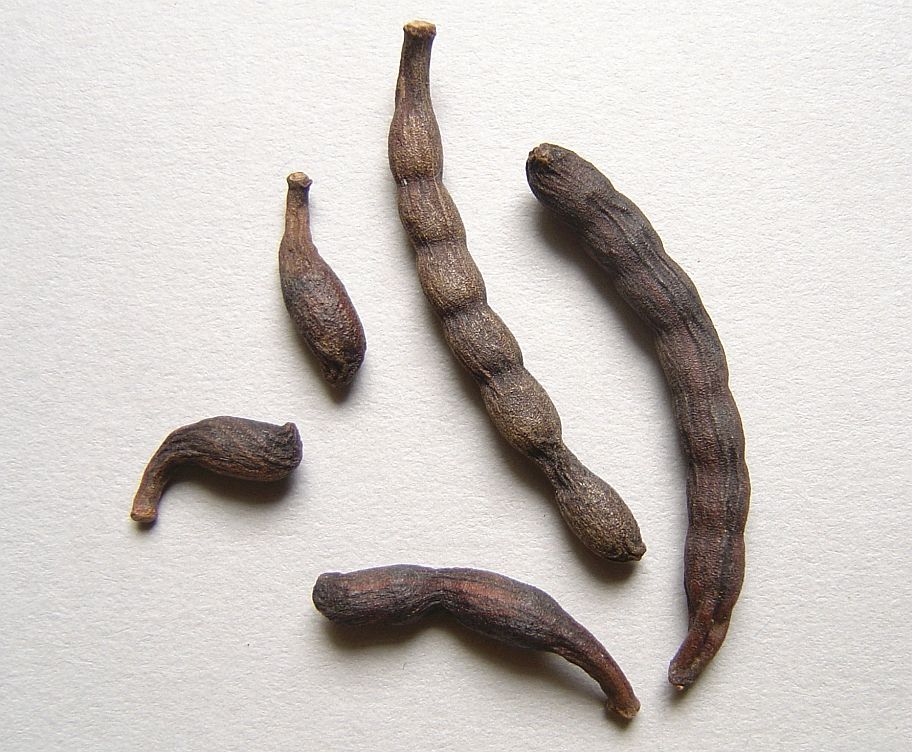 🇬🇭 Ghana and 5 moreGrains of Selimdiarr
The dried fruit of a West African shrub, used as a peppery spice and coffee flavouring.Fruit · Sharp and pungent · Bitter
🇬🇭 Ghana and 5 moreGrains of Selimdiarr
The dried fruit of a West African shrub, used as a peppery spice and coffee flavouring.Fruit · Sharp and pungent · Bitter
 🇬🇷 Greece and 1 moreMasticΜαστίχα
A bitter-sweet resin from the mastic tree, used in desserts and traditional medicine.Bitter · Sharp and pungent
🇬🇷 Greece and 1 moreMasticΜαστίχα
A bitter-sweet resin from the mastic tree, used in desserts and traditional medicine.Bitter · Sharp and pungent